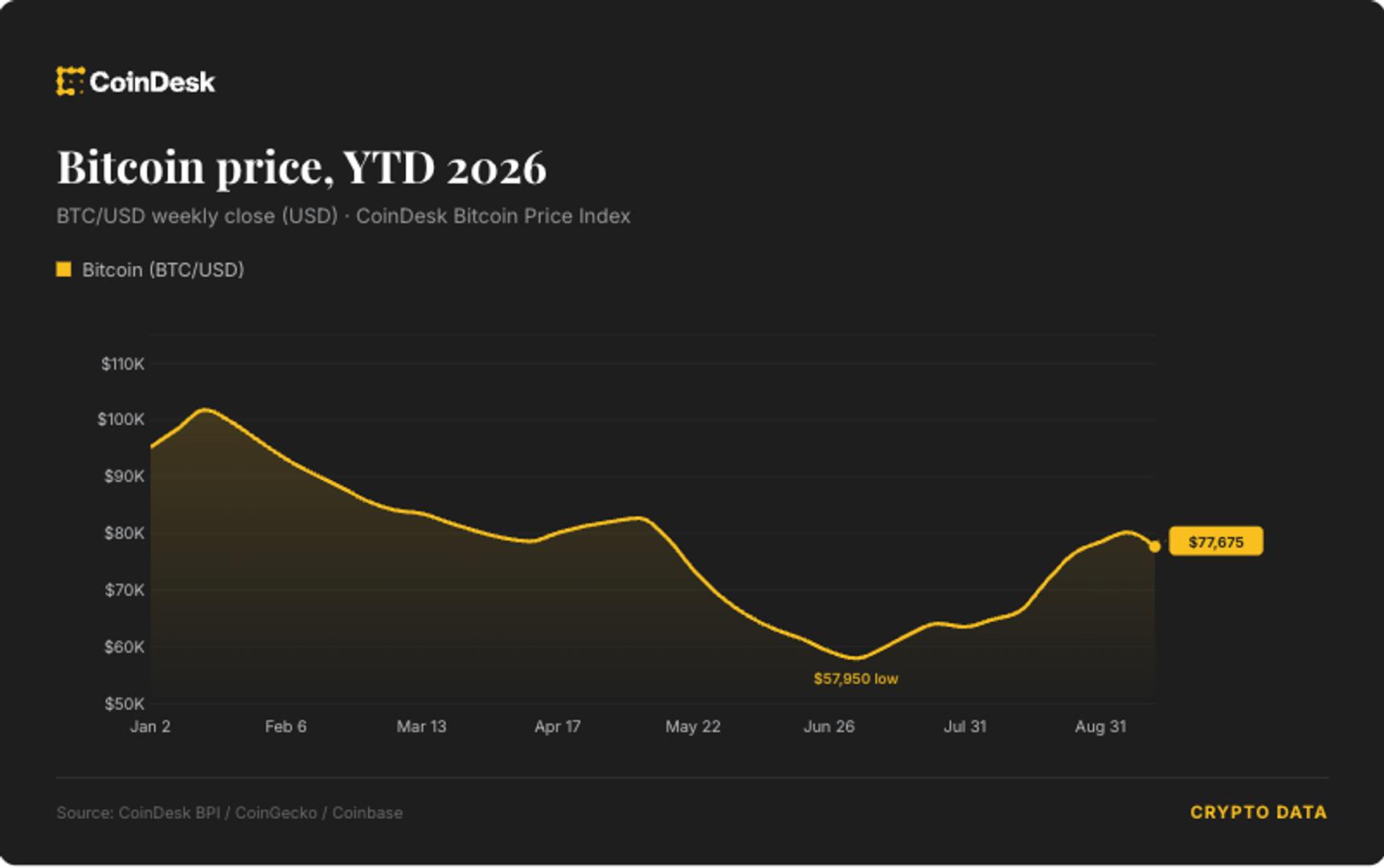
Bitcoin hit the $77,000 milestone today, successfully decoupling from the Nasdaq as technology stocks faced heavy selling pressure. The primary catalyst for this market divergence was a series of high-profile calls from international regulators and industry leaders to pause or slow down AI development due to escalating safety concerns. While tech giants saw their valuations dip, Bitcoin attracted capital from investors looking for decentralized alternatives to centralized tech growth.
The broader equity market was further strained by rising oil prices, which typically dampen the appetite for high-valuation growth stocks. However, Bitcoin benefited from this macro instability, as traders increasingly view the digital asset as a non-correlated hedge. Unlike the semiconductor and generative AI industries, which are currently facing specific regulatory hurdles, Bitcoin’s decentralized nature allows it to bypass the immediate impact of regional AI safety mandates.
This shift in sentiment reflects a pivotal moment in 2026, where "AI safety" has moved from a theoretical debate to a tangible market risk influencing stock valuations. As governments discuss strict oversight frameworks for large-scale autonomous systems, capital is flowing into the crypto market where protocols are resistant to the same types of centralized development pauses. This movement suggests that Bitcoin is reclaiming its status as "digital gold" rather than acting merely as a high-beta tech asset.
Moving forward, market participants should watch the correlation between the Nasdaq 100 and BTC closely. If AI safety legislation moves toward formal international treaties, Bitcoin’s current $77,000 support level may serve as a launchpad for a rally toward $80,000. However, investors must also monitor oil-driven inflation, which could eventually prompt Federal Reserve action that impacts overall market liquidity.