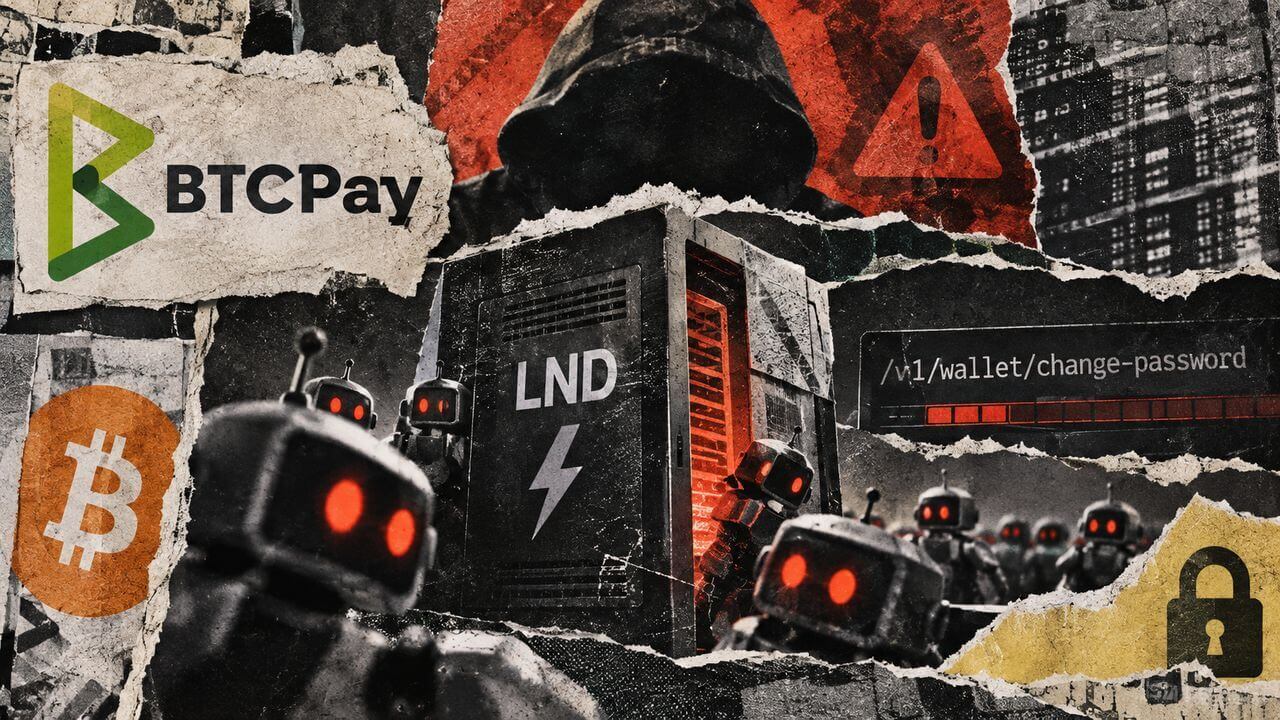
To secure your Bitcoin payment server against the latest wave of automated attacks, you should immediately update your software to version 2.4.4, which specifically patches a standard public path that malicious bots are currently probing to steal master administrative keys. These bots are scanning the internet for exposed APIs in self-hosted payment gateways, seeking to gain full control over merchant servers and potentially compromise linked wallets. If you are using a self-custodied solution like BTCPay Server, this update is critical to preventing unauthorized access to your private infrastructure.
The surge in bot activity observed in early 2026 highlights a growing trend of attackers targeting the 'middleware' of the crypto economy—the tools that allow merchants to accept Bitcoin directly without intermediaries. Cybersecurity reports indicate that these probes are highly sophisticated, focusing on misconfigured API permissions that bypass standard authentication. While the version 2.4.4 update provides a necessary fix for the standard installation path, it cannot account for instances where administrators have manually opened ports or overridden security settings for custom integrations.
From a regulatory and technical standpoint, this incident underscores the responsibilities that come with decentralized payment processing. As US-based merchants increasingly adopt non-custodial payment rails to avoid the high fees of traditional processors, they become primary targets for global cybercrime syndicates. The 2026 threat landscape suggests that 'set and forget' deployments are no longer viable; active server management and frequent security hardening are now essential for any business operating on the Bitcoin network.
Looking ahead, market participants should watch for further hardening of open-source payment protocols and potential insurance requirements for merchants who self-host their payment stacks. While this is not a vulnerability in the Bitcoin protocol itself, the security of the surrounding ecosystem is vital for Bitcoin's continued growth as a medium of exchange. Merchants are advised to not only update their software but also to restrict API access to specific whitelisted IP addresses to mitigate the risk of future probes.