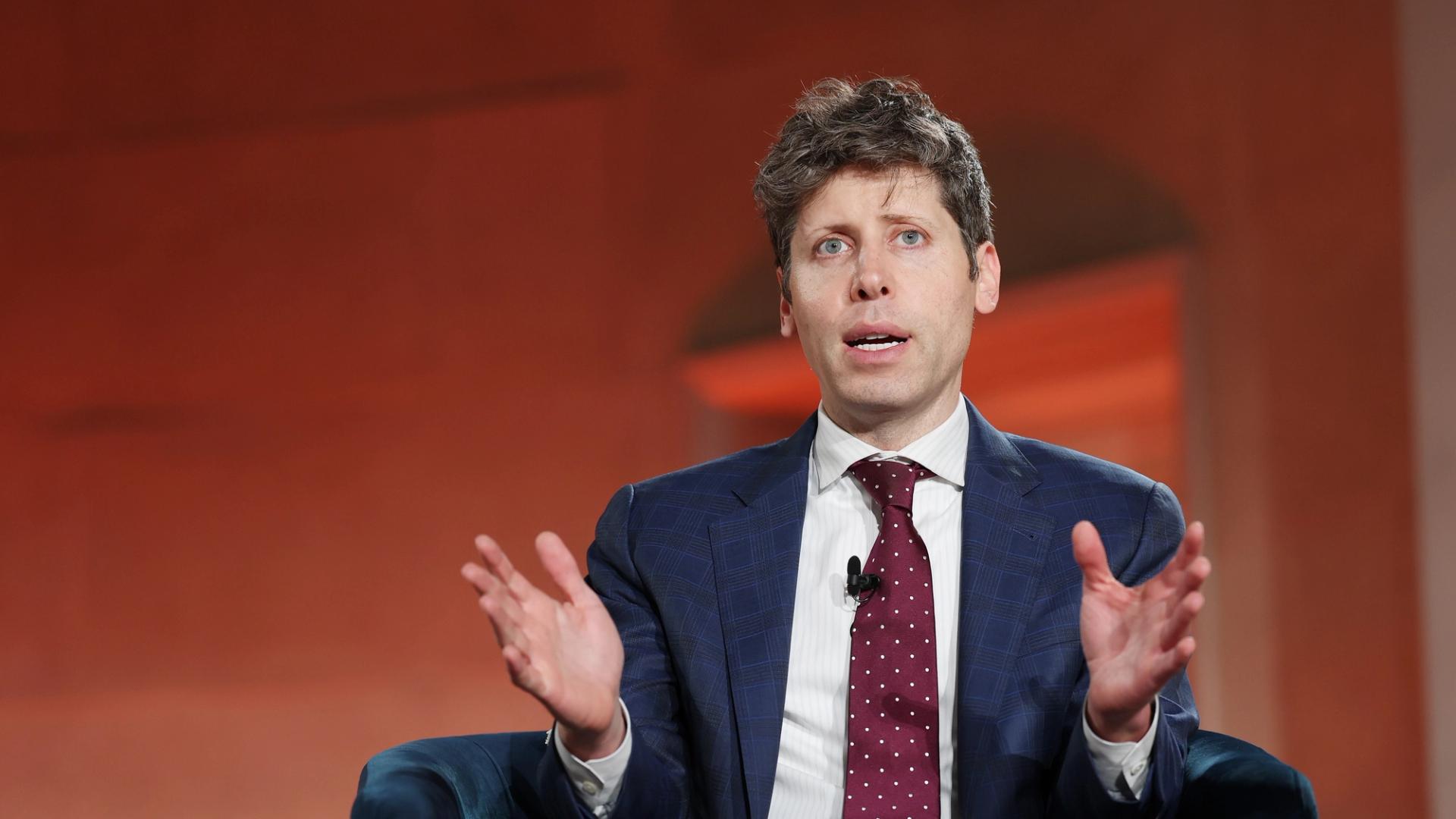
OpenAI CEO Sam Altman has confirmed that the company will not pursue an Initial Public Offering (IPO) in 2026, citing the critical need to prioritize safety over market expansion. Speaking to Fortune, Altman noted that the current climate surrounding AI development and safety protocols makes a public transition premature. By remaining private, OpenAI avoids the quarterly performance pressures that could lead to rushed and potentially unsafe deployments of advanced artificial intelligence models.
This decision comes as the U.S. government ramps up its oversight of the AI sector throughout 2026, with the White House pushing for more rigorous testing of frontier models. Altman’s cautious approach reflects a broader industry trend where major tech entities are choosing to navigate evolving regulatory frameworks away from the volatility of the Nasdaq. For OpenAI, staying private allows the board to maintain a focus on its mission of developing safe Artificial General Intelligence (AGI) without interference from public shareholders focused on immediate ROI.
The implications for the cryptocurrency market are significant, as AI-themed tokens often trade in correlation with major milestones from traditional AI leaders. Projects such as Worldcoin (WLD), which is closely associated with Altman, typically see increased volatility following OpenAI announcements. The lack of an IPO in 2026 may cool speculative fervor in the decentralized AI sector, as investors who were anticipating an "AI market supercycle" triggered by an OpenAI listing may now look for alternative growth catalysts.
Investors should keep a close watch on the U.S. Department of Commerce's upcoming safety reports and how they might influence OpenAI’s internal roadmap. Furthermore, the focus now shifts to decentralized AI protocols like the Artificial Superintelligence Alliance (FET), which may benefit from liquidity moving toward projects that offer transparent, community-governed alternatives to the closed-door development model favored by Altman. Any further updates on OpenAI's safety benchmarks later this year will likely dictate the price action for the AI-crypto crossover market.