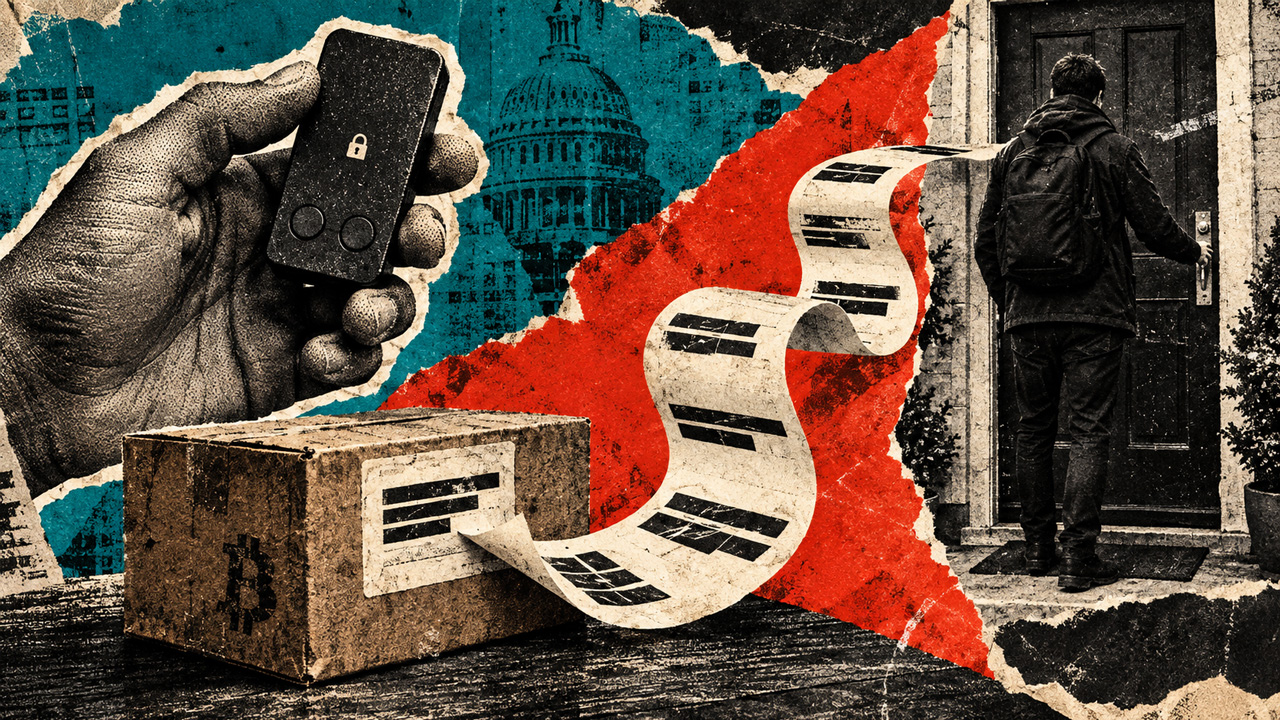
US crypto investors can mitigate physical doxxing risks by employing 'Privacy-Preserving Procurement' strategies, such as shipping devices to a commercial pickup point or a PO Box rather than a residential address. While hardware wallets are the gold standard for protecting private keys from digital theft, the logistical metadata—your name, phone number, and street address—remains a permanent record in a manufacturer's database. If this information is leaked, it provides a 'heat map' for criminals to identify high-value targets for physical home invasions or targeted mail-based phishing scams.
This security concern has intensified in early 2026 as automated scrapers for leaked customer databases become more sophisticated. The 'shipping label vulnerability' highlights a paradox in the industry: to gain financial sovereignty through a hardware wallet, users often provide the very information that compromises their physical safety. Recent incidents have shown that even reputable manufacturers can fall victim to third-party marketing database leaks, exposing thousands of customers' home locations to the dark web.
From a regulatory standpoint, the lack of a federal data privacy law in the United States leaves the burden of security on the individual. While some states like California offer stronger data deletion rights, the initial shipping record often persists in courier logs (such as FedEx or UPS) regardless of the manufacturer's internal policies. This has led to a growing movement among US Bitcoin holders to purchase devices in person at retail electronics stores using cash or privacy-coins, thereby breaking the digital and physical paper trail entirely.
For major assets like Bitcoin (BTC) and Ethereum (ETH), this focus on 'OpSec' (Operational Security) signals a shift toward more professionalized self-custody habits. As we move further into 2026, market participants should watch for hardware providers that implement 'zero-knowledge' shipping options or ephemeral data retention policies that purge customer details immediately after delivery confirmation. For now, the safest path for US buyers remains the use of a non-residential address for all hardware-related deliveries.