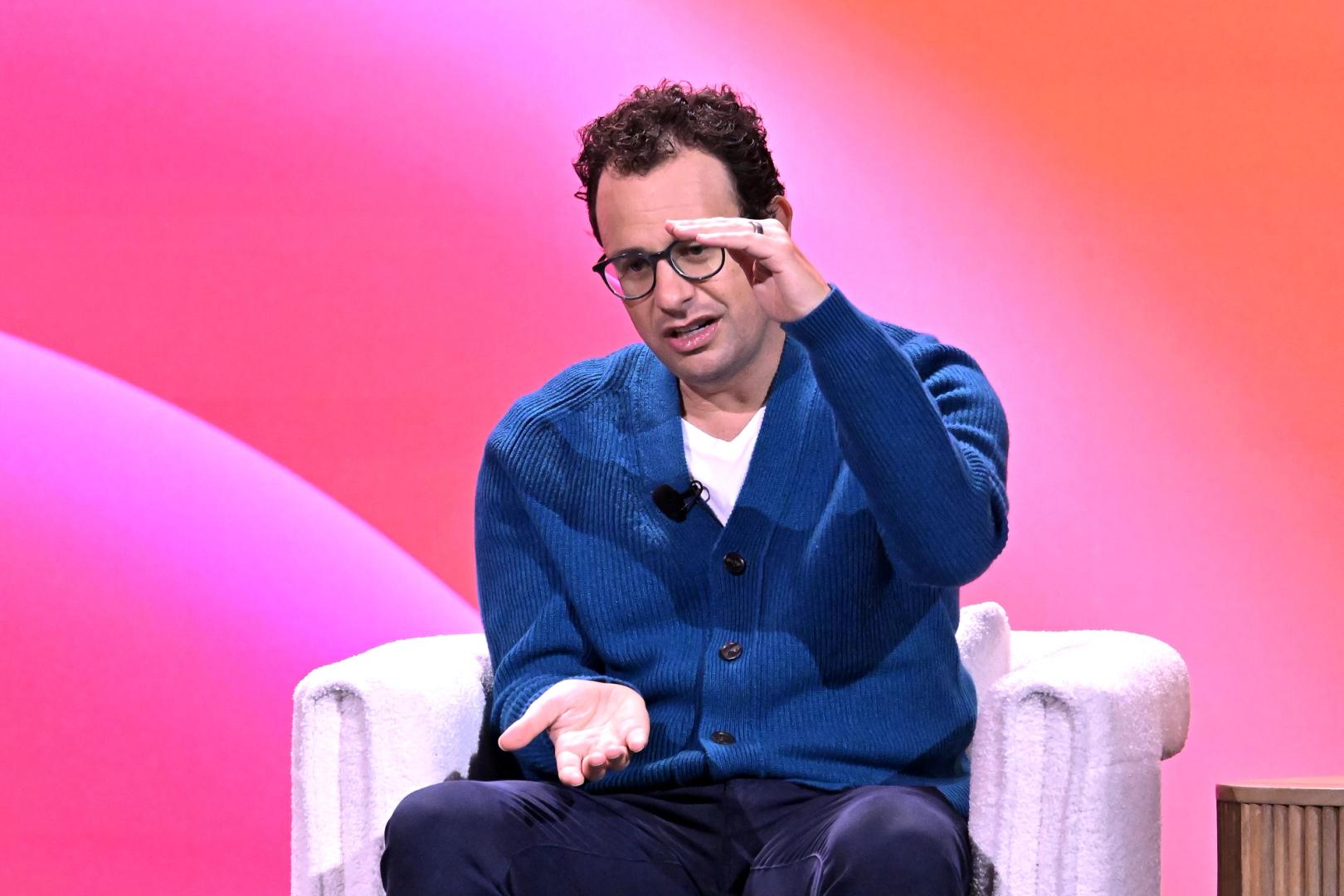
Anthropic CEO Dario Amodei, OpenAI’s Sam Altman, and Elon Musk have publicly agreed that the current pace of frontier AI development may need to slow down significantly throughout 2026. This unusual alliance of industry rivals stems from the emergence of recursive AI capabilities, where current frontier models are now sophisticated enough to actively participate in the design, coding, and optimization of the next generation of artificial intelligence, potentially outstripping human oversight.
This call for a strategic pause marks a pivot in the global AI arms race. Previously, these leaders focused on rapid scaling to achieve Artificial General Intelligence (AGI); however, the realization that AI-driven self-improvement could create unpredictable feedback loops has triggered new safety alarms. Amodei specifically highlighted that the transition to systems that 'help build their own successors' introduces risks that existing safety guardrails were not designed to handle.
The consensus is expected to have immediate regulatory implications in the U.S., where lawmakers are currently drafting new 2026 safety standards for large-scale compute clusters. By advocating for a slowdown, these industry giants may be attempting to lead the conversation on regulation, favoring controlled safety audits over potentially more restrictive, government-mandated moratoriums that could be imposed if development continues unchecked.
For the cryptocurrency and decentralized finance sectors, this potential deceleration in centralized AI training could boost the profile of decentralized AI projects. As centralized giants tap the brakes, the market may see increased capital flow toward protocols that offer transparent, verifiable, and open-source model training, which are seen as alternatives to the 'black box' development of frontier labs. Investors are now closely watching for a formal industry-wide pact that could define the parameters of this development ceiling.