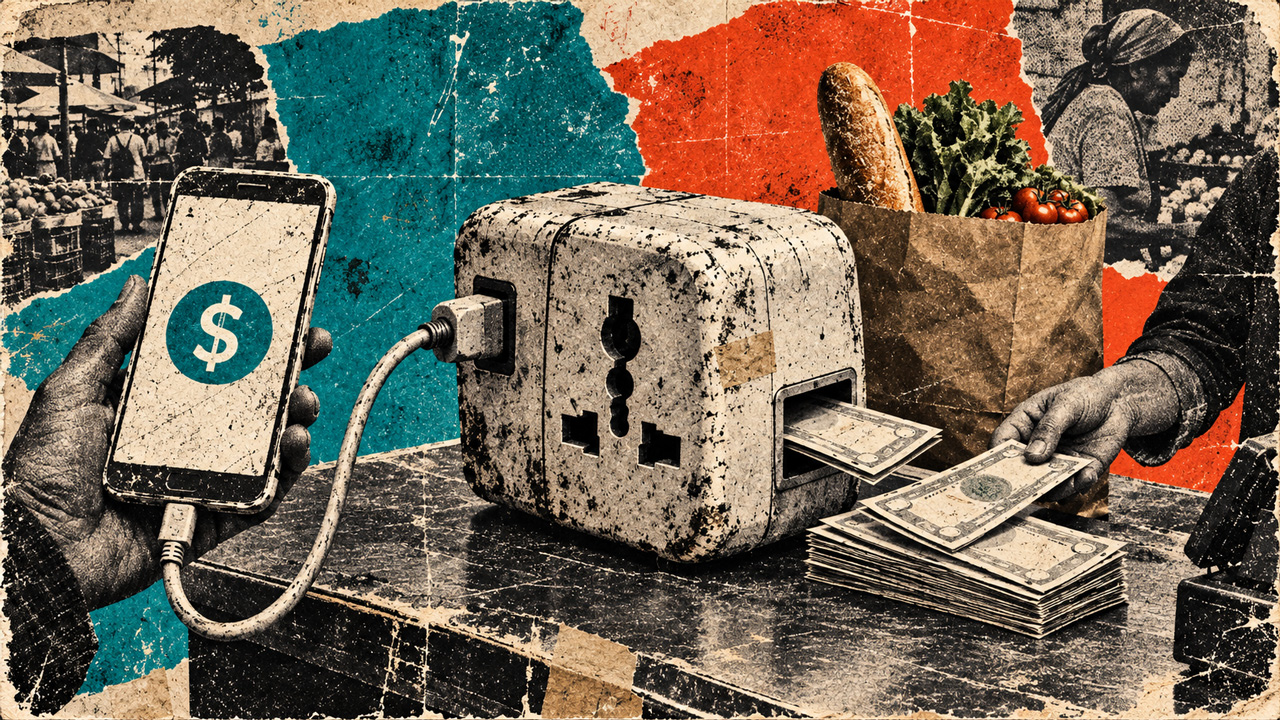
As of early 2026, the primary barrier to the mainstream use of stablecoins for cross-border remittances is the friction inherent in the 'off-ramp' process—the final stage where digital assets are converted into spendable local currency. While the sender enjoys a near-instant, low-cost transaction on the blockchain, the recipient is often left with a digital balance they cannot easily use for immediate needs like rent, groceries, or utilities. This bottleneck exists because local financial infrastructures in many high-remittance corridors have not kept pace with the speed of decentralized ledger technology.
The situation in 2026 highlights a significant disconnect between digital liquidity and physical accessibility. In many developing regions, the nearest cash collection point or bank branch capable of processing stablecoin-to-fiat conversions may be miles away, or it may charge exorbitant fees that negate the cost savings of using crypto in the first place. Furthermore, the volatility of local currencies against the USD-pegged stablecoins can create additional slippage during the conversion process, making the final amount received unpredictable for the end-user.
Regulatory hurdles also play a major role in this persistent friction. Throughout 2026, several emerging markets have introduced stricter capital controls and licensing requirements for local crypto-to-fiat brokers. These policies, aimed at protecting domestic monetary stability, have inadvertently throttled the growth of legitimate off-ramps, forcing many users back toward traditional, slower remittance providers like Western Union or MoneyGram, which maintain deep physical networks.
For the crypto market and DeFi investors, this infrastructure gap signals a shift in priorities from transaction throughput to liquidity depth and physical integration. Moving forward, readers should watch for partnerships between major stablecoin issuers and global retail chains or the development of automated teller networks designed specifically for digital assets. The ultimate success of stablecoins as a global payment tool depends less on the speed of the transfer and more on how easily a recipient can spend the funds in their own neighborhood.