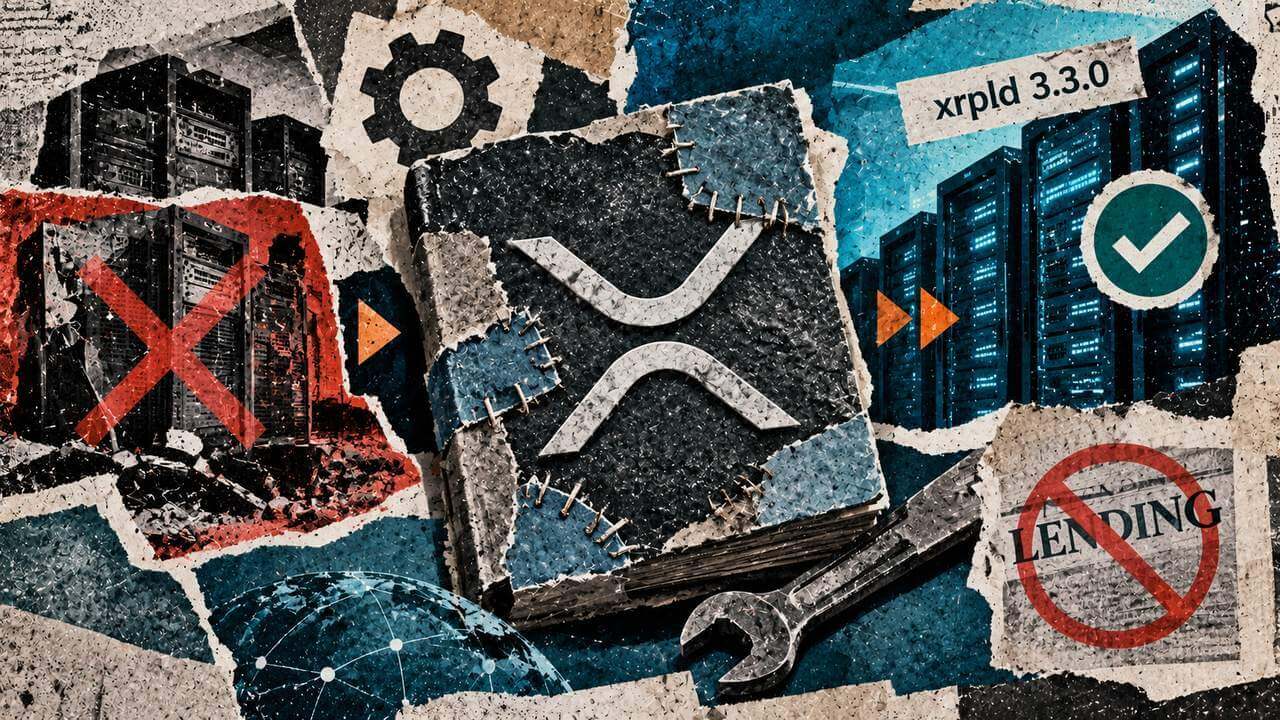
The activation of the fixCleanup3_3_0 amendment on the XRP Ledger (XRPL) serves as the primary infrastructure cleanup required to support the network's upcoming native lending protocol. By refining code paths for Automated Market Makers (AMM), vaults, and pseudo-accounts, the update ensures that the ledger can handle complex credit and debt positions without conflicting with existing liquidity pool logic. This technical milestone is essential because it prepares the blockchain for the 'Lending' amendment, which will allow users to earn interest by providing liquidity to a decentralized credit market directly on-chain.
Technically, fixCleanup3_3_0 addresses specific bugs within the XRPL's 'Checks' and 'Escrow' functions that could have caused inconsistencies during high-volume lending activities. By stabilizing these core paths now, developers are mitigating the risk of state-machine errors when the full lending features are voted into production by validators. Unlike previous updates that launched user-facing features, this amendment is focused entirely on backend optimization and code hygiene, providing the architectural integrity needed for institutional-grade DeFi applications.
From a regulatory and market perspective, Ripple’s push for a native lending protocol in 2026 reflects a strategic pivot toward institutional decentralized finance (DeFi). As US regulators provide more clarity on stablecoin issuance and on-chain credit markets, the XRPL is positioning itself as a low-cost, high-throughput alternative to Ethereum for Real-World Asset (RWA) tokenization. By integrating lending directly into the protocol layer rather than relying on third-party smart contracts, the XRPL aims to offer a more secure and predictable environment for corporate treasuries.
For XRP holders and DeFi participants, the focus now shifts to the governance process. The community should watch for the formal introduction of the 'Lending' and 'DID' (Decentralized Identity) amendments, which will complete the ecosystem's transformation. Once these are activated, the XRPL will facilitate peer-to-peer lending without intermediaries, potentially increasing the demand for XRP as a bridge currency and collateral asset within these new credit markets.