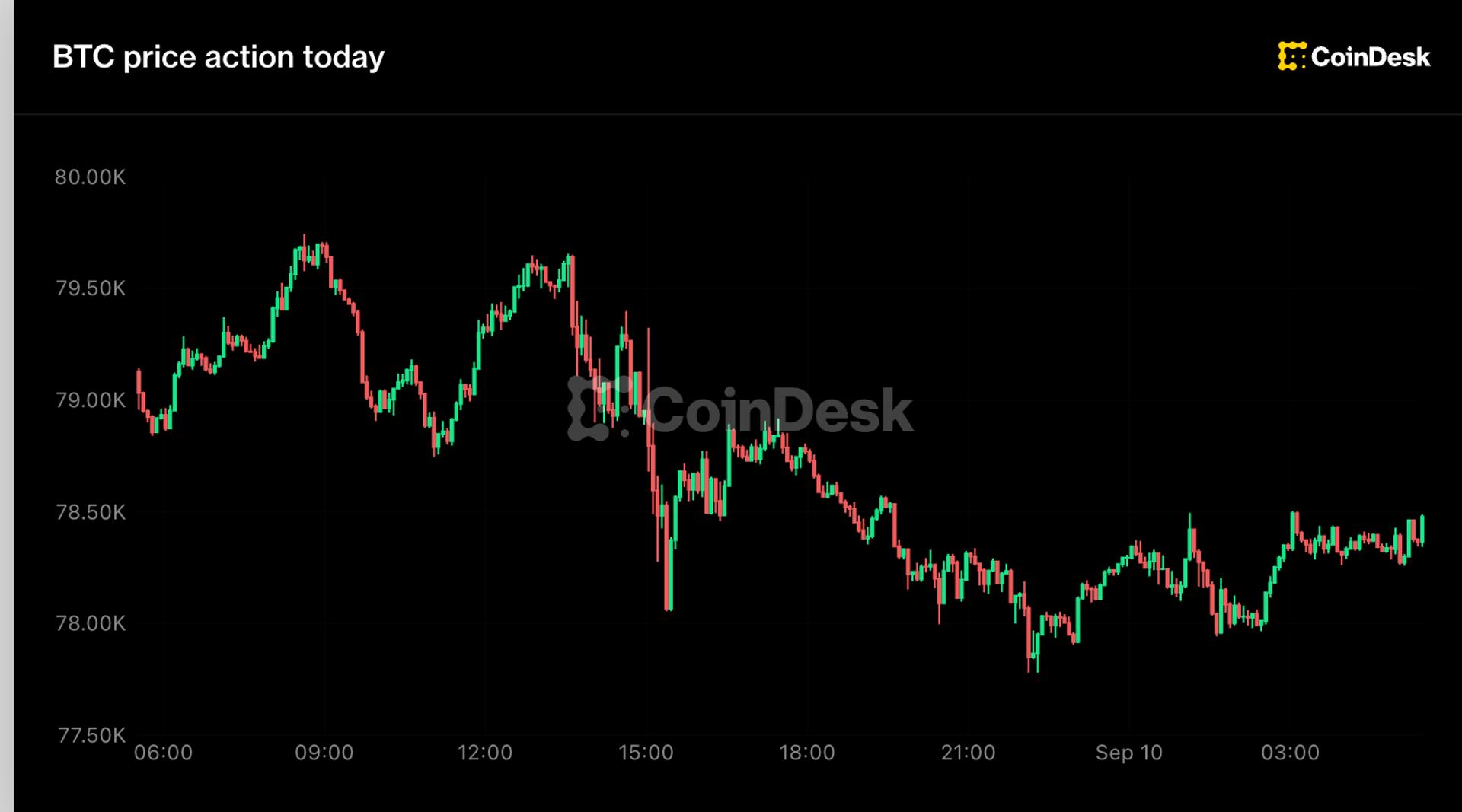
Dogecoin’s 5% decline in early 2026 is primarily driven by a surge in U.S. Treasury yields, which have reached multi-year highs. This macro shift, fueled by rising oil prices, has triggered a 'risk-off' sentiment among investors, causing volatile altcoins like DOGE, BNB, and XRP to retreat. In contrast, Bitcoin has shown significant relative strength, successfully defending the $78,000 mark despite the broader market turbulence and pressure on liquidity.
The sell-off extended across the major cap altcoin sector, with BNB falling approximately 4% and XRP dropping 3%. The primary catalyst is the energy market, where a spike in global oil prices has reignited inflationary concerns. This has led to a hawkish repricing of interest rate expectations, sending Treasury yields soaring to levels not seen since late 2023, which typically makes speculative digital assets less attractive compared to fixed-income returns.
Geopolitical tensions affecting energy supplies are creating a complex environment for the 2026 crypto market. As yields climb, the cost of capital increases, often hurting high-growth assets first. U.S. policymakers are closely monitoring these inflationary signals, and any further escalation in energy costs could influence the Federal Reserve's stance on monetary tightening, further impacting crypto market liquidity and stablecoin flows.
For investors, the current divergence between Bitcoin and the rest of the market is a critical indicator. Bitcoin’s ability to hold the $78,000 level suggests it is increasingly being positioned as a macro hedge, while altcoins remain tethered to traditional risk cycles. Market participants should keep a close watch on the 10-year Treasury yield and weekly oil inventory reports to determine if Dogecoin and other majors will find a bottom or face further downside pressure.