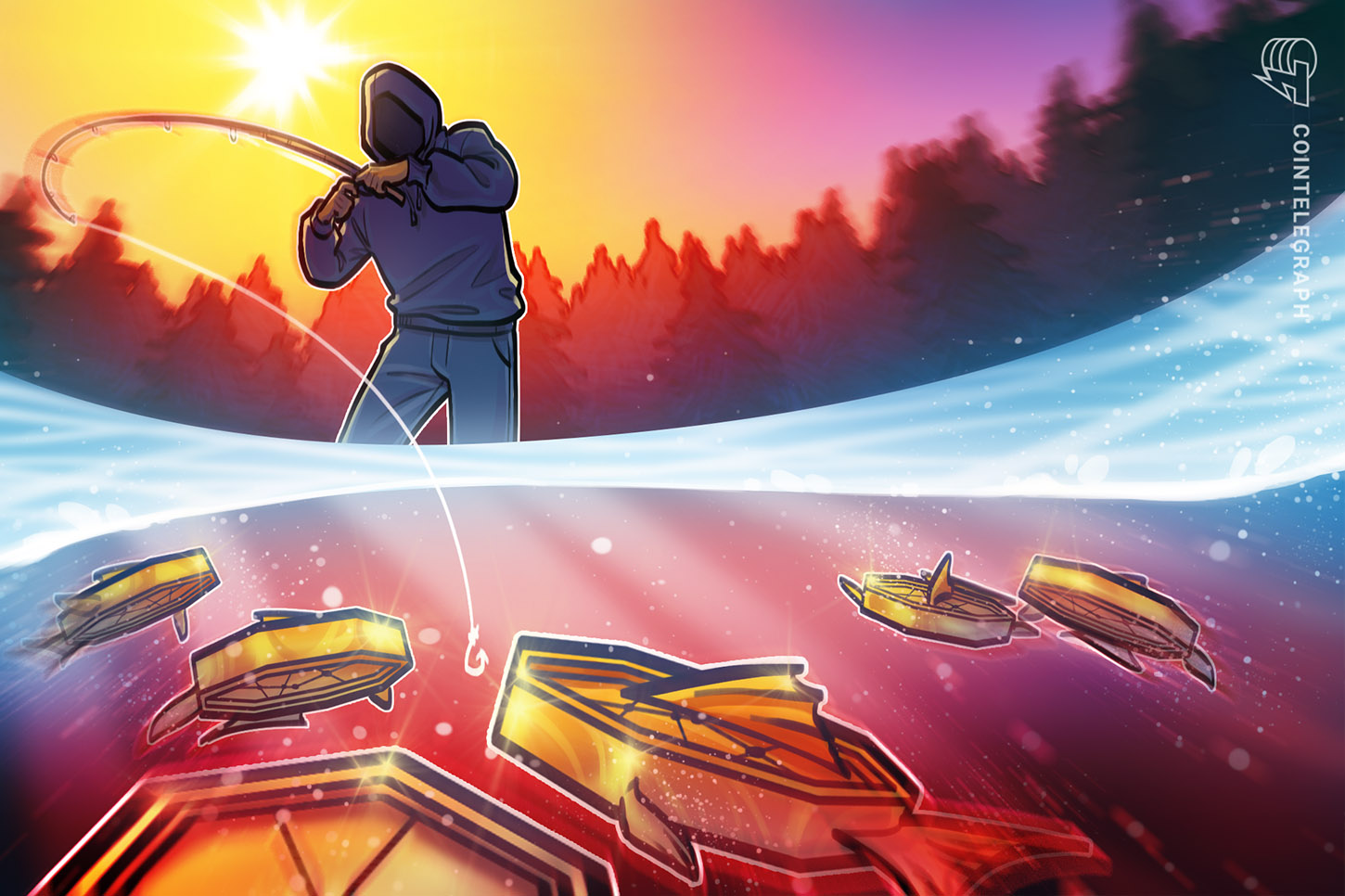
Trezor and BitBox hardware wallet users are currently facing a sophisticated phishing campaign involving fake security alerts triggered by a 2026 breach at a shared third-party newsletter provider. These fraudulent emails typically claim the user's account or device has been compromised, instructing them to click a malicious link and enter their private recovery seed to 'verify' their identity. Both companies have confirmed that their core hardware security remains intact, as the breach was limited to the contact information held by their marketing service provider.
This incident highlights the persistent risk of third-party supply chain vulnerabilities within the crypto industry. BitBox reported that several Bitcoin-focused companies were likely impacted, as the compromised service provider is widely used across the sector for distribution of product updates and newsletters. By gaining access to these mailing lists, hackers can create highly convincing messages that bypass standard spam filters and leverage the trust users have in these hardware brands.
From a regulatory standpoint, this breach is expected to draw attention from US consumer protection agencies, who are increasingly focused on how crypto service providers manage sensitive user data. As hardware wallets are the gold standard for self-custody, any perceived threat to their user base—even if external to the device itself—can lead to calls for more stringent data handling protocols for digital asset companies operating in the US.
Investors and users should watch for official statements directly on the Trezor and BitBox websites rather than relying on email communications. Security experts emphasize that a recovery seed should never be typed into any keyboard or website; it should only ever be entered directly on the hardware device itself during a recovery process. Moving forward, the industry may see a shift toward decentralized or more secure, proprietary communication methods to avoid these recurring vulnerabilities in legacy email infrastructure.