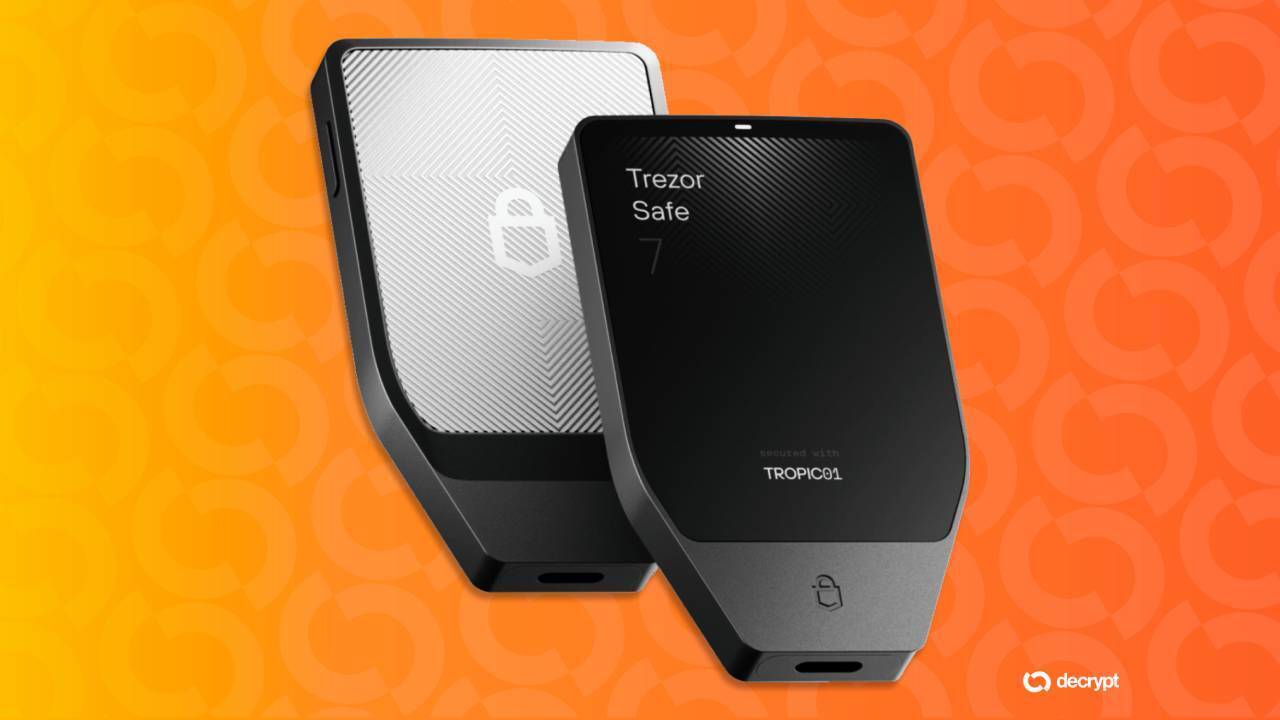
Trezor users who received an email in January 2026 warning of a critical hardware flaw are advised to ignore the message and delete it immediately. This alert is a sophisticated phishing attempt initiated after hackers successfully breached Trezor’s third-party email service provider. The fraudulent emails attempt to trick users into revealing their 12- or 24-word recovery phrases under the guise of 'securing' their devices against a non-existent technical vulnerability.
The breach highlights a persistent vulnerability in the cryptocurrency industry: the supply chain of third-party service providers. While the Trezor hardware wallets themselves remain secure and uncompromised, the leak of user email addresses from a marketing or support database allows malicious actors to target holders directly. This incident follows a series of similar supply-chain attacks in the mid-2020s that have prompted US regulators, including the SEC and FTC, to scrutinize the cybersecurity standards of hardware manufacturers and their vendors more closely.
For the broader crypto market, this event underscores the 'not your keys, not your coins' mantra, but with a modern twist: even self-custody users are at risk if they fall for social engineering. While the price of Bitcoin remains stable despite the news, the breach could lead to localized asset theft for those who interacted with the fake security portal. Security analysts suggest that hardware wallet users move away from relying on email notifications and instead check for official updates through the manufacturer’s native desktop or mobile applications.
Moving forward, Trezor users and the wider crypto community should monitor for an official post-mortem from the provider to see if any other personal data, such as physical addresses or phone numbers, was exposed. In the United States, this breach may reignite legislative discussions regarding the Data Privacy Act, specifically focusing on how crypto-adjacent firms handle sensitive user information in an era of increasing digital asset adoption.