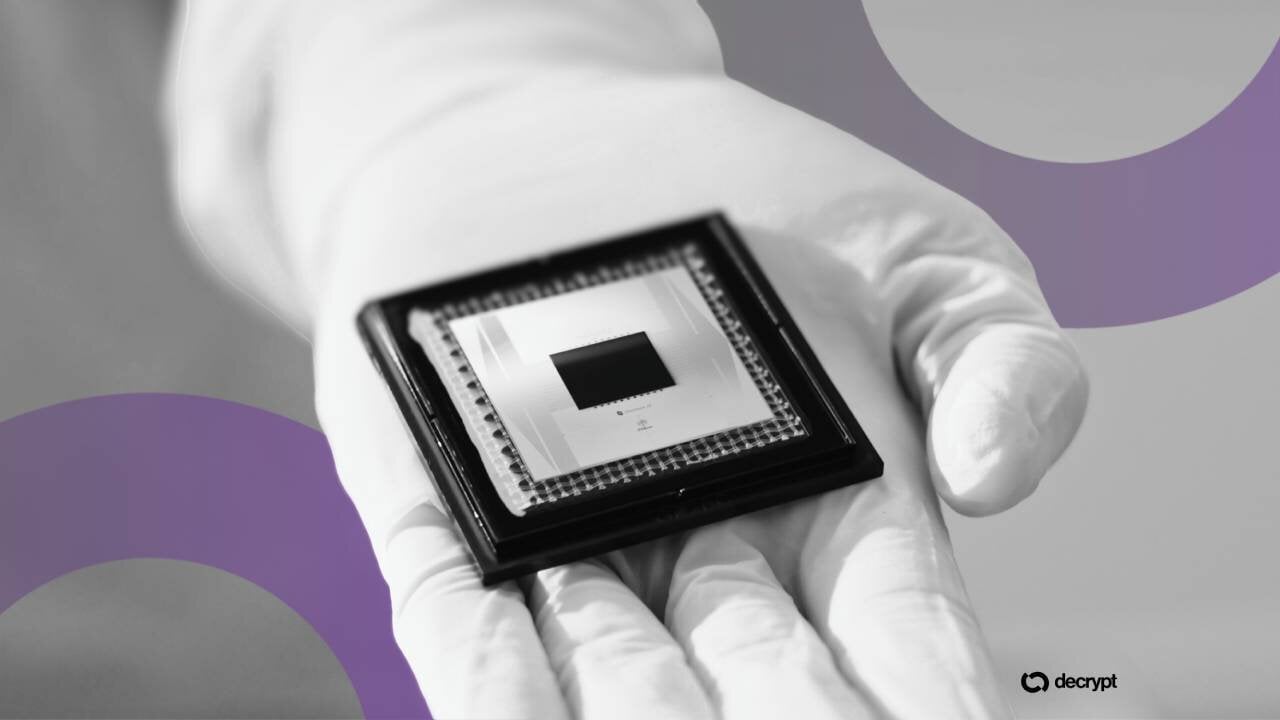
IonQ’s announcement of the Superion 256 marks a pivotal moment for blockchain security, as the transition from experimental prototypes to scalable quantum manufacturing becomes a reality. While 256 qubits are not yet sufficient to perform a Shor’s algorithm attack on Bitcoin’s current Elliptic Curve Digital Signature Algorithm (ECDSA), the speed of IonQ's hardware iteration suggests that the hardware required to threaten legacy wallets is approaching faster than the 2030s timeframe previously estimated by many analysts. Bitcoin Core developers are now intensifying debates over which post-quantum cryptography (PQC) standards to adopt to ensure long-term chain integrity.
The technological leap represented by Superion 256 involves new chip architectures that allow for larger-scale manufacturing of quantum processors. For the Bitcoin ecosystem, this means the 'wait and see' approach to quantum security is no longer viable. Developers are currently evaluating several Bitcoin Improvement Proposals (BIPs) that could introduce quantum-resistant signature schemes, such as Winternitz One-Time Signatures (WOTS) or lattice-based alternatives, likely requiring a significant soft fork or the introduction of new address types to protect stagnant 'Satoshi-era' coins.
From a regulatory and geopolitical perspective, the U.S. government’s push for quantum supremacy—evidenced by support for domestic firms like IonQ—is creating a dual-edged sword for crypto. While American technological leadership provides a stable environment for innovation, it also places pressure on decentralized protocols to outpace state-sponsored quantum capabilities. The market impact remains neutral for now, as the immediate threat to the 21-million supply is low, but long-term holders are beginning to favor protocols that demonstrate proactive security roadmaps.
Investors and node operators should closely monitor the upcoming Bitcoin developer conferences in mid-2026 for formal consensus on PQC integration. The primary risk lies in older, 'p2pkh' addresses where the public key is already exposed on the ledger. Moving forward, the industry will watch if IonQ successfully meets its production targets for the latter half of the year, which would confirm that the quantum era has officially transitioned from the laboratory to the data center.