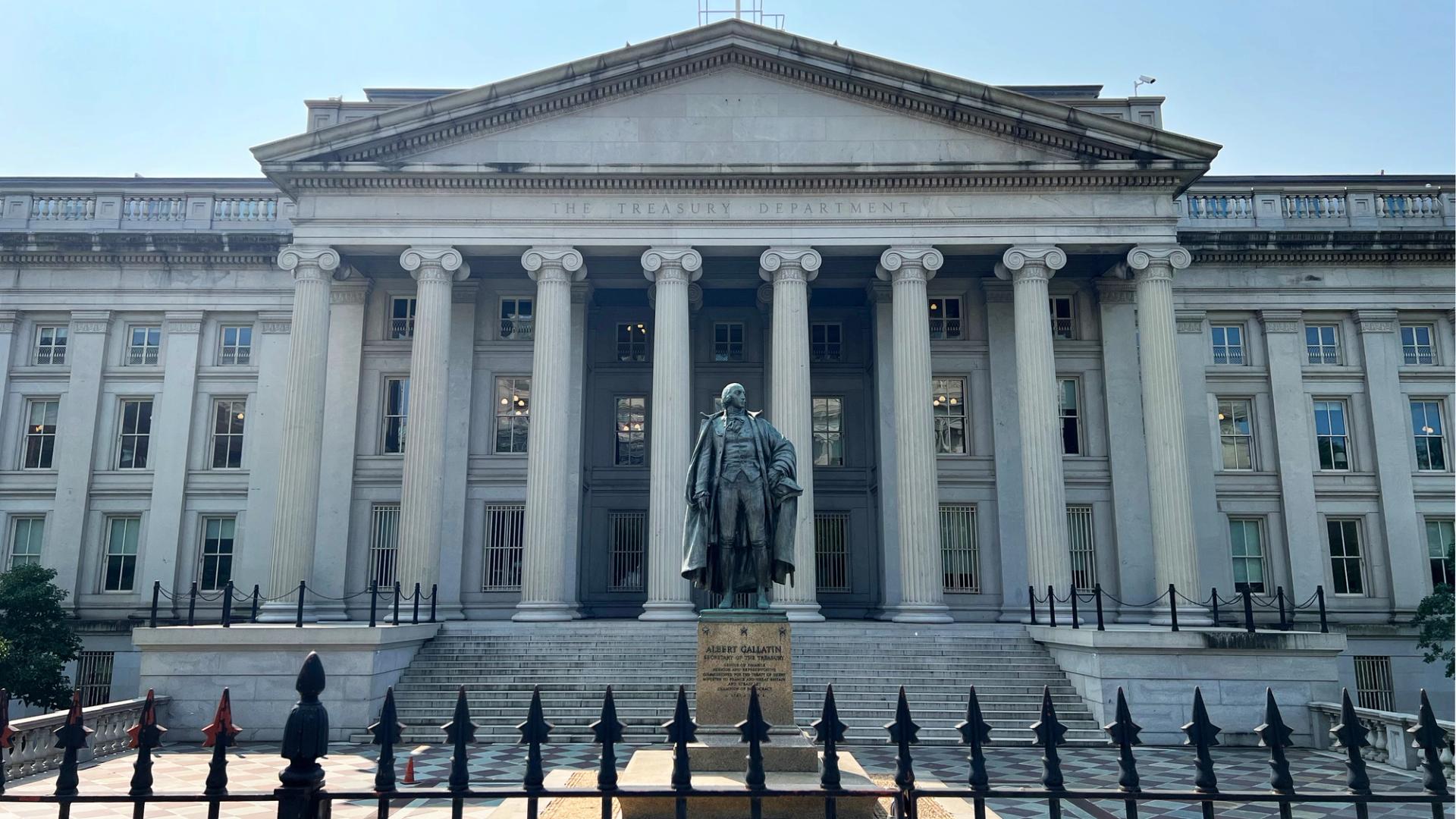
The U.S. Department of the Treasury’s Office of Foreign Assets Control (OFAC) sanctioned Xinbi Guarantee in 2026 because the platform served as a critical intermediary for cyber-scam operations, facilitating illicit cryptocurrency transactions. By acting as a 'guarantee' or escrow service for criminal networks, Xinbi allowed scammers to exchange digital assets for fiat currency while providing a layer of anonymity that shielded them from law enforcement. This move is part of a broader 2026 initiative by the U.S. government to target the financial pipes that allow international cyber-fraud to flourish.
Xinbi Guarantee was identified as a primary clearinghouse for 'pig butchering' and other sophisticated social engineering schemes. The platform reportedly processed millions of dollars in stablecoins and Bitcoin, acting as a trusted third party for various Chinese-language criminal enterprises. By sanctioning Xinbi, the U.S. Treasury has not only frozen any assets held in U.S. jurisdictions but has also signaled to global virtual asset service providers (VASPs) that facilitating transactions for such hubs will result in severe secondary sanctions.
This regulatory action highlights the evolving geopolitical tension regarding digital asset oversight. U.S. officials have expressed increasing concern over how offshore, Chinese-language platforms are being used to circumvent traditional anti-money laundering (AML) controls. The 2026 crackdown reflects a shift toward targeting the 'service layer' of the crypto economy—the entities that provide the liquidity and escrow needed for illicit business models to operate at scale.
For the broader crypto market, this action reinforces the trend of heightened compliance requirements for decentralized and centralized exchanges alike. While the immediate impact on major asset prices like Bitcoin remains minimal, the move signals a tightening noose around high-risk liquidity pools. Investors should expect increased volatility in privacy-focused sectors and potential liquidity shifts as illicit actors scramble to find alternative laundering venues following the Xinbi shutdown.
Moving forward, market participants should watch for potential retaliatory regulatory measures from international jurisdictions and further OFAC designations of similar escrow platforms. The Treasury’s focus on the 'facilitator' model suggests that more Chinese-language and Eastern European crypto hubs may be targeted throughout the remainder of 2026. Enhanced KYC (Know Your Customer) protocols across global exchanges will likely become even more stringent as platforms attempt to distance themselves from sanctioned entities.