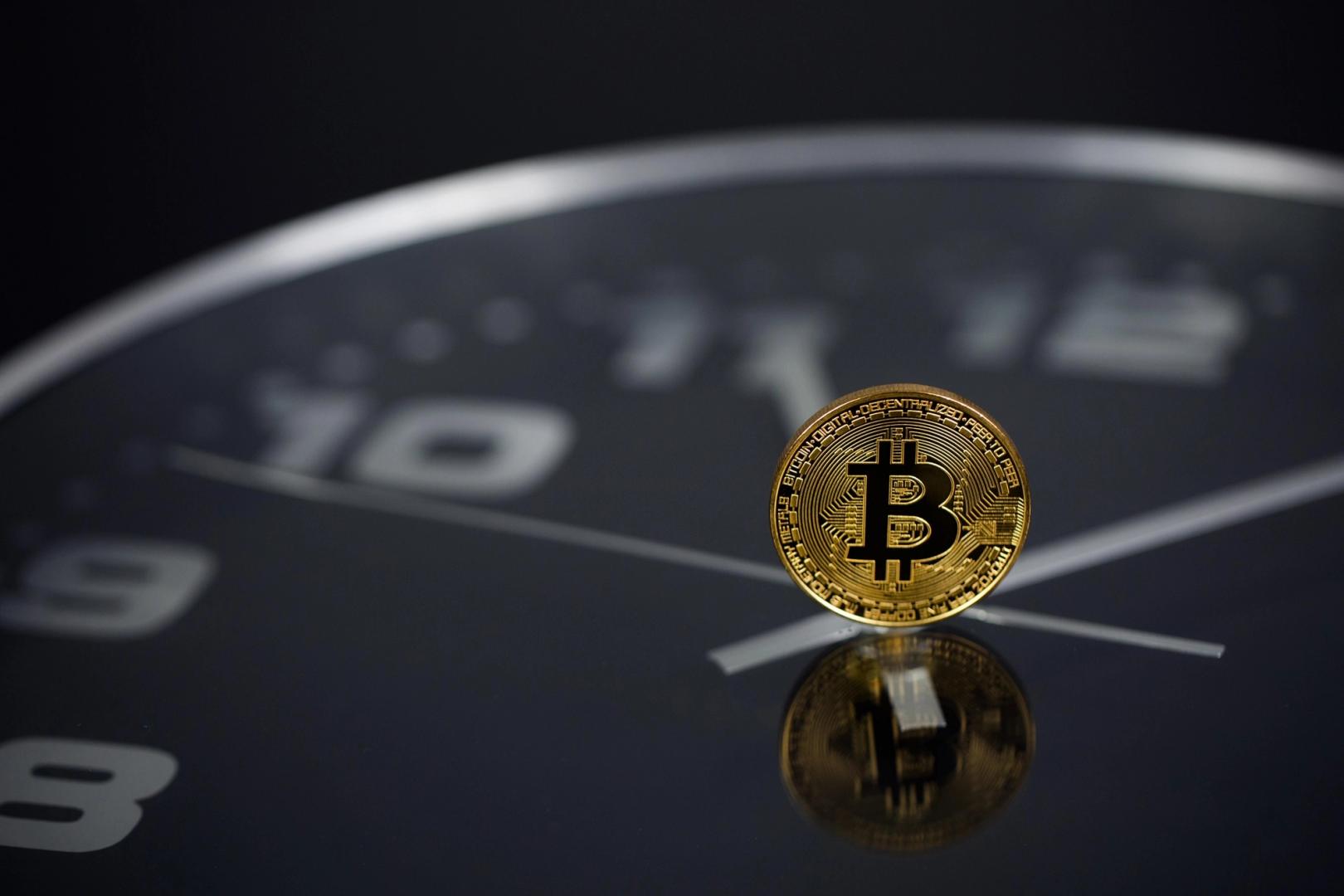
The 2026 announcement of a $300 million U.S. federal hardware initiative has effectively set a 'quantum clock' for the crypto industry, moving the arrival of fault-tolerant quantum machines to a 2029 window. To protect the networks, Bitcoin and Ethereum developers are now under increased pressure to transition from Elliptic Curve Digital Signature Algorithm (ECDSA) to post-quantum cryptography (PQC). This migration is essential because quantum computers could theoretically derive private keys from public keys, potentially compromising trillions of dollars in digital assets if the transition is not completed before hardware parity is reached.
This $300 million push is part of a broader U.S. strategy to maintain technological supremacy in the face of global competition. While the funding targets breakthroughs in materials science and error correction, the byproduct is a faster path to cracking the cryptographic foundations of current blockchain protocols. For the first time, the timeline for quantum hardware capability and the roadmap for blockchain security upgrades are converging on the same three-year horizon, turning a theoretical risk into an immediate engineering priority.
Geopolitically, this move signals that the U.S. views quantum computing as a critical pillar of national security. For the crypto market, this implies that regulatory bodies like the SEC or Treasury may soon begin auditing the 'quantum readiness' of institutional custodians and stablecoin issuers. As the 2029 deadline nears, the industry should expect a shift in focus toward projects that prioritize agility in their consensus and encryption layers to withstand rapid advancements in computing power.
Investors and users should closely monitor the 'quantum migration' updates within the Bitcoin and Ethereum ecosystems. Ethereum is currently researching zero-knowledge-based post-quantum signatures, while Bitcoin researchers are debating various soft fork proposals to introduce quantum-resistant address types. The primary concern remains 'stale' or lost coins, such as those held by Satoshi Nakamoto, which cannot be moved to new addresses and may serve as the first targets for future quantum-capable actors. The success of these migrations will likely dictate long-term confidence in Bitcoin as a store of value.