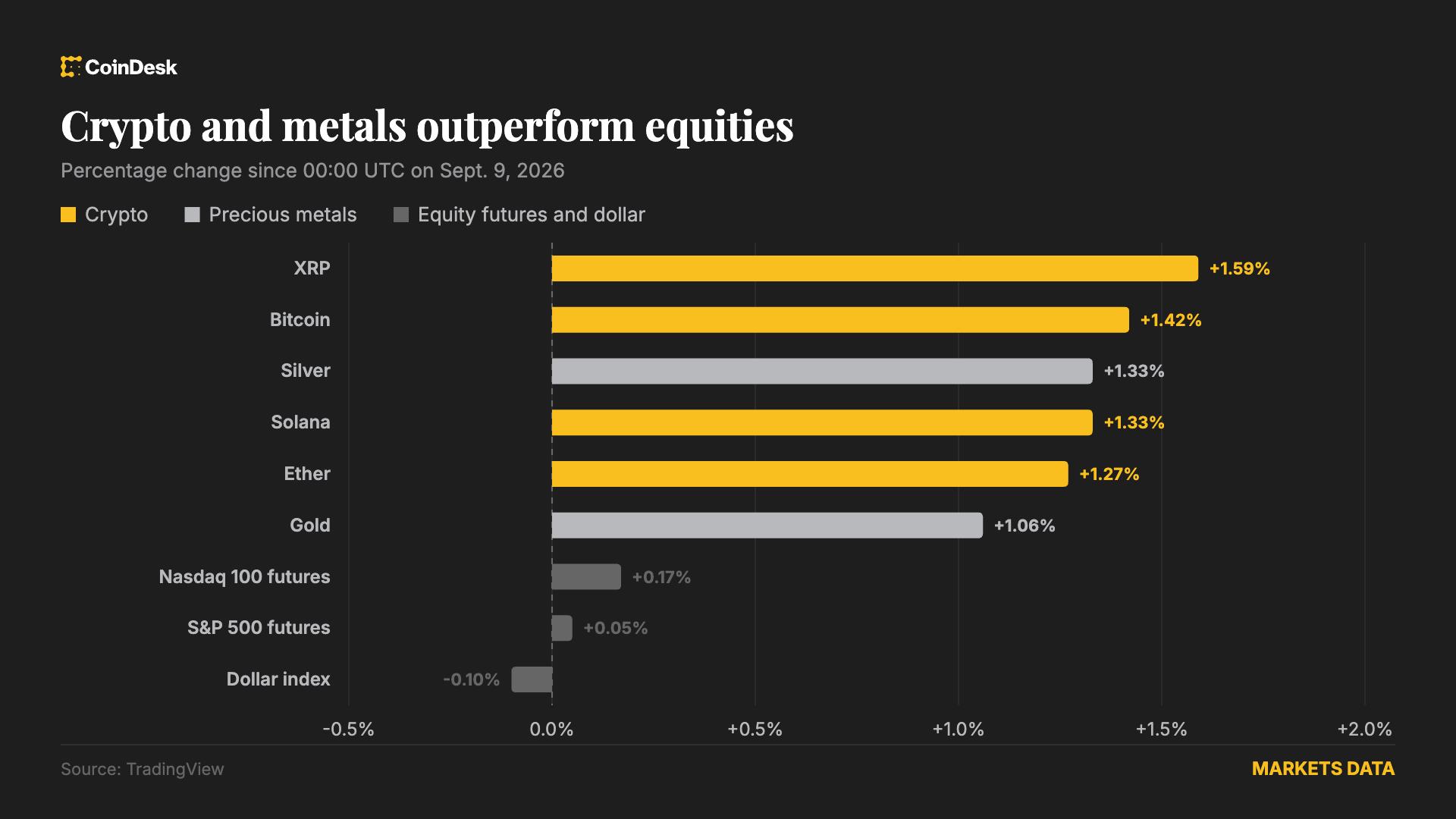
Bitcoin has surged to a new high of $79,700, directly decoupling from the S&P 500 and European equities which saw sharp declines following recent strikes in Iran. While traditional stocks are retreating due to heightening geopolitical risks, Bitcoin is instead tracking the upward trajectory of gold and Brent crude oil, which has topped $100 per barrel. This price action suggests that institutional and retail investors are increasingly treating the premier cryptocurrency as a 'safe-haven' asset during times of international conflict.
The escalation in the Middle East has sent shockwaves through the global energy market, pushing oil prices to levels not seen in years. Typically, such macroeconomic shocks lead to a 'risk-off' sentiment where investors sell both stocks and crypto. However, the 2026 market dynamics show a distinct pivot; as European shares fell on news of the strikes, capital flowed into Bitcoin and gold simultaneously, reflecting a strategic move to preserve value against potential currency devaluation and energy-driven inflation.
For US-based investors, this decoupling is a significant milestone in Bitcoin’s maturity. The asset's ability to maintain upward momentum while the broader market faces supply chain disruptions and energy uncertainty reinforces its utility as a non-sovereign store of value. Regulatory eyes in Washington are likely to monitor this trend closely, as Bitcoin’s resilience may influence how the SEC and Treasury view the asset's systemic importance during global crises.
Moving forward, market participants should watch the $80,000 psychological resistance level for Bitcoin and the duration of the oil price spike. If Brent crude remains above $100, the inflationary pressure may continue to drive capital away from growth stocks and into scarce assets like Bitcoin. Furthermore, any additional escalations or de-escalations in the Iran conflict will serve as a primary indicator for whether this new correlation with gold is a permanent shift or a temporary reaction to 2026’s geopolitical climate.