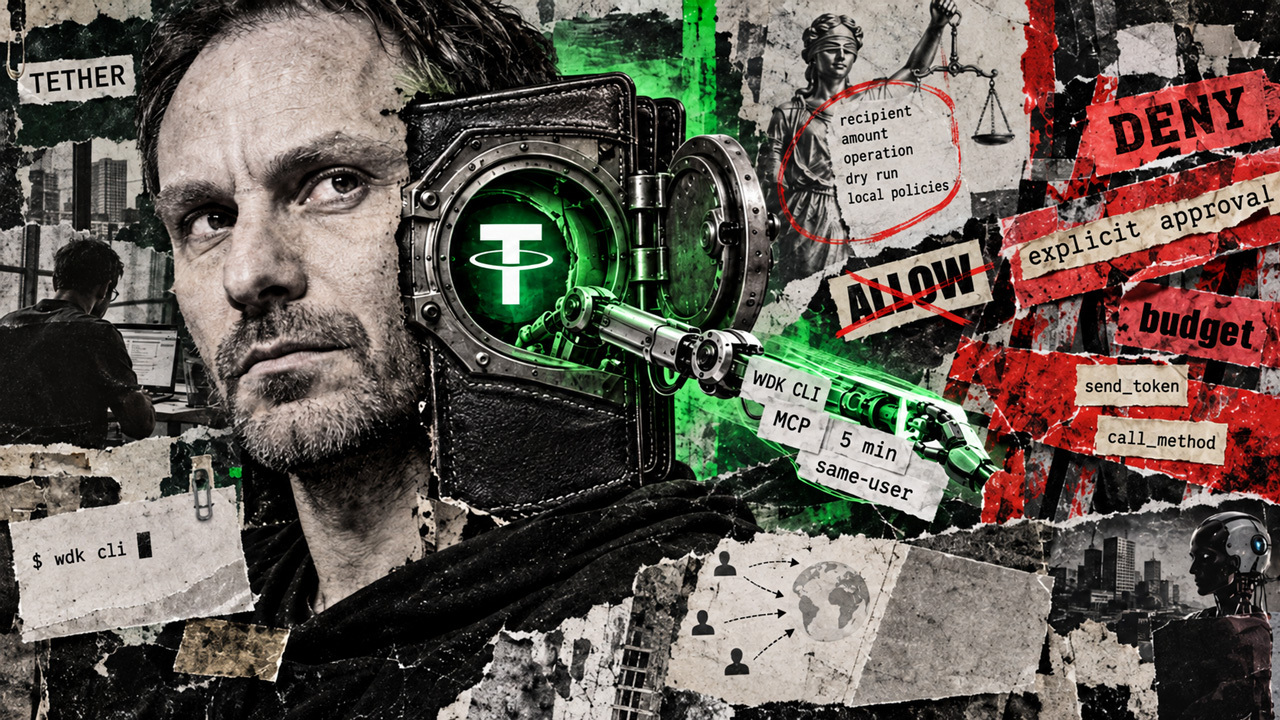
Tether’s Wallet Development Kit (WDK) impacts developers by placing the entire burden of spending control on the application layer rather than providing native protocol-level limits. While the WDK enables autonomous AI agents to hold and transact in USDT, the separation of wallet access from payment approval means the toolkit does not automatically enforce budgetary constraints. As a result, developers are responsible for coding the logic that prevents an AI agent from draining a wallet, leaving them legally and financially 'on the hook' for any logic errors or agent malfunctions in 2026’s increasingly automated economy.
CEO Paolo Ardoino has championed the WDK as a way to integrate stablecoins into the burgeoning AI sector, allowing non-human entities to participate in the global economy. However, the current implementation reflects a strict non-custodial philosophy. By offloading spending enforcement to the developers, Tether avoids the role of a central intermediary but creates a high barrier to entry for secure application development. Developers must now build custom 'spending middleware' to ensure AI agents do not exceed their mandates during high-frequency transactions.
From a regulatory standpoint in the United States, this shift in responsibility is significant. As AI-integrated DeFi applications gain traction throughout 2026, the 'duty of care' is moving away from the infrastructure provider (Tether) and toward the software engineers who deploy the agents. If an autonomous agent executes unauthorized high-value transfers due to a lack of limits, US regulators are likely to hold the application developers accountable for failing to implement sufficient consumer protections at the software level.
Market observers should watch for the emergence of standardized security modules and third-party auditing tools designed specifically for the Tether WDK. As AI-to-AI commerce becomes a standard use case for stablecoins, the success of the USDT ecosystem will depend on whether developers can successfully navigate these liability risks. The next phase of growth will likely involve 'intent-based' guardrails that can interpret an AI's transaction goals rather than just its volume, providing a safer environment for autonomous finance.