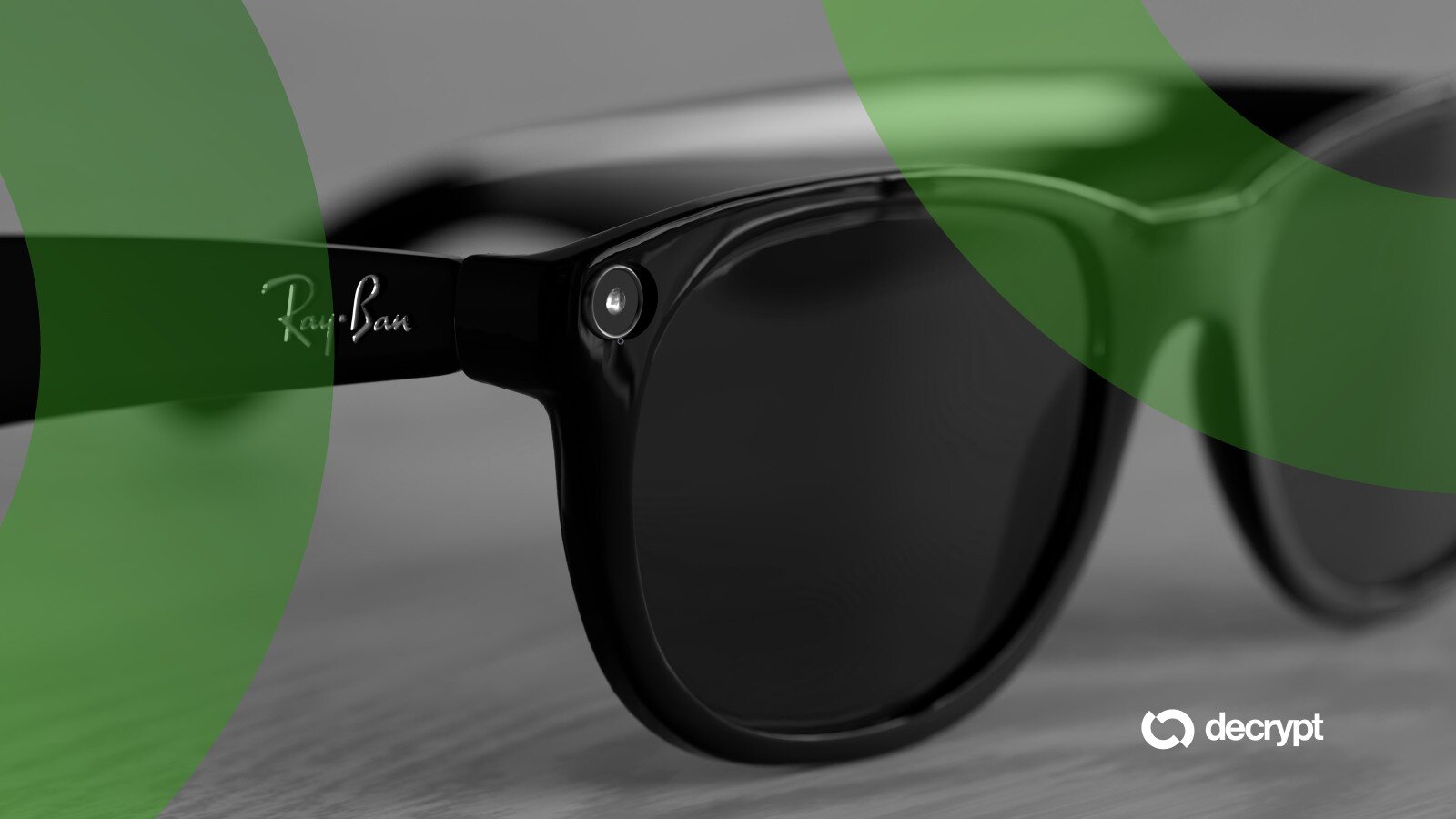
The NYPD and the Department of Homeland Security (DHS) are warning that Meta’s smart glasses pose a significant security risk because they allow individuals to surreptitiously record high-definition video inside restricted police facilities and correctional centers. According to internal memos released in early 2026, law enforcement agencies are concerned that the devices' discreet form factor allows visitors or detainees to document officer identities, security protocols, and internal layouts without detection.
This alert follows a series of incidents where the 2026 iterations of Meta’s wearable tech were allegedly used to bypass standard searches in New York City jails. While Meta has implemented recording indicators, such as small LEDs, the NYPD warns these are easily obscured or ignored in low-light environments. The DHS has classified this as a 'tactical vulnerability,' suggesting that the footage could be used to plan escapes or target off-duty personnel.
From a regulatory standpoint, this tension reflects a broader 2026 crackdown on privacy-invasive hardware. As spatial computing and augmented reality (AR) become mainstream, the legal boundaries between consumer convenience and public safety are being redrawn. Law enforcement agencies are now advocating for stricter geofencing requirements that would hardware-lock camera functions when devices enter sensitive government coordinates.
For the technology and digital asset markets, these warnings may signal a shift in how 'Proof of Presence' or DePIN (Decentralized Physical Infrastructure Networks) protocols operate. If government agencies move to ban specific wearable hardware in public or semi-public spaces, the adoption rate of AR-based data collection could stall. Investors should watch for upcoming federal guidelines from the FTC regarding the 'detectability' of wearable cameras, as these regulations will likely dictate the hardware specifications for the next generation of smart devices.