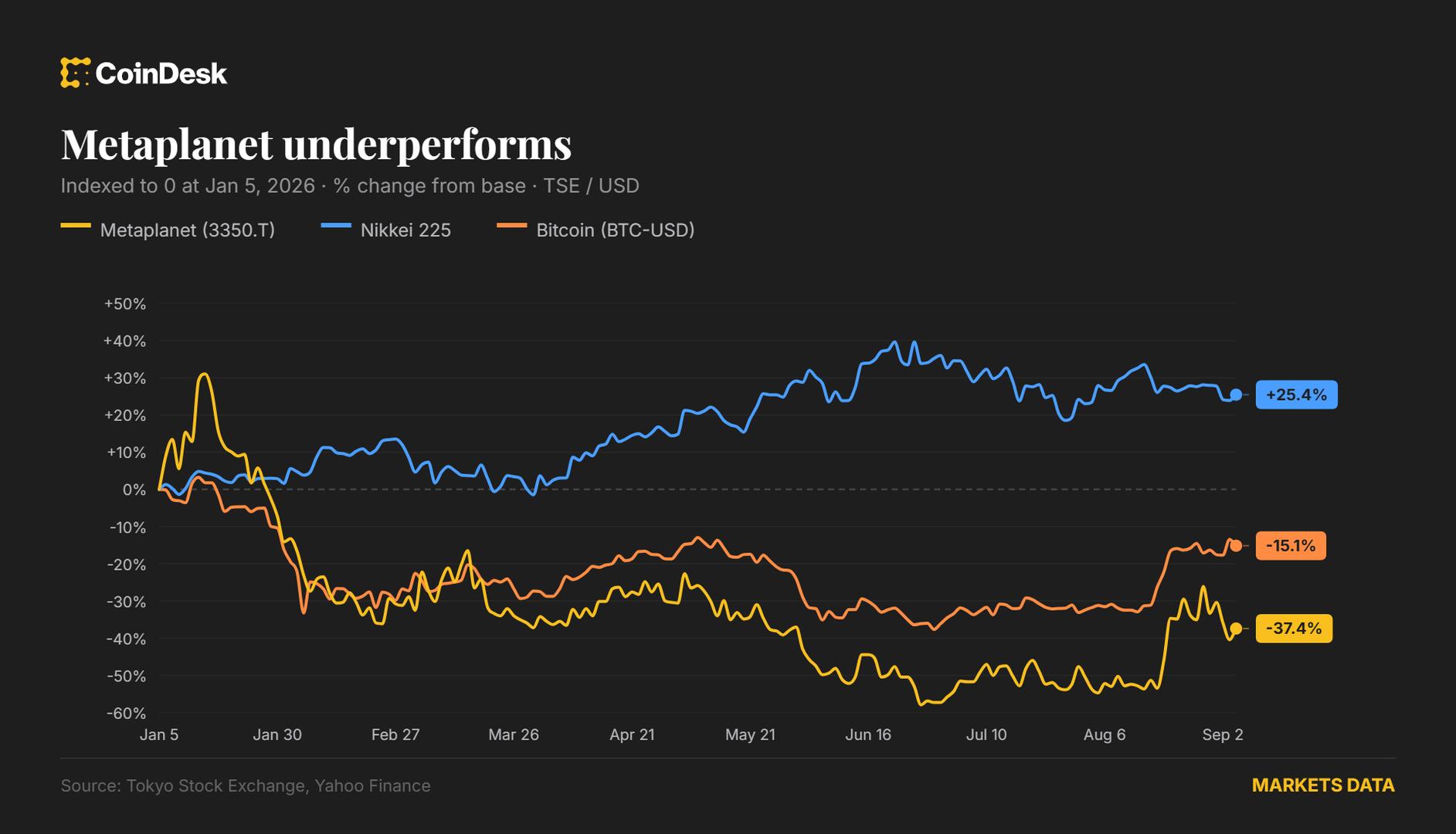
Metaplanet shareholders are questioning CEO Simon Gerovich because of a perceived lack of transparency regarding the firm's relationship with MMXX Ventures and how it impacts their Bitcoin holdings. In a recent address, Gerovich admitted that the company had not sufficiently explained its internal structure to the public and explicitly denied that Metaplanet leadership dictates the specific trading decisions made by MMXX Ventures. This clarification has so far failed to satisfy investors who are concerned about oversight and the potential for opaque risk management within the company’s crypto-first strategy.
As of early 2026, Metaplanet has solidified its position as a leading corporate Bitcoin holder in Asia, but its complex web of subsidiaries and partner entities like MMXX Ventures has become a point of contention. The primary concern among shareholders is whether the Bitcoin treasury—intended as a long-term reserve asset—is being exposed to unnecessary trading risks through these third-party entities. Gerovich’s attempt to distance Metaplanet from MMXX’s market activities was intended to reassure the market of the treasury's stability, yet it has instead highlighted a gap in corporate governance documentation.
From a regulatory perspective, this dispute comes at a time when Japanese and global financial authorities are intensifying scrutiny on corporate crypto disclosures. If Metaplanet cannot provide a clear, audited roadmap of its relationship with MMXX Ventures, it may face increased pressure from institutional investors who demand the same level of transparency found in U.S.-based Bitcoin proxy stocks. The lack of clarity could lead to a 'governance discount' on the company’s share price, even if Bitcoin’s market value continues to climb.
Investors should closely monitor Metaplanet’s upcoming quarterly reports for any changes to their disclosure policies or a formal restructuring of their relationship with MMXX Ventures. The resolution of these 'hard questions' will be critical for the company’s ability to attract further institutional capital in 2026. Until a more detailed breakdown of trading permissions and structural hierarchies is provided, the stock may remain volatile as the market weighs corporate risk against Bitcoin’s performance.