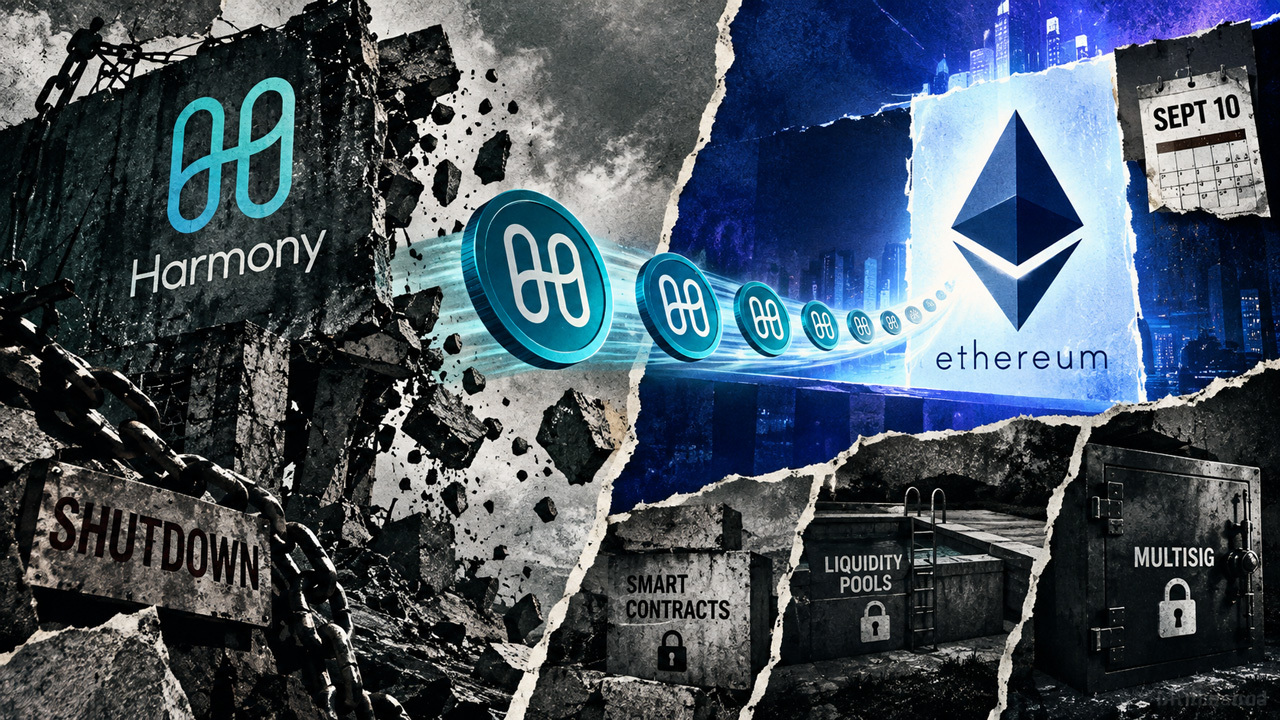
Harmony is officially transitioning its operations to the Ethereum network, marking the end of its seven-year tenure as a standalone Layer 1 blockchain. This move is a direct response to a recent security exploit that forced a controversial network rollback, undermining the chain's decentralized integrity. By seeking refuge on Ethereum, the Harmony team intends to leverage the security and liquidity of the world's largest smart contract platform, effectively turning ONE into an Ethereum-based protocol or Layer 2 solution.
The decision comes at a time when several mid-tier blockchains are struggling to maintain independent security budgets in the face of increasingly sophisticated cross-chain attacks in 2026. The Harmony Foundation stated that the cost of maintaining a bespoke validator set was no longer justifiable compared to the security guarantees provided by the Ethereum mainnet. For the broader market, this highlights a significant shift where aging alt-L1s are choosing 'alignment' with Ethereum over the risk of total obsolescence.
US-based investors and DeFi participants are urged to take immediate action. The project has set a hard deadline of September 10, 2026, for users to interact with existing smart contracts and bridge their assets out of the legacy Harmony environment. After this date, the original validators are expected to go offline permanently, rendering any remaining assets on the old chain inaccessible. This migration is likely to face regulatory scrutiny regarding how the new token distribution will be handled to comply with current SEC custody guidelines.
From a market perspective, the abandonment of the native chain is viewed as a bearish signal for the original 'Ethereum Killer' thesis, though it offers a potential path to recovery for ONE token holders. Investors should monitor the release of the new Ethereum-based contract addresses and official bridging tutorials. The success of this migration will depend heavily on the project's ability to retain its developer community while operating under the heavy fees and congestion constraints of the Ethereum ecosystem.