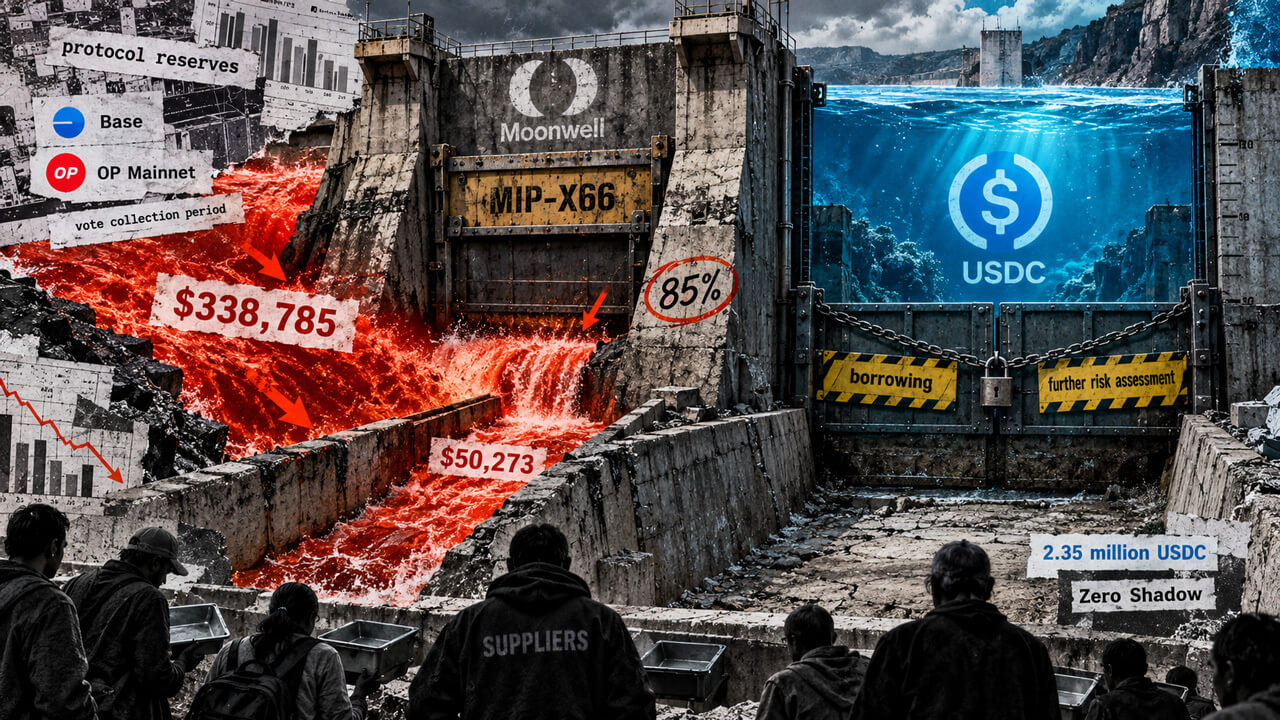
USDC withdrawals on the Anthias DeFi lending platform remain frozen because the protocol's latest recovery proposal prioritizes long-term debt stabilization over immediate user liquidity. Although the team has introduced a plan to lower monthly debt accrual under stable market conditions, they have not yet implemented a mechanism to unlock supplier funds. The proposal lacks a definitive timeline for when users can expect to move their USDC, as the necessary reserve transfers to cover the bad debt remain unverified on-chain.
The situation stems from a significant bad-debt accumulation that forced Anthias to halt outflows to prevent a total collapse. The new proposal aims to restructure the protocol's interest rate model and reserve management to prevent the deficit from widening further. However, the community remains skeptical, as the 'fix' relies on projected market stability rather than a fresh injection of capital to fill the existing hole in the lending pools.
In the broader 2026 DeFi landscape, this incident highlights the persistent risks of algorithmic lending protocols that lack robust insurance or backstop modules. US regulators, including the SEC, are increasingly monitoring protocols that lock user funds during insolvency events, viewing these as potential violations of consumer protection standards. The inability of Anthias to provide transparent, verifiable proof of reserve transfers has only added to the regulatory pressure facing the decentralized lending sector.
Market participants and affected users should closely watch for on-chain verification of reserve movements from Anthias-affiliated wallets. Until the protocol can prove it has the assets to cover its USDC liabilities, the lock is likely to persist. Investors should also monitor governance votes to see if the community demands a more aggressive liquidation of protocol reserves to satisfy immediate withdrawal requests rather than waiting for long-term debt reduction.