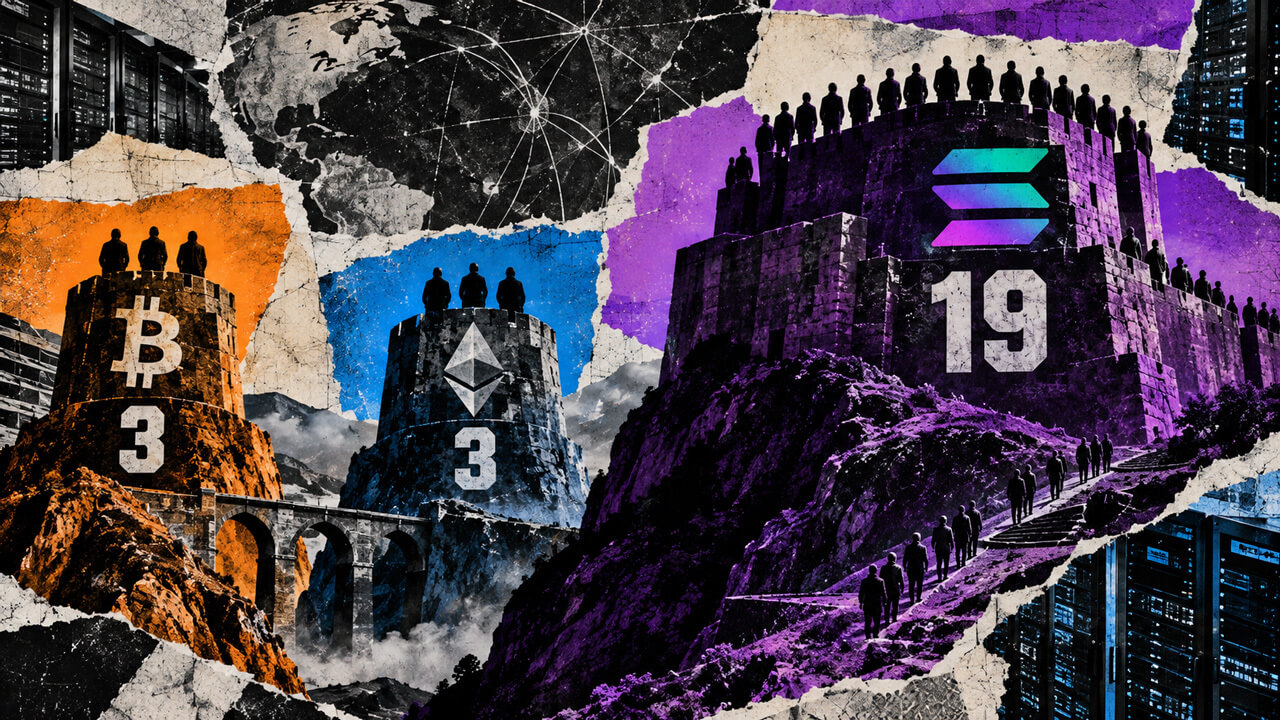
Solana’s Nakamoto Coefficient of 18 indicates that it requires at least 18 independent entities to collude to compromise the network, a figure that technically outperforms Bitcoin’s current mining pool concentration. However, this metric does not equate to absolute security; while the validator set is increasingly decentralized, the network remains susceptible to critical software bugs within its primary client. For institutional investors in 2026, this means that while the risk of censorship is lower, the risk of a total network halt due to code vulnerabilities remains a primary concern.
This development comes as US regulators and institutional desks demand more transparent decentralization metrics beyond simple node counts. Bitcoin has long been criticized for its hash rate being dominated by a handful of massive mining pools, whereas Solana has aggressively incentivized a broader distribution of stake. In the context of 2026 market standards, Solana's '18' reading is a significant milestone for proving it is not a centralized 'VC chain,' but the lack of diverse software clients still creates a technical bottleneck that Bitcoin's older, ossified code largely avoids.
From a regulatory standpoint, the Nakamoto Coefficient is becoming a benchmark for 'sufficient decentralization' under current US crypto frameworks. A higher coefficient helps Solana argue against being classified as a security, as it demonstrates that no single entity controls the ledger. However, the 'single software bug' risk mentioned in recent reports refers to the need for multiple independent validator clients, such as the full production rollout of Firedancer, to ensure that one flawed update doesn't take the entire ecosystem offline.
For traders and ecosystem participants, this creates a dual narrative. On one hand, the decentralization metric is a long-term bullish indicator for institutional adoption and regulatory clarity. On the other hand, the operational risk keeps Solana in a higher risk-reward bracket than Bitcoin. Investors should watch for the successful integration of secondary and tertiary software clients in 2026, which would mitigate the 'single bug' threat and potentially close the valuation gap between Solana and its larger peers.