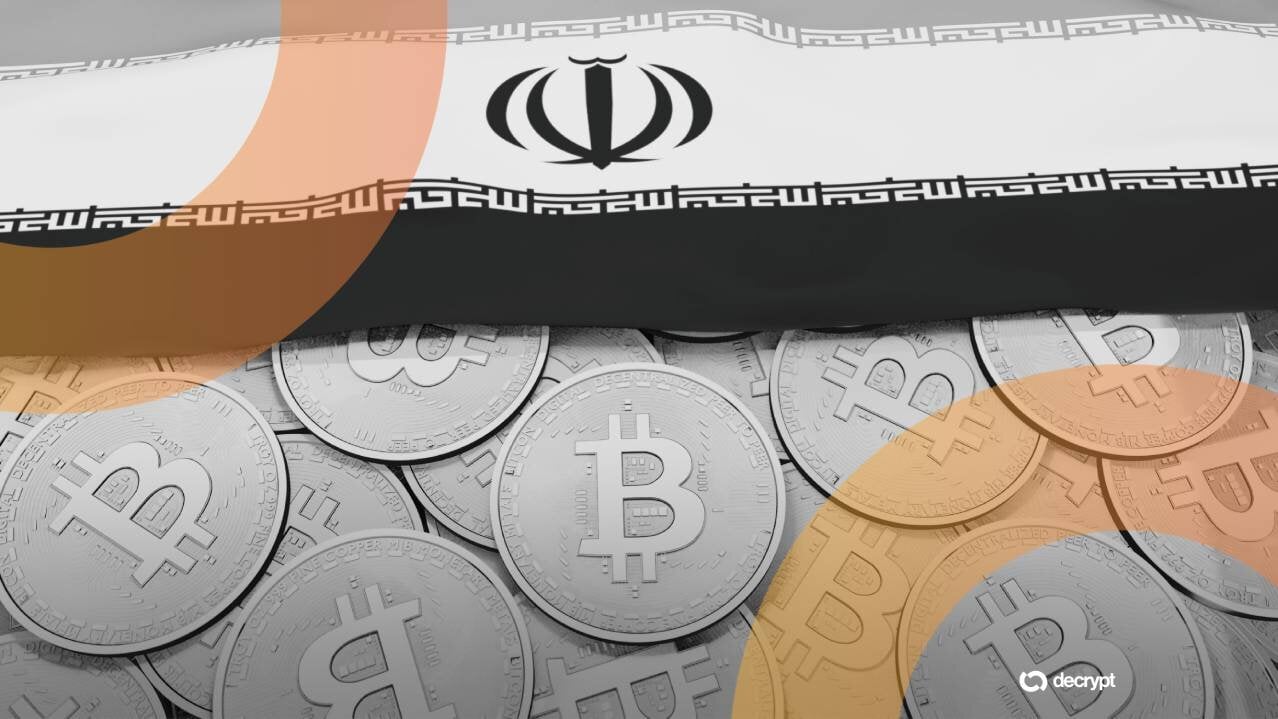
The $350 billion surge in Middle East crypto activity throughout 2026 is directly linked to the escalating Iran conflict, which has prompted a massive shift toward decentralized financial rails. According to the Bitcoin Policy Institute, demand for digital assets has tripled year-over-year as both retail investors and businesses seek to insulate their wealth from local currency volatility and the threat of frozen traditional accounts. The report emphasizes that Bitcoin and stablecoins are now acting as primary tools for liquidity and capital flight in a region where physical financial infrastructure is increasingly compromised.
Despite the ongoing kinetic conflict, crypto-focused businesses in Gulf nations like the UAE and Qatar have remained operational, providing a stable backbone for regional trade. These jurisdictions have successfully leveraged their robust regulatory frameworks to ensure that digital asset service providers can continue facilitating large-scale transactions even as neighboring territories experience severe connectivity issues. This resilience has turned the Gulf into a 'safe harbor' for digital finance, attracting institutional players who require reliable payment rails during geopolitical crises.
For US-based investors and policymakers, this trend underscores the growing utility of crypto as a neutral financial tool in 2026. The ability of these networks to function without centralized permission is challenging the effectiveness of traditional financial statecraft, as the $350 billion volume demonstrates a clear preference for borderless assets over legacy banking. The Bitcoin Policy Institute's findings suggest that the role of crypto as a 'disaster-proof' asset class is moving from theory to reality in the MENA region.
Market participants should watch for increased institutional capital flowing into Dubai-based exchanges and a potential rise in Bitcoin's 'war premium' if regional tensions continue to escalate. As the Middle East cements its role as a high-volume crypto hub, the narrative for digital assets is shifting toward their essential function as durable financial infrastructure. Further developments in 2026 will likely center on how global regulators respond to this decentralized shift in regional wealth management.