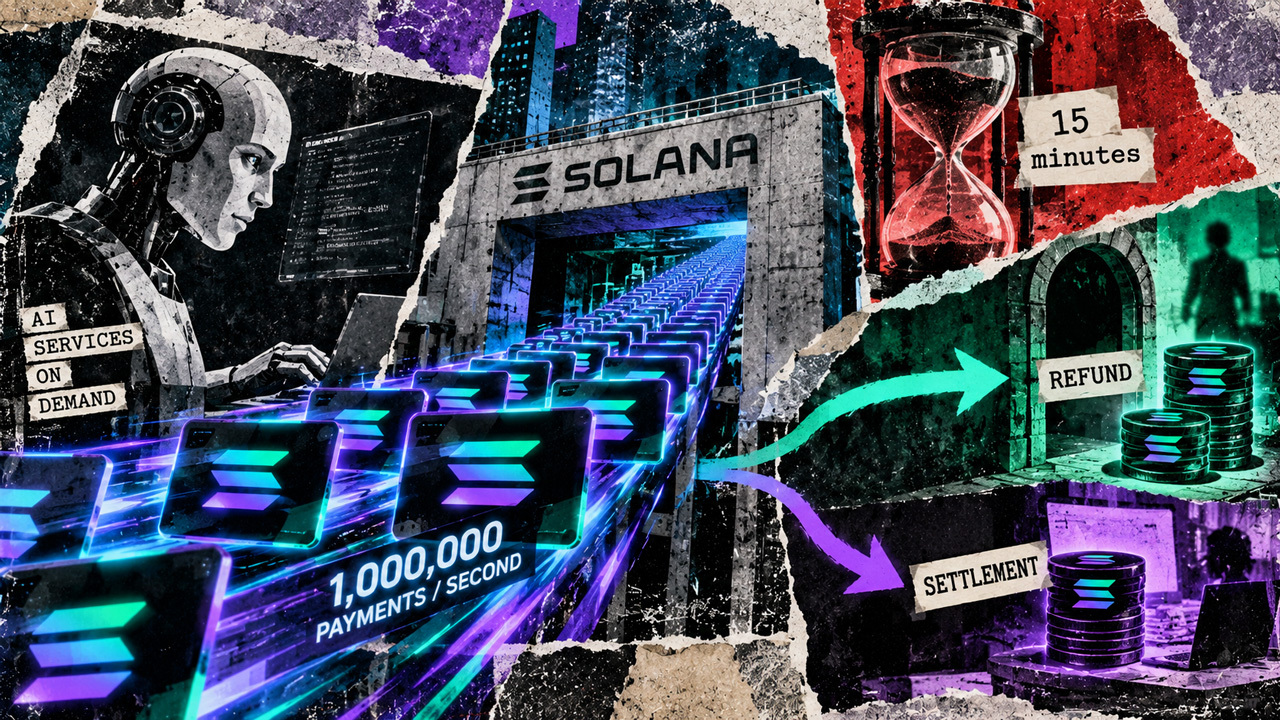
Solana’s high-speed AI payment architecture is facing a critical reliability challenge in 2026, as stress tests reveal that "operator failures" can leave merchants without payment even after they have delivered goods. The system, which was marketed for its ability to process one million payments per second, appears to lose synchronization between transaction validation and actual fund disbursement during peak load failures. This leaves the final bill uncollected, forcing a difficult choice between merchant losses or protocol-funded recovery.
The issue stems from the way the AI layer batches and predicts transactions to achieve extreme throughput. When an operator node fails mid-process, the merchant may receive a "soft confirmation" that triggers delivery, but the actual settlement fails to finalize on the Solana mainnet. This "ghost payment" scenario exposes a lack of robust insurance mechanisms within the 2026 payment framework, putting the financial burden directly on the sellers who rely on instantaneous transaction confirmation.
From a regulatory perspective, this failure highlights the growing need for merchant protection standards in the decentralized finance space. US regulators, including the CFPB, have been increasingly vocal in 2026 about digital asset payment rails meeting the same "guaranteed settlement" standards as traditional banking. If Solana cannot resolve these settlement gaps, it may face increased pressure to implement mandatory reserves or consumer-style protection laws for payment operators.
For the broader market, this news injects caution into the "high-speed" narrative that has driven SOL’s price throughout early 2026. Investors and retail partners should watch for upcoming technical updates or the establishment of a "Settlement Recovery Fund" to mitigate these risks. Until a definitive fix for operator-induced settlement failures is deployed, the adoption of Solana’s AI payment system by major US retailers may face significant delays and increased insurance premiums for digital commerce.