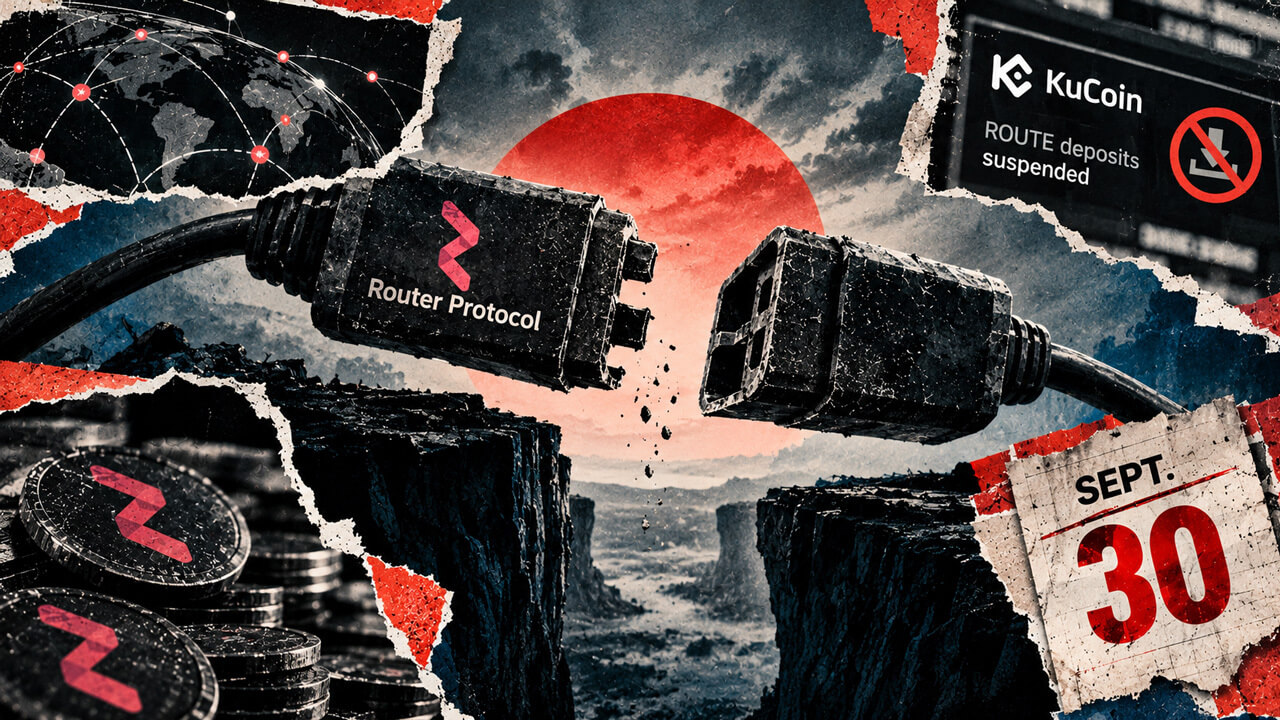
Router Protocol, a prominent cross-chain interoperability project backed by Coinbase Ventures, has officially announced the shutdown of its bridge services in early 2026. The project leadership cited a fundamental failure in their economic model, noting that 'thin bridge fees' generated from user transactions could not sustain the expensive, always-on infrastructure required to secure the network. This move highlights a growing trend in the DeFi sector where middleware protocols are struggling to remain solvent against rising operational overhead and competitive fee compression.
The announcement has immediate implications for the project's tokenomics, specifically regarding a planned burn of 303.3 million ROUTE tokens that remains pending. This burn is intended to reduce the total supply and potentially stabilize the ecosystem as the team shifts away from traditional bridging. For US-based users and liquidity providers, the shutdown necessitates a swift migration of assets to avoid potential liquidity traps as node operators begin to wind down their services.
From a regulatory and market perspective, the failure of a Coinbase-backed entity underscores the volatility of the infrastructure layer in the 2026 crypto landscape. As Ethereum L2s and modular blockchains develop more native interoperability features, third-party bridges like Router have found their profit margins evaporated. This shutdown serves as a case study for venture capital firms on the difficulty of scaling decentralized physical infrastructure (DePIN) and cross-chain messaging services without a secondary revenue stream.
Investors and developers should closely watch the execution of the ROUTE token burn and the protocol's proposed transition to an intent-based architecture. The market will be looking for whether the project can successfully rebrand or if this shutdown marks the beginning of a broader consolidation among cross-chain service providers. Furthermore, watch for potential SEC or CFTC interest in how the protocol manages the 'sunsetting' process for US retail users to ensure consumer protections are maintained during the transition.