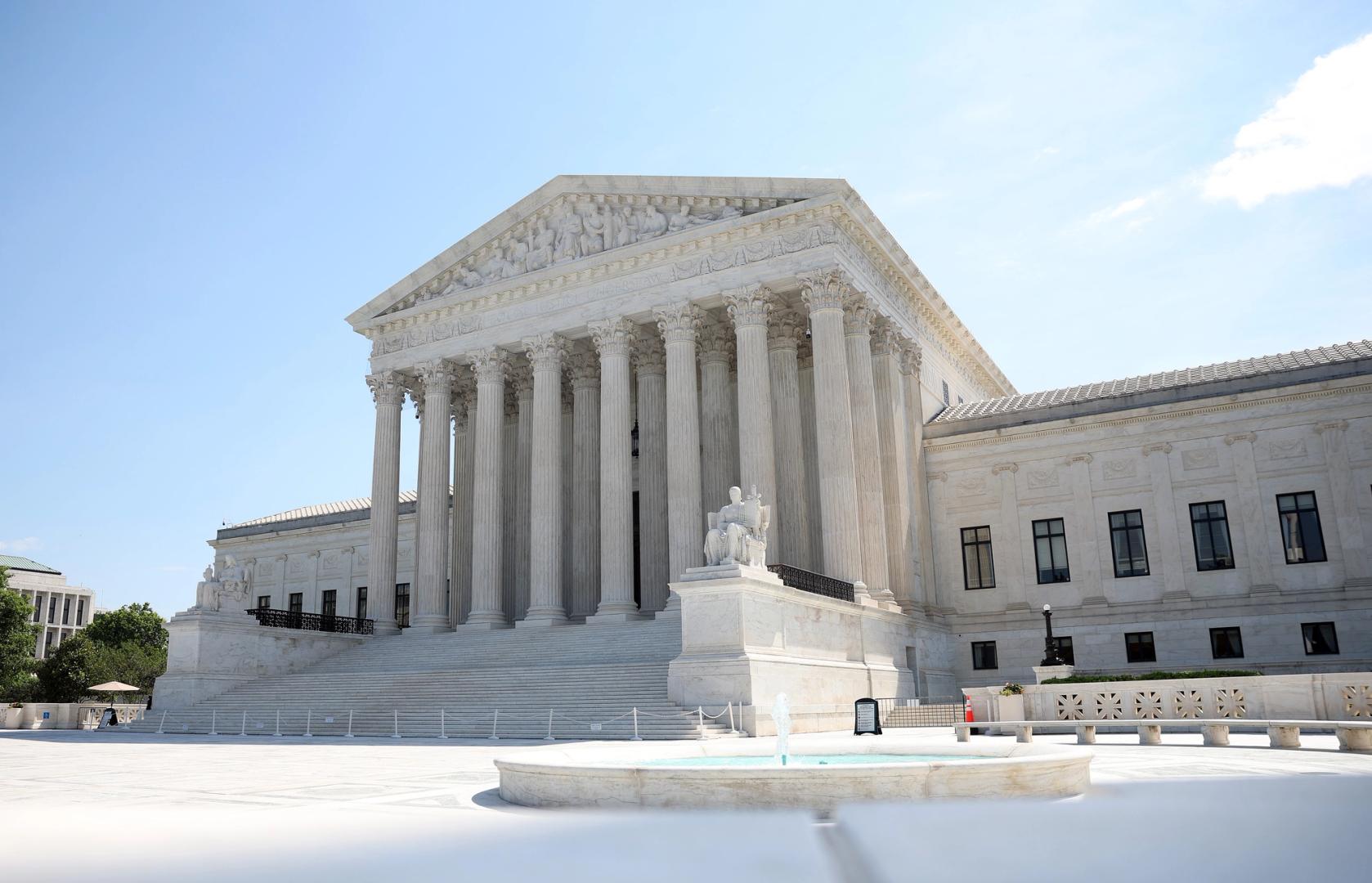
New Jersey has filed a petition for a writ of certiorari, formally asking the U.S. Supreme Court to intervene in the ongoing legal battle over Kalshi’s prediction markets. The move follows a series of lower court decisions that allowed Kalshi to resume offering contracts on U.S. election outcomes, despite heavy opposition from the Commodity Futures Trading Commission (CFTC) and state-level regulators. By elevating the case to the high court, New Jersey seeks to challenge the D.C. Circuit's interpretation of the Commodity Exchange Act and reassert state authority over gambling-adjacent financial products.
The core of the dispute lies in whether election contracts constitute 'public interest' gambling, which the CFTC has the power to ban, or if they are legitimate derivatives used for hedging political risk. Kalshi’s recent legal victories have allowed it to operate during the 2024 election cycle, but New Jersey argues that these markets bypass critical consumer protections and state regulations. The petition represents the final legal hurdle that could potentially reverse the current trend of liberalization for U.S.-based prediction platforms.
For the crypto and DeFi sectors, the implications are significant. While Kalshi is a centralized platform, the regulatory framework established by this case will likely dictate the future of decentralized prediction markets like Polymarket, which often operate in a legal gray area. A Supreme Court ruling in favor of New Jersey could lead to a broader crackdown on all forms of event-based betting, whereas a refusal to hear the case or a ruling for Kalshi would solidify the market's legitimacy in the U.S.
Investors and platform users should watch for the Supreme Court’s response to the petition in the coming months. If the Court grants 'cert' (agrees to hear the case), a final decision would likely not arrive until mid-2025. In the meantime, the legal uncertainty may cause increased volatility in the usage and token valuations of decentralized protocols that facilitate similar political wagering.