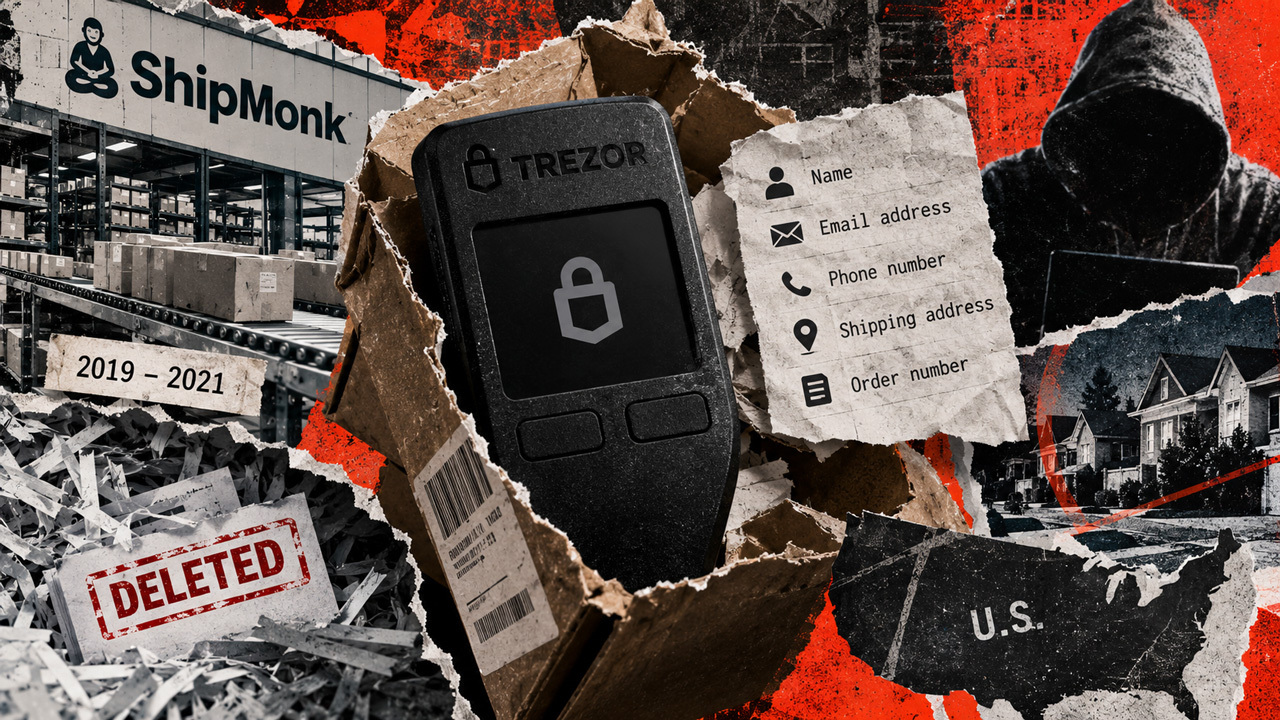
The number of users affected by the Trezor data breach has increased to over 80,000 because shipping logs that were purportedly deleted were found to still exist and be compromised. Initial reports suggested a much smaller impact, but this new disclosure reveals that approximately 80,689 customers have had their information exposed. This sixfold increase underscores a critical vulnerability in how hardware wallet manufacturers manage sensitive customer data beyond the device itself.
The breach stems from the discovery of historical shipping logs that contained customer details. While Trezor had previously suggested that certain data sets were removed or purged, the emergence of these records indicates that the data remained accessible to attackers. The disclosure implies a lack of row-level overlap checks, meaning the full extent of unique users affected is still being parsed by security analysts, though the 80,000 figure serves as the current benchmark for the exposure.
For US-based crypto investors, this incident emphasizes the secondary risks of self-custody. While the private keys on Trezor hardware wallets remain secure, the exposure of physical addresses and contact information makes users prime targets for 'wrench attacks' or sophisticated phishing campaigns. This development may attract scrutiny from US regulators concerned with consumer privacy and the data retention practices of firms that handle high-value financial technology products.
The market implications are primarily centered on brand trust and user security rather than immediate price action. Trezor, a leading name in the hardware wallet space, faces a significant reputational challenge as users question the company’s data hygiene. If users lose confidence in hardware wallet providers' ability to protect their physical identity, it could slow the adoption of self-custody solutions among more cautious institutional and retail investors.
Moving forward, Trezor users should be on high alert for unsolicited communications, especially those requesting recovery seeds or personal details. The crypto community should watch for a formal post-mortem from Trezor regarding their data deletion protocols and potential updates to their privacy policy. Regulatory bodies in the US and EU may also investigate whether this breach constitutes a violation of data protection laws like the CCPA or GDPR.