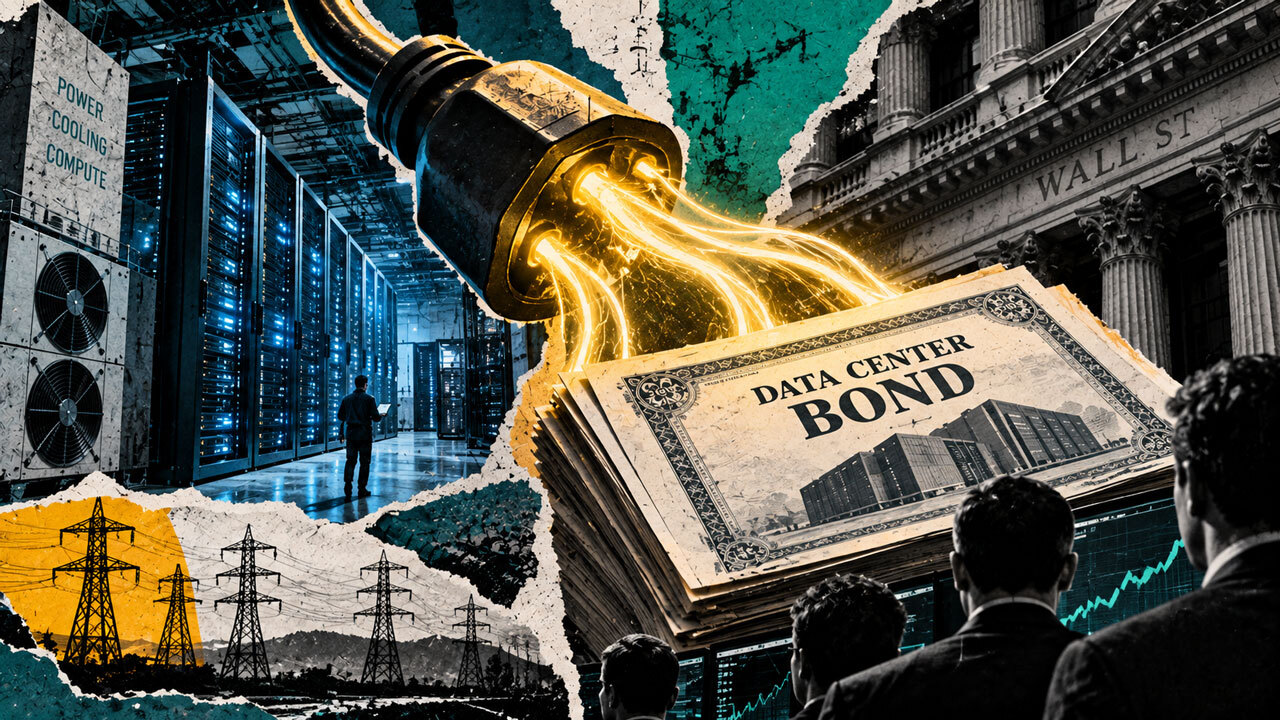
Wall Street is capitalizing on the AI sector’s insatiable hunger for electricity by securitizing the debt used to build and operate massive data centers. By bundling the predictable cash flows from data center leases and long-term power usage agreements, financial institutions have created a $61 billion bond market. This financial innovation allows infrastructure developers to scale physical facilities quickly to meet the processing and cooling needs of modern large language models.
The process involves issuing asset-backed securities (ABS) where the collateral is the data center itself and its contracts with major tech firms. As AI operations require significantly more electricity than traditional cloud storage, the costs and the resulting financing needs have skyrocketed. This shift represents a transition of AI from a speculative software play into a massive, tangible physical infrastructure asset class that rivals traditional real estate in scale.
In the U.S., this trend is forcing a transformation in energy policy and utility management. Regulators and grid operators are increasingly scrutinizing how these massive power draws affect local electricity prices and grid stability. For investors, these bonds offer a way to gain exposure to the AI boom's physical "picks and shovels" without the extreme volatility typically associated with individual tech stocks or crypto assets.
This development has significant implications for the cryptocurrency sector, particularly Bitcoin miners who operate similar high-density power facilities. As Wall Street pours billions into AI-specific power infrastructure, major Bitcoin miners like Core Scientific and Hut 8 are increasingly pivoting their business models to host AI hardware. The availability of this $61 billion specialized debt market could accelerate this transition, as miners seek to refinance their facilities to chase higher-margin AI contracts.
Looking ahead, investors should watch for more Bitcoin miners announcing High-Performance Computing (HPC) conversions to tap into these institutional bond markets. Additionally, monitoring U.S. state-level energy regulations will be crucial, as the growing competition for electricity between AI and crypto mining could lead to new power caps or tiered pricing in energy-heavy regions like Texas.