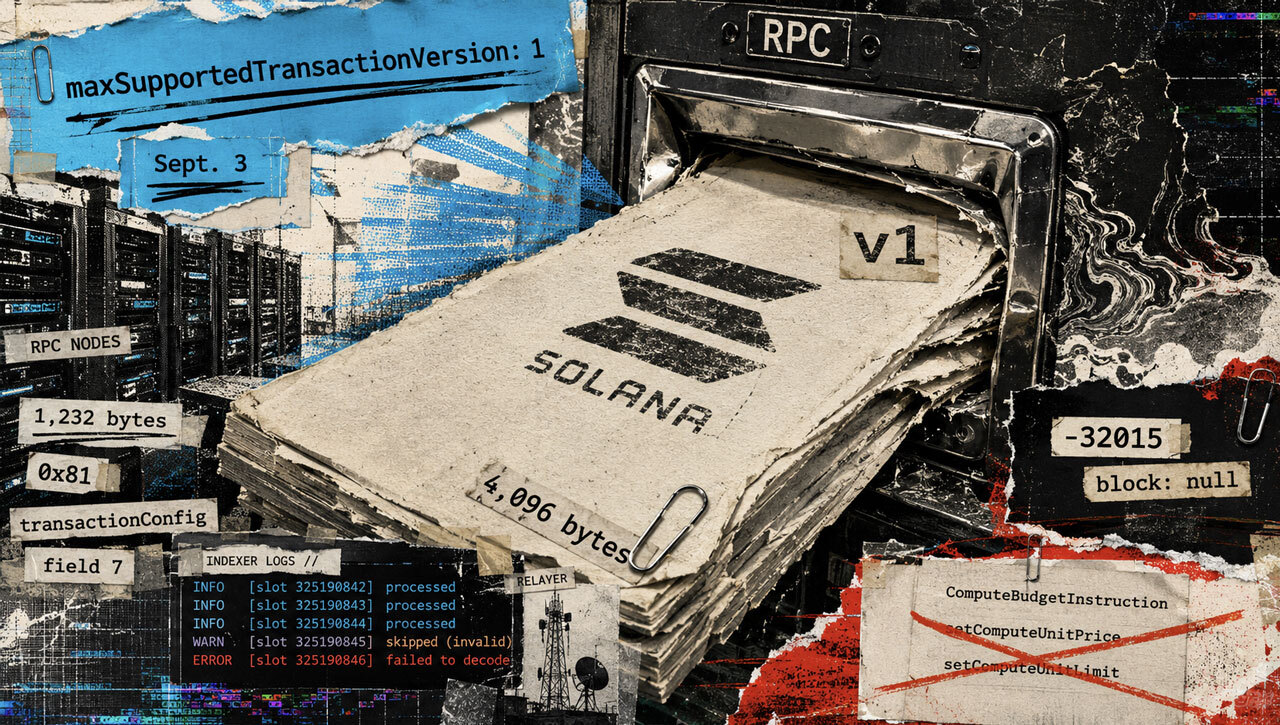
The recently discovered bug in the pending Solana upgrade poses a significant risk to the network's data infrastructure by potentially freezing "network readers"—such as indexers and data streams—and disabling built-in fee limits. While the mainnet activation for these new features is still pending, the vulnerability necessitates an urgent update cycle for any service provider interacting with the blockchain's transaction flow. If incompatible indexers and RPC providers do not update their software before the first version 1 transaction occurs, they risk falling out of sync with the live network, leading to inaccurate data reporting or total service outages.
The technical issue stems from how the new upgrade handles transaction formats and resource management. Specifically, the bug could lead to a scenario where fee limits are bypassed, potentially allowing certain transactions to consume excessive network resources without paying the appropriate costs. For infrastructure providers like Remote Procedure Call (RPC) nodes and data sponsors, this creates a critical window where they must transition to compatible software versions to ensure that Solana’s high-speed throughput remains stable and predictable under the new protocol rules.
For US-based traders and institutional users, this situation highlights the ongoing technical challenges associated with Solana’s rapid development cycle. While the network has historically struggled with uptime, the proactive identification of this bug by developers suggests a maturing ecosystem that is increasingly capable of catching critical flaws before they reach production. However, the manual nature of these updates for third-party sponsors adds a layer of operational risk for decentralized applications (dApps) that rely on real-time data for liquidations or high-frequency trading.
Moving forward, the Solana community is closely monitoring the activation timeline to ensure a seamless transition. The successful deployment of these patches without a network-wide freeze would be a positive signal for Solana’s long-term technical resilience. Investors and developers should watch for official announcements from the Solana Foundation and major infrastructure providers to confirm that the ecosystem is ready for the first v1 transactions.