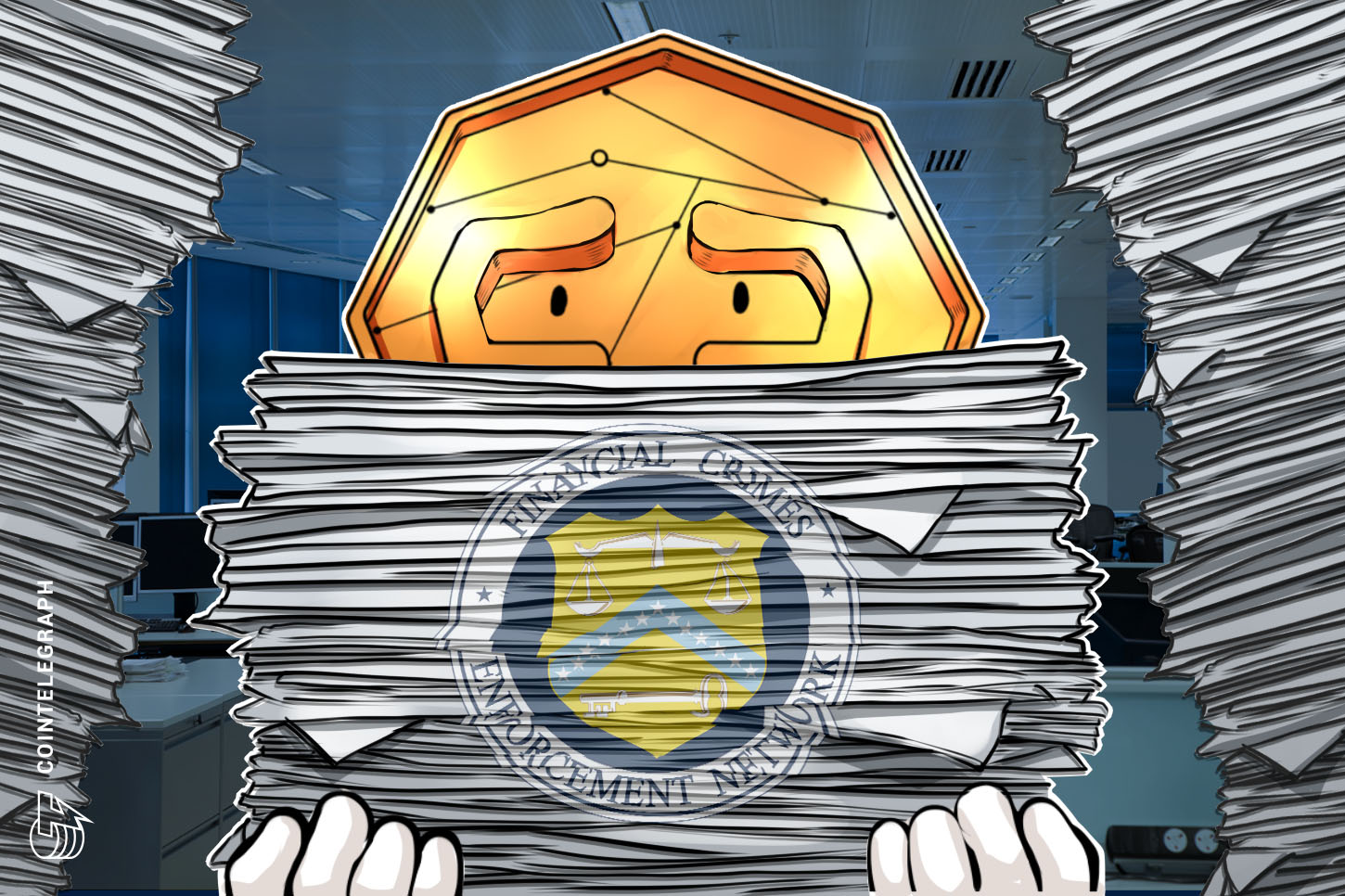
The Financial Crimes Enforcement Network (FinCEN) has formally linked approximately $13 billion in cryptocurrency-related scams to transnational criminal organizations (TCOs) based primarily in Southeast Asia. These groups operate out of dedicated, prison-like compounds in regions such as Myanmar, Cambodia, and Laos, where they utilize forced labor to conduct large-scale digital asset fraud specifically targeting U.S. residents. The report underscores the massive scale of these operations, which have evolved beyond simple phishing into industrial-strength financial exploitation.
According to the agency, these criminal syndicates frequently employ 'pig butchering' tactics, building long-term trust with victims before persuading them to invest in fraudulent crypto platforms. The borderless and pseudo-anonymous nature of digital assets allows these organizations to rapidly move stolen funds across jurisdictions, making recovery exceptionally difficult for U.S. law enforcement. This regional concentration of illicit activity highlights a significant gap in international regulatory enforcement and oversight of virtual asset service providers (VASPs) in the Mekong subregion.
For the U.S. crypto industry, this report signals an impending wave of regulatory pressure focused on international 'choke points.' FinCEN and the Treasury Department are likely to increase their use of targeted sanctions against specific wallet addresses and offshore exchanges that facilitate the laundering of these $13 billion in proceeds. This could lead to stricter compliance mandates for U.S.-based exchanges when handling transfers to or from high-risk jurisdictions in Southeast Asia.
Investors and market participants should watch for new guidance from the Office of Foreign Assets Control (OFAC) and potential legislative efforts to tighten Anti-Money Laundering (AML) requirements. While these findings do not reflect a flaw in blockchain technology itself, the sheer volume of illicit activity provides ammunition for lawmakers seeking more restrictive crypto regulations. Monitoring how U.S. banks react to these 'de-risking' signals will be crucial for maintaining liquidity between the crypto and traditional financial sectors.