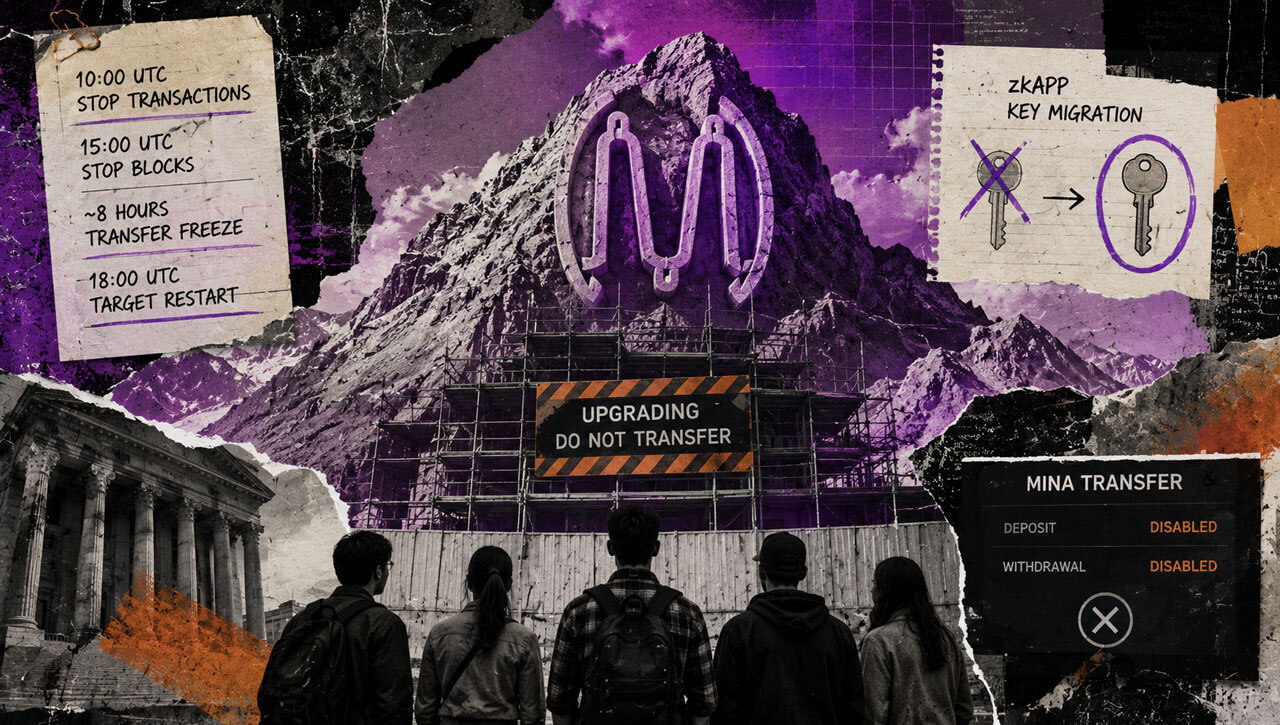
Zero-knowledge applications (ZK-apps) went dark and ceased processing transactions at 10:00 UTC following a major blockchain upgrade that broke their underlying verification keys. This outage occurred because the network's upgrade modified the cryptographic parameters or proof systems, rendering existing on-chain verification keys incompatible with newly generated proofs. Until developers manually update and replace these keys in their smart contracts, all proof-authorized activity remains suspended.
The technical cause of this disruption lies in the sensitivity of ZK-SNARKs and similar protocols to changes in the blockchain's core circuit. When a protocol undergoes a significant hard fork or upgrade, the 'circuit' used to generate a zero-knowledge proof must match the 'verifier' hosted on the blockchain. If the upgrade alters the rules of this verification process, the old keys effectively become obsolete, leading to the total halt of decentralized applications (dApps) that rely on these privacy-preserving proofs.
From a market perspective, this event highlights the operational risks inherent in the rapidly evolving ZK-technology sector. While these chains aim to provide superior privacy and scalability, the maintenance burden placed on developers during protocol migrations can lead to unexpected downtime. For US-based investors and users, this serves as a reminder that 'cutting-edge' often comes with high technical friction, potentially affecting the short-term reliability of DeFi platforms built on these specific architectures.
Moving forward, the focus shifts to individual development teams who must redeploy their application logic with updated verification keys. Users should expect a staggered recovery as each app completes its respective update. Regulatory and industry observers will likely watch this incident closely, as it underscores the need for more robust migration tools and 'backward compatibility' standards within the ZK-ecosystem to prevent future ecosystem-wide outages.