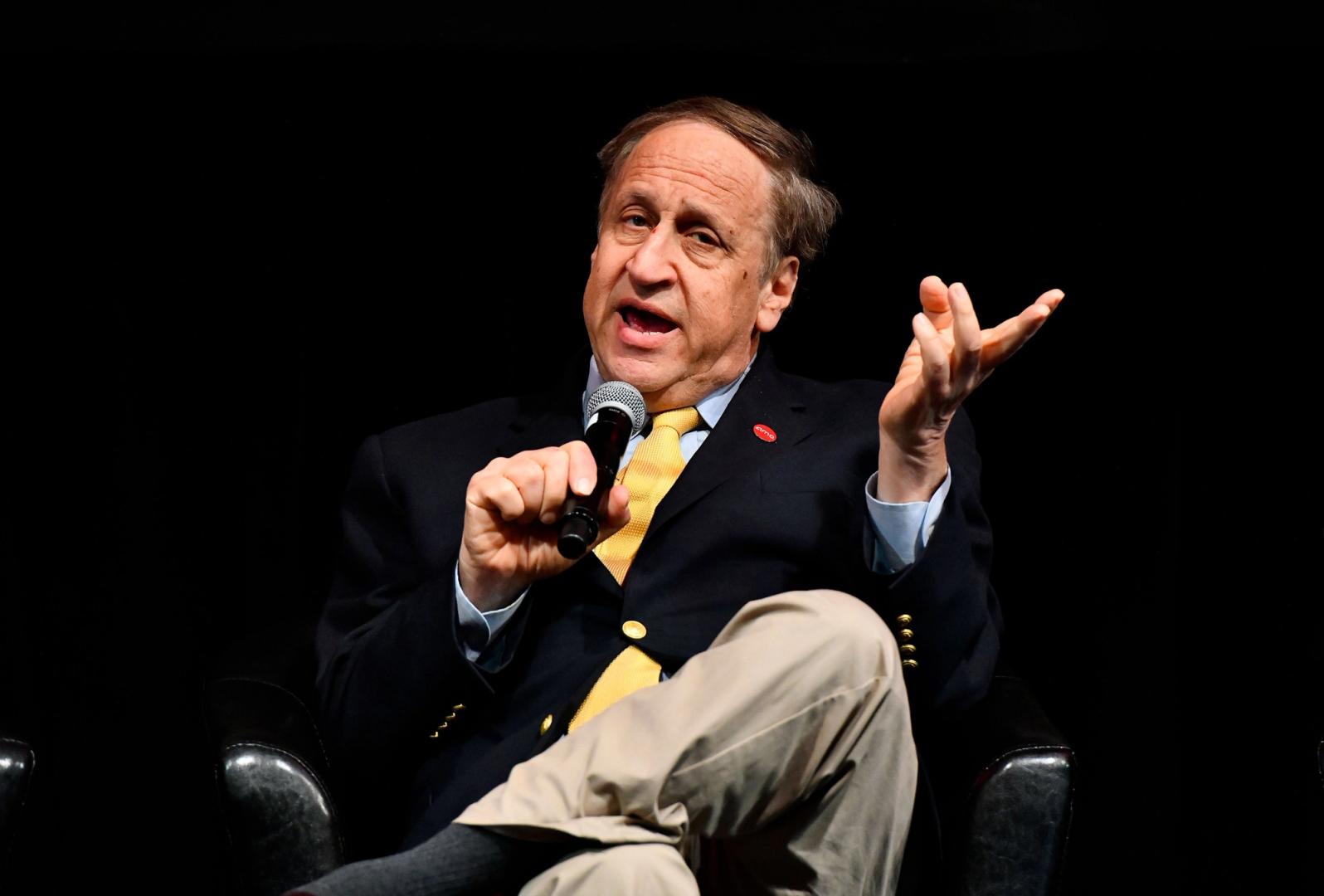
AMC Entertainment CEO Adam Aron is opposing Robinhood’s issuance of synthetic AMC stock tokens because he believes these digital assets pull capital away from the primary equity market, potentially suppressing the price of the actual stock. Aron’s primary concern is that these tokens are derivatives that do not grant investors the voting rights or legal protections inherent to owning real AMC shares. By creating a parallel, synthetic market, Aron argues that platforms like Robinhood are fragmenting liquidity and misleading retail investors who may believe they are contributing to the company’s market capitalization.
The conflict arises as Robinhood and other fintech platforms experiment with 24/7 trading of "tokenized" versions of popular equities. Unlike true tokenized securities—where a digital token represents a 1:1 claim on a share held in a regulated vault—synthetic tokens are often price-tracking derivatives that do not involve the purchase of the underlying asset. Industry executives have joined the debate, with some supporting Aron’s view that synthetic products lack the transparency and accountability required for a healthy market, while others argue that tokenization is an inevitable evolution of finance.
From a regulatory perspective, this dispute highlights a significant gap in current US oversight. The Securities and Exchange Commission (SEC) has previously scrutinized "synthetic" assets that mimic the price of securities without proper registration. If AMC succeeds in forcing a halt to these tokens, it could set a legal or corporate precedent that prevents other "meme stocks" from being traded as unregulated digital derivatives. This would be a blow to the "Real World Asset" (RWA) narrative that many crypto platforms are currently pushing to attract retail volume.
Market participants should watch for a potential response from the SEC or FINRA regarding the classification of these synthetic stock tokens. If regulators decide that these products constitute unregistered securities or violate exchange rules, Robinhood and similar platforms may be forced to delist them globally. For investors, this serves as a reminder that holding a crypto-based token of a stock does not equate to legal ownership of the company, leaving them vulnerable during corporate actions like dividends or proxy votes.