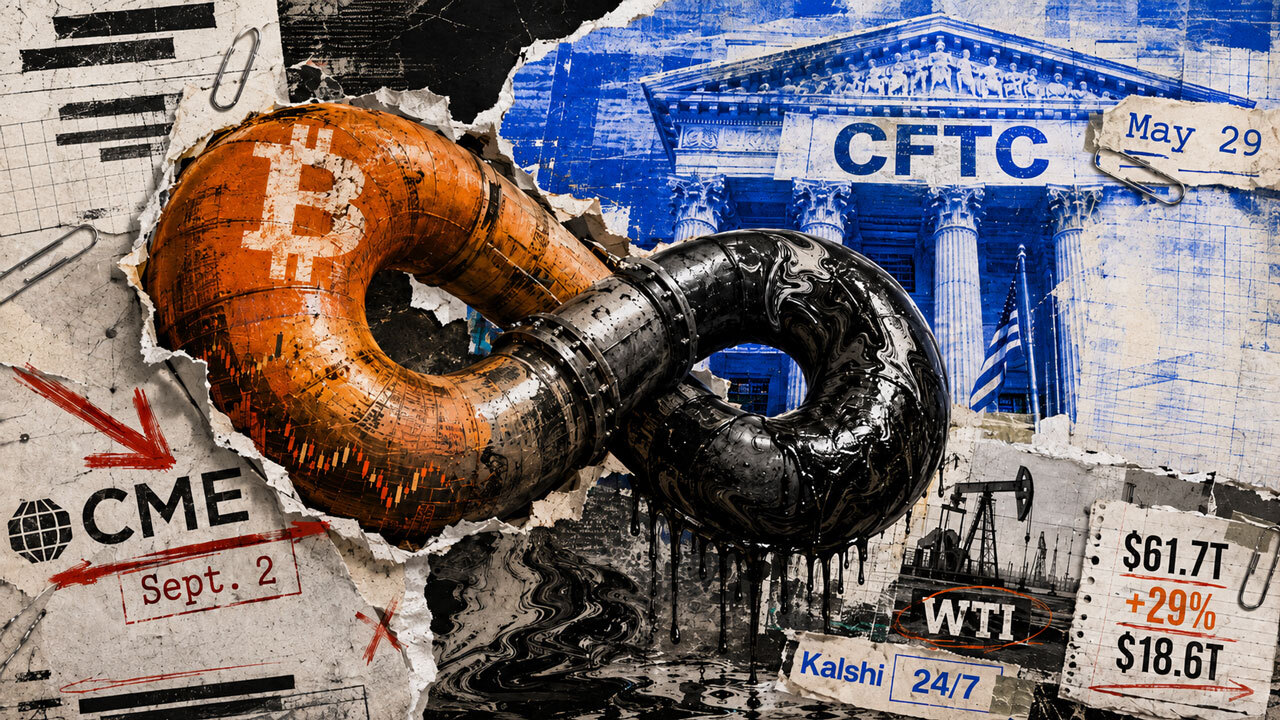
Perpetual contracts, a staple of the international crypto market, are now making significant inroads into U.S. regulated financial sectors through Bitcoin-based products and proposed West Texas Intermediate (WTI) oil contracts. Unlike standard futures contracts that expire monthly or quarterly, perpetual contracts—or 'perps'—allow traders to hold positions indefinitely using a funding rate mechanism. This expansion is currently testing the 'market perimeter' of U.S. jurisdictions, as firms look to bring the high-leverage and high-liquidity benefits of crypto-native instruments to traditional American commodities.
The push into the U.S. market comes amid intense legal maneuvering. Currently, a prominent financial regulator is seeking to dismiss a lawsuit related to the operation of these contracts, signaling a cautious but defensive stance toward how these products are classified under existing law. The integration of perps into the U.S. ecosystem represents a convergence between decentralized finance (DeFi) trading mechanics and the highly regulated world of West Texas Intermediate oil futures, traditionally the domain of the NYMEX and CME.
For market participants, the arrival of regulated perpetual contracts could mean lower costs for long-term hedging, as traders would no longer need to 'roll' their positions into new contracts and incur associated fees. However, the regulatory friction surrounding these products suggests that their adoption will not be seamless. The outcome of current litigation and the success of WTI perp pilots will determine whether this instrument becomes a standard tool for American retail and institutional investors alike.
Moving forward, investors should watch for specific rulings on the legality of perpetual funding rates in the U.S., as well as the potential for other commodities like gold or natural gas to follow the WTI lead. If the regulator succeeds in dismissing current challenges while allowing these products to operate within specific guardrails, it could unlock a new wave of capital for Bitcoin-related derivatives and traditional energy markets.