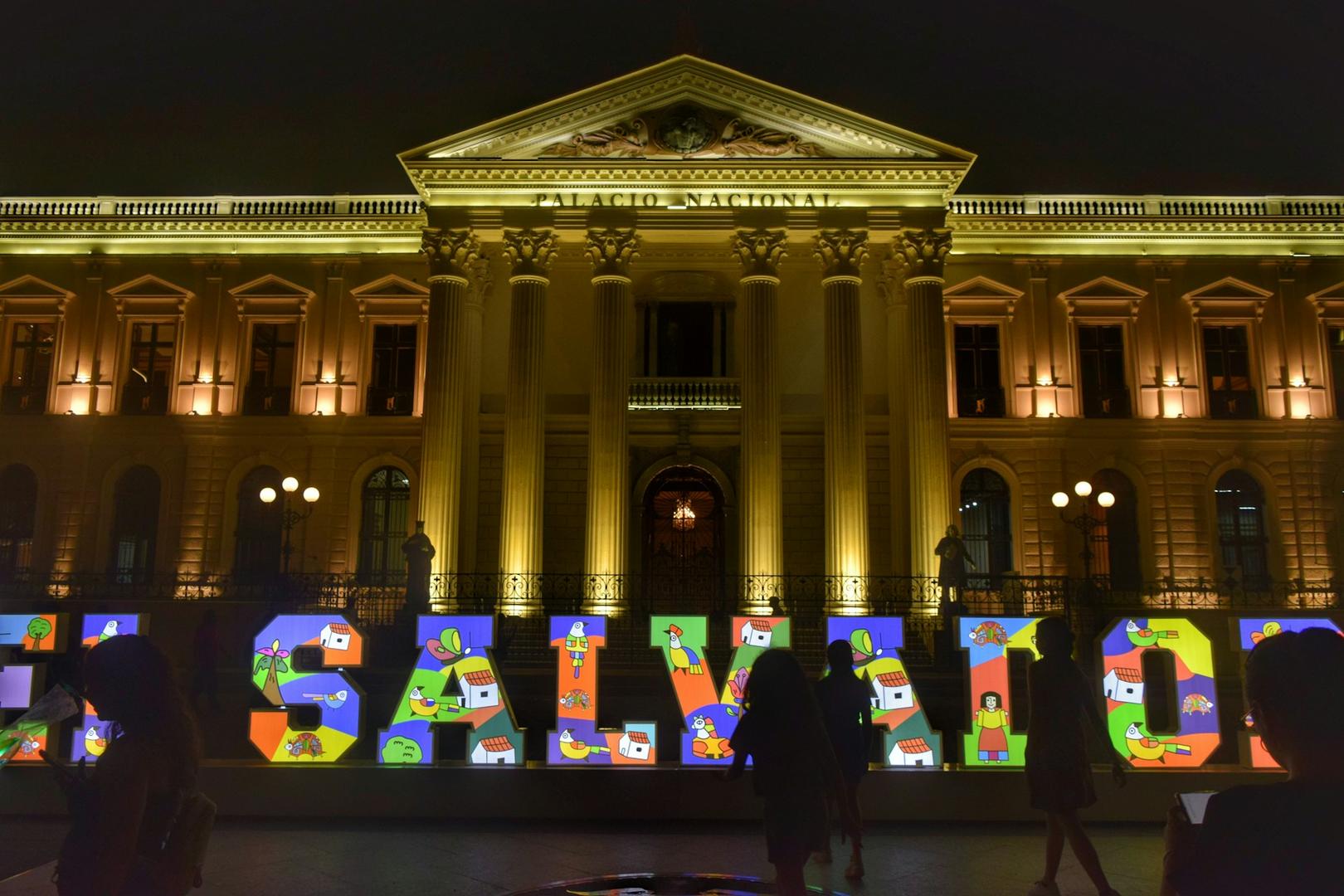
The International Monetary Fund (IMF) has verified that the Bitcoin added to El Salvador’s official sovereign holdings since mid-2024 was acquired through private donations, with no taxpayer or public money used for these purchases. This confirmation clarifies the source of the country’s growing BTC reserves, addressing a major point of contention between the Bukele administration and international financial observers. By utilizing private contributions, the Salvadoran government has effectively expanded its digital asset portfolio without drawing from the national treasury.
This development comes at a critical time for El Salvador's geopolitics, as the country continues to seek a $1.4 billion loan from the IMF to stabilize its economy. The IMF has historically been a vocal critic of the nation's 2021 decision to adopt Bitcoin as legal tender, citing concerns over financial stability, consumer protection, and the potential for money laundering. The proof that public funds were not diverted for recent BTC purchases could serve to soften the IMF’s stance regarding fiscal mismanagement.
For the broader crypto market, this news highlights a unique model of nation-state Bitcoin adoption. While other nations might consider direct treasury allocations, El Salvador’s reliance on donations suggests a community-backed approach that bypasses traditional budgetary hurdles. This distinction helps separate the country’s crypto ambitions from its immediate sovereign debt obligations, potentially lowering the risk profile associated with its Bitcoin experiment in the eyes of institutional investors.
Moving forward, market participants should watch for the official release of the IMF’s full Article IV staff report, which will provide deeper insights into El Salvador's transparency measures. Additionally, the identity and nature of these private donors remain a key point of interest, as their continued support could dictate the pace of El Salvador's future Bitcoin accumulation. If the IMF eventually reaches a formal agreement with the country, it could set a precedent for how global financial institutions interact with pro-crypto governments.