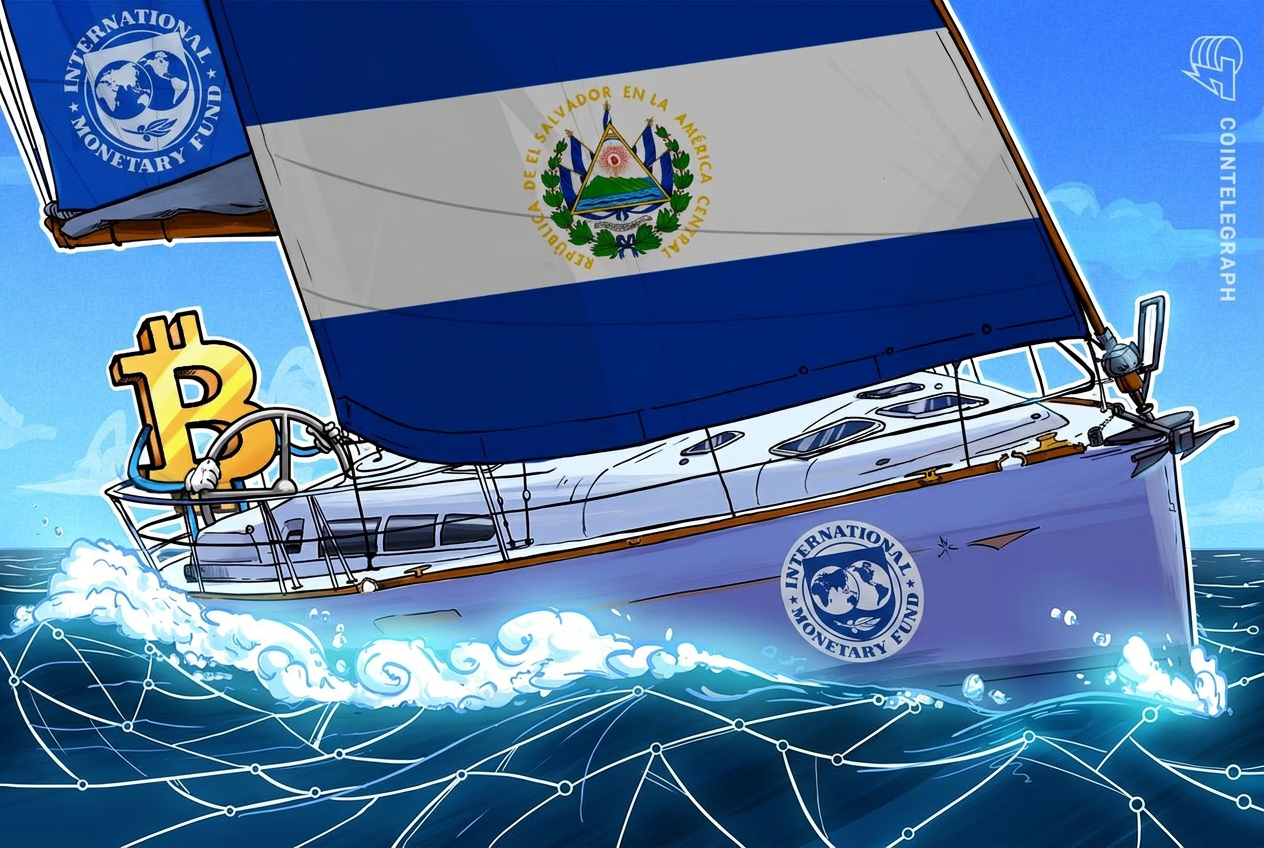
El Salvador did not use public funds to acquire its most recent Bitcoin holdings, according to the International Monetary Fund (IMF). The fund clarified that the approximately $100 million in BTC added to the nation’s treasury since June 2025 originated from private donations. This distinction is critical as it shields the national budget from the volatility and risks associated with the country’s ongoing cryptocurrency experiment, a point of contention for international financial institutions.
The clarification follows a period of heightened scrutiny over President Nayib Bukele’s Bitcoin accumulation strategy and the source of the nation's digital asset wealth. When El Salvador first adopted Bitcoin as legal tender in 2021, the IMF expressed significant concerns regarding fiscal stability and consumer protection. By attributing these new acquisitions to private sources, El Salvador may be attempting to de-risk its balance sheet in the eyes of global creditors while maintaining its pro-crypto stance.
This news comes as El Salvador continues negotiations with the IMF for a multi-billion dollar credit facility. The source of funding for Bitcoin purchases has been a recurring roadblock in these talks. Demonstrating that Bitcoin accumulation is happening via donations—perhaps from wealthy individuals or crypto entities—rather than state coffers could pave the way for a more favorable lending agreement, as it reduces the IMF's concerns about public debt sustainability.
For the crypto market, this development suggests that El Salvador’s accumulation strategy may be more sustainable than critics previously thought. Investors should watch for further transparency reports from the Salvadoran government and official statements from the IMF regarding the finalization of their loan program. If the IMF formally accepts this private donation model, other debt-laden nations might look to El Salvador as a blueprint for integrating crypto without jeopardizing traditional financial aid.