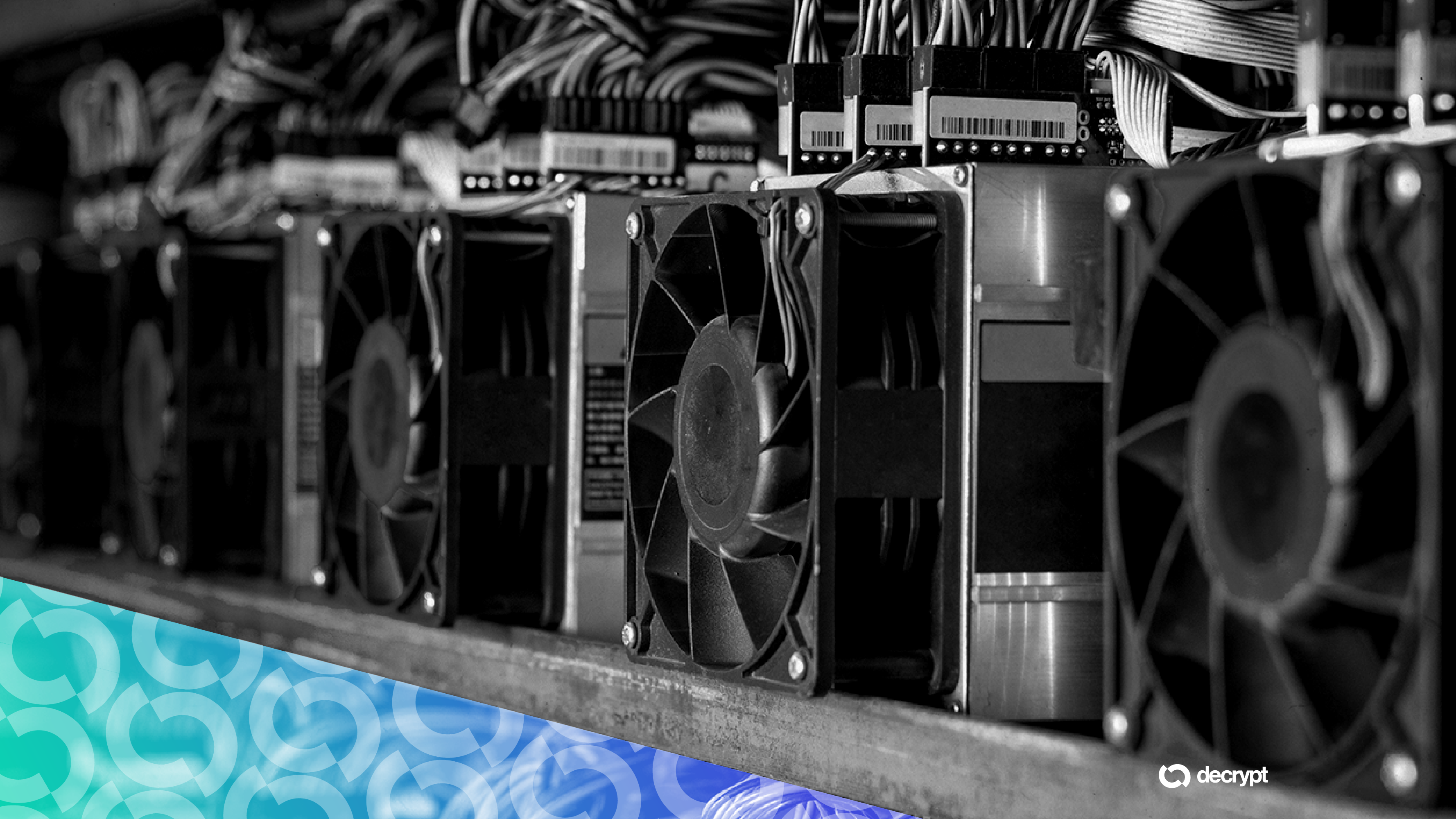
Bitcoin mining firms are increasingly pivoting their business models toward Artificial Intelligence and High-Performance Computing (HPC) to hedge against the volatility of cryptocurrency markets. By repurposing existing power-dense sites, miners can secure massive contracts—like the current deal projected at $1.2 billion—that offer predictable cash flow compared to the fluctuating profitability of mining Bitcoin. This specific agreement includes two contract extensions and options for additional capacity that could push the total valuation above $3 billion.
This trend is largely driven by the post-halving environment in the United States, where the reduction in BTC rewards has squeezed margins for less efficient operations. AI companies are currently facing a desperate shortage of data center space and power capacity, making the ready-made infrastructure of large-scale Bitcoin mines highly valuable. For miners, the shift represents a transition from being a speculative participant in the crypto ecosystem to becoming a critical infrastructure provider for the broader tech industry.
From a regulatory and geopolitical perspective, this move could help mining companies navigate growing scrutiny over energy consumption. By providing computing power for AI, which is viewed as a strategic national priority in the U.S., these firms may find more favorable reception from local governments and energy regulators. This pivot also mitigates the risk of BTC price downturns, as AI hosting contracts are typically long-term and denominated in USD with fixed rates.
Market analysts are watching closely to see how this affects the total Bitcoin network hash rate. If more large-scale miners 'ditch' their sites in favor of AI, the growth of the network's difficulty could slow, potentially benefiting the remaining pure-play miners. However, the immediate market implication is a boost to the valuations of companies that successfully bridge the gap between crypto and AI, as investors reward the diversification of risk.
Moving forward, investors should monitor upcoming quarterly reports to see how much hash rate is being taken offline to accommodate these AI deals. The key metric will be the 'opportunity cost' of giving up Bitcoin mining capacity versus the guaranteed revenue of HPC hosting. As more mining firms compete for AI contracts, the race for power-ready land in the U.S. will likely intensify, further intertwining the crypto and tech sectors.