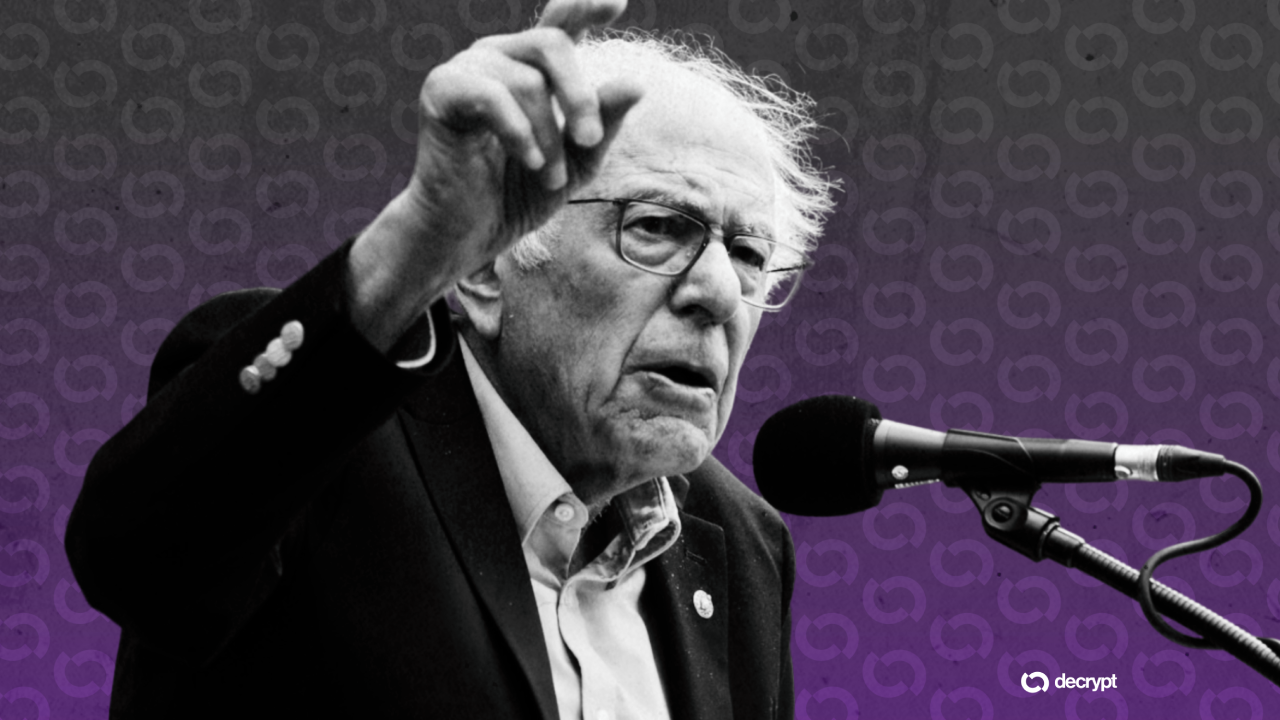
Senator Bernie Sanders’ new legislative proposal aims to impose a mandatory pause on the development of advanced artificial intelligence models while establishing a dedicated federal agency to oversee the sector. Most notably, the bill introduces harsh criminal liability for developers and organizations that bypass these restrictions, with potential prison sentences of up to 20 years. This move marks one of the most aggressive regulatory attempts to date to curb the rapid expansion of high-compute AI capabilities within the United States.
The bill is centered on the concern that unchecked AI growth poses existential risks to labor markets, data privacy, and public safety. By pausing "advanced" AI—typically defined by the massive scale of computational power used for training—Sanders seeks to give lawmakers and the new federal regulator time to establish comprehensive safety standards. The proposed agency would centralize authority, moving oversight away from the current patchwork of voluntary agency guidelines and into a single, specialized body with significant enforcement powers.
For the cryptocurrency and Web3 sectors, this bill carries significant implications as the two industries increasingly converge. Many decentralized protocols now integrate AI for smart contract auditing, automated trading, and data analysis. If the definition of "advanced AI" is broad, developers of decentralized AI networks or blockchain-based GPU sharing platforms could find themselves under the crosshairs of federal investigators. Such heavy-handed regulatory pressure could potentially drive innovation and technical talent offshore to jurisdictions with more permissive frameworks.
Investors and tech leaders should closely monitor the specific technical thresholds used to define "advanced AI" in the bill's text, as these will determine which startups are at risk. Additionally, the level of bipartisan support for these strict criminal penalties will be a key indicator of the broader US regulatory climate for emerging technologies. While the bill faces a challenging path through a divided Congress, its introduction signals a growing political appetite for placing restrictive "guardrails" on the high-compute technologies that underpin the next generation of the digital economy.