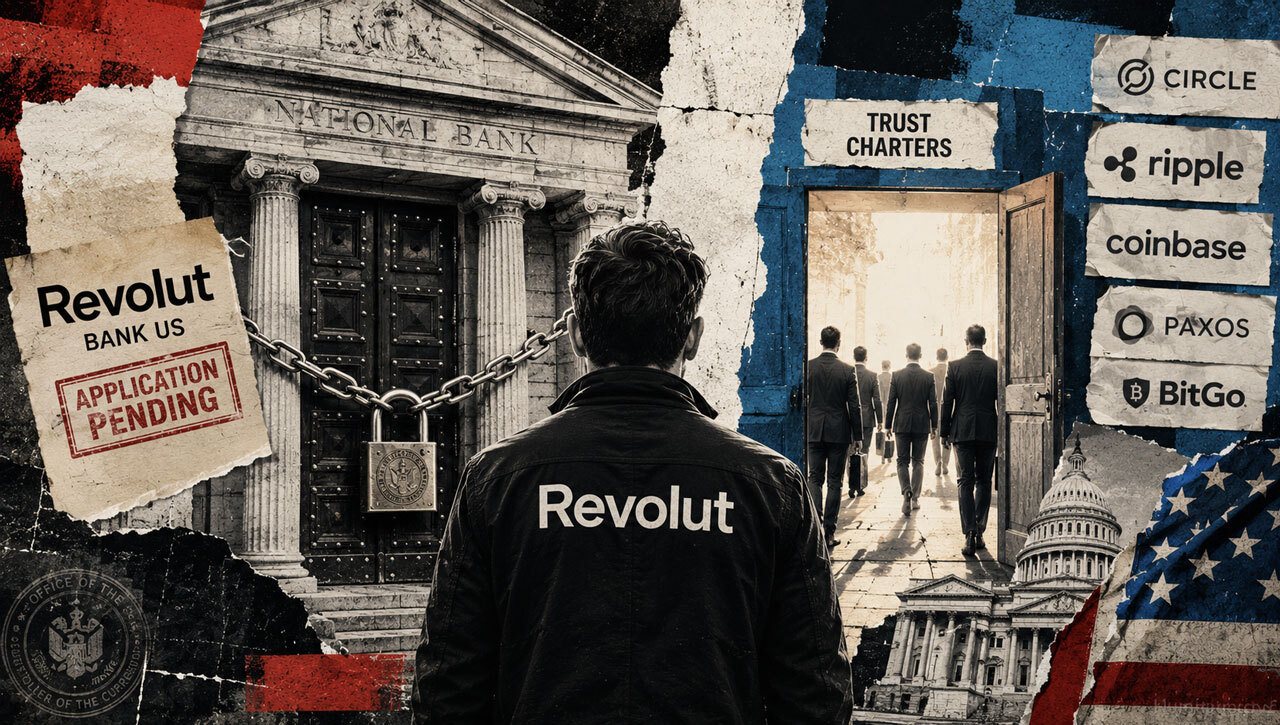
Revolut’s bid to become a fully licensed, insured national bank in the United States is currently in regulatory limbo, with its applications to the Office of the Comptroller of the Currency (OCC) and the FDIC remaining pending for nearly six months. While the firm aims to offer comprehensive services including FDIC-insured deposits, credit cards, and direct access to Fedwire and ACH systems, federal regulators have not yet granted the necessary approvals. This delay suggests that the perceived 'crypto boom' in Washington may be more of an illusion for fintech firms, as regulators appear to be moving slower on digital-native applications compared to traditional banking conversions.
The application, filed on March 4 to establish 'Revolut Bank US,' was intended to move the company beyond its current status as a financial super-app and into the realm of a primary retail bank. However, the contrast between Revolut's stagnant status and the conditional approvals granted to other institutions during the same period has led to accusations of a two-tier banking system. Critics argue that foreign-origin fintechs with strong crypto ties are being held to an opaque and protracted standard that limits their ability to compete with legacy American banks.
For the broader cryptocurrency and fintech ecosystem, this situation serves as a reality check regarding the speed of US regulatory integration. While Washington politicians often speak of fostering financial technology, the actual licensing process remains a significant bottleneck. This regulatory friction forces firms like Revolut to continue relying on third-party partner banks, which increases operational costs and limits their control over the user experience and internal settlement processes.
Investors and industry observers should closely watch for any formal feedback from the OCC or FDIC regarding Revolut's compliance or capital requirements. A final decision on this charter will serve as a critical bellwether for whether other global crypto-friendly platforms can successfully bridge the gap into the US federal banking system. If Revolut fails to secure the charter, it may signal a long-term defensive posture from federal regulators against the integration of digital asset firms into the core financial infrastructure.