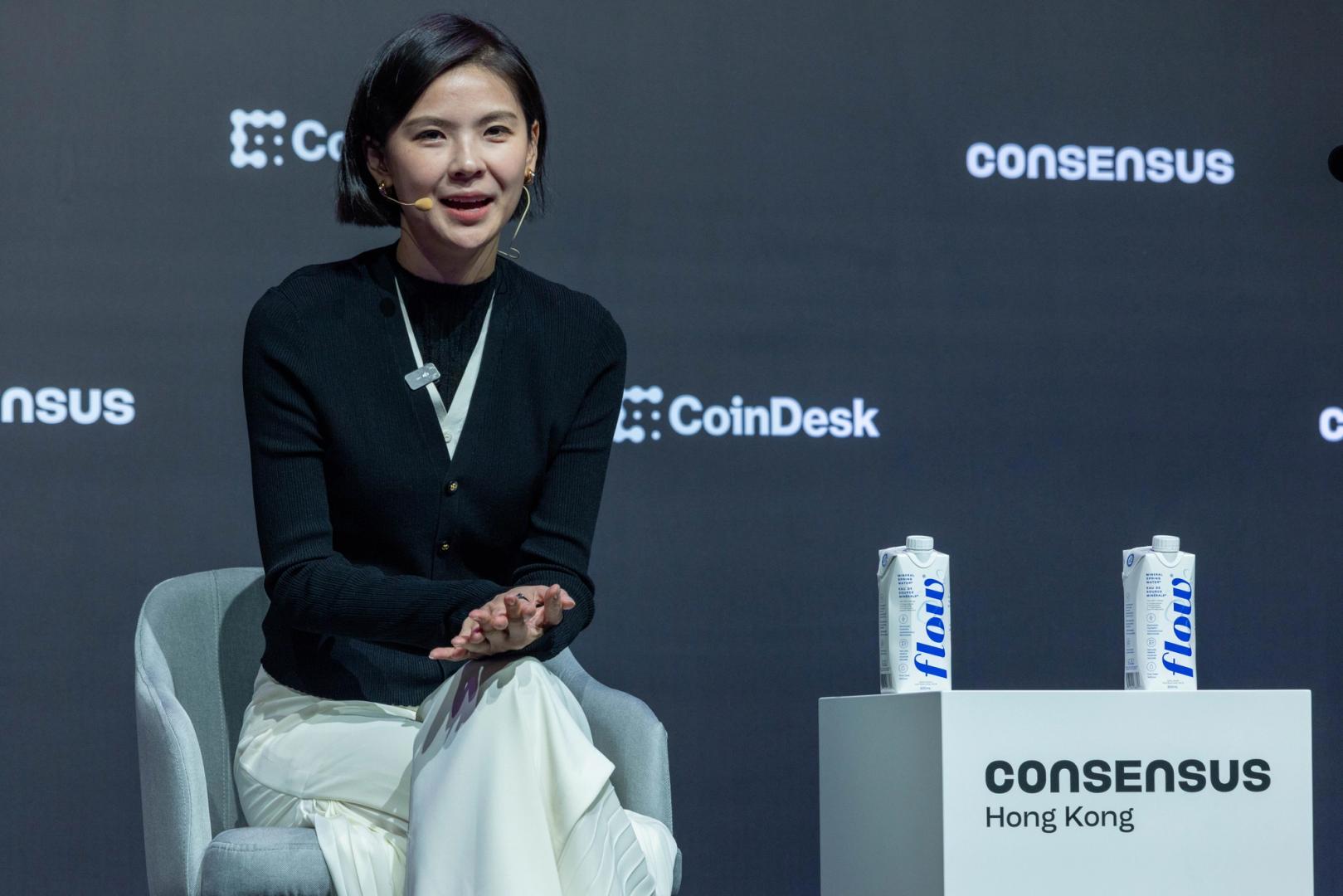
Bitget CEO Gracy Chen has confirmed that the exchange is in active talks with major US financial institutions, most notably BlackRock, to act as a distribution partner for tokenized Exchange-Traded Funds (ETFs) in Asia. The initiative aims to bridge the gap between traditional asset management and regional digital asset demand, allowing firms like BlackRock to utilize Bitget’s established infrastructure to reach a broader audience of crypto-native investors.
The discussions come as the financial industry increasingly focuses on the 'tokenization' of real-world assets (RWAs). By moving ETF distribution onto the blockchain, institutions can potentially reduce settlement times and operational costs while tapping into the 24/7 liquidity of the crypto market. For BlackRock, which has already established a dominant position in the US spot Bitcoin and Ethereum ETF markets, this represents a strategic expansion of its digital asset footprint into the high-growth Asian corridor.
From a regulatory standpoint, this move highlights the shifting dynamics in jurisdictions like Hong Kong and Singapore, which are actively creating frameworks to support tokenized securities. While US regulators remain cautious about the intersection of crypto exchanges and traditional securities, the willingness of Wall Street giants to engage with platforms like Bitget suggests a pragmatic approach to global distribution that bypasses domestic bottlenecks.
Market participants should watch for formal partnership announcements or licensing filings in key Asian hubs, as these will signal the start of a new phase in institutional crypto adoption. If successful, this model could serve as a blueprint for how other US-based asset managers distribute tokenized products globally, potentially driving significant capital inflows into the broader digital asset ecosystem.