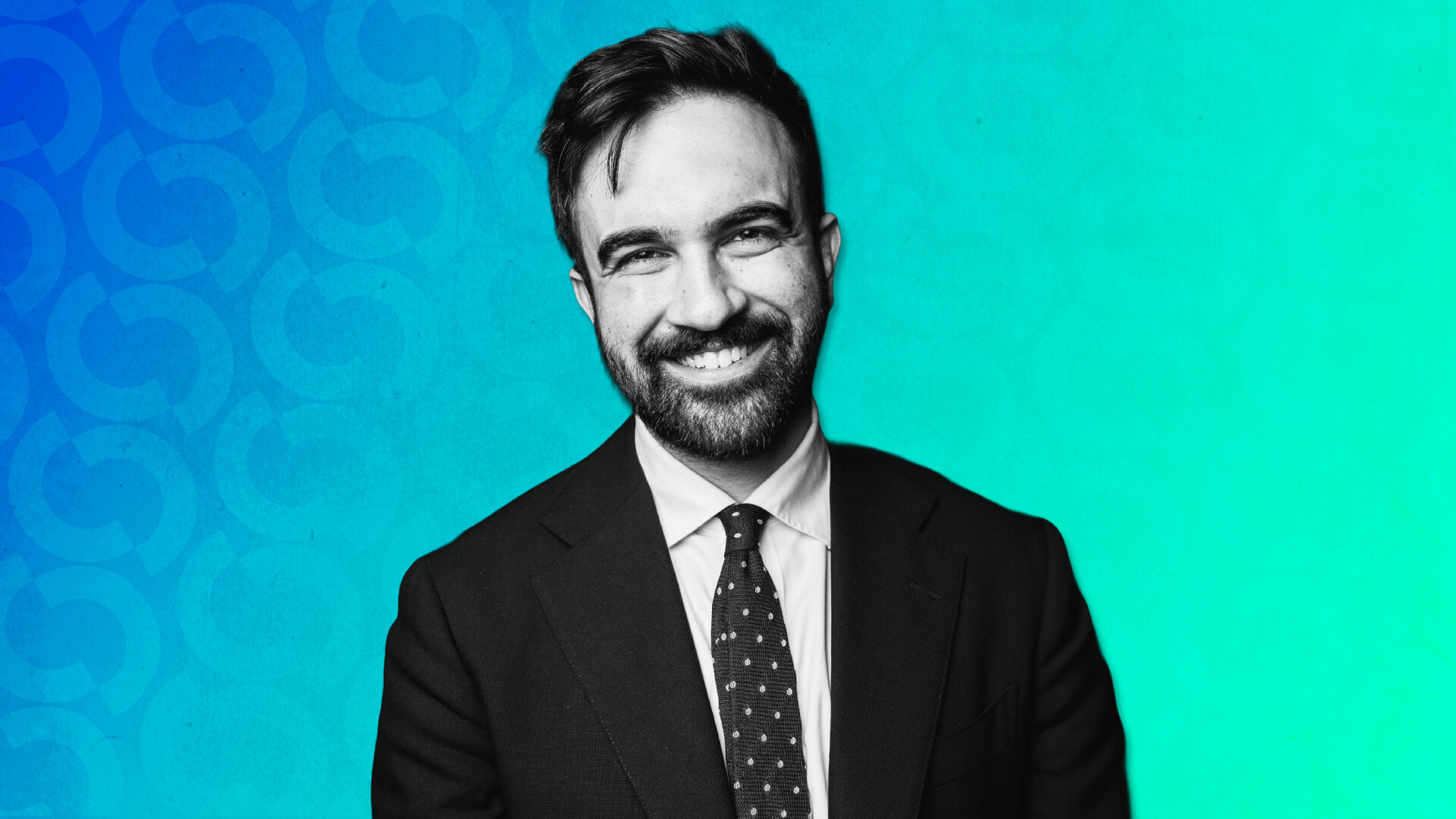
The one-year moratorium on generative AI tools in New York City schools, spearheaded by Zohran Mamdani, will immediately impact nearly 600,000 students by removing general access to these technologies. While the ban is widespread, the policy includes a specific exemption for five named vendors who will maintain metered pilot programs in high schools. This structured pause is intended to give the Department of Education time to establish clearer guidelines regarding data security, algorithmic bias, and academic integrity.
This regulatory shift highlights a growing friction between the rapid deployment of artificial intelligence and the safety standards required by public institutions. By restricting general use while maintaining controlled pilots, NYC is effectively moving toward a 'permissioned' model of technology adoption. This mirrors broader trends in the tech and blockchain sectors where regulatory uncertainty often leads to temporary freezes on innovation until compliance frameworks are solidified.
For investors and builders in the decentralized AI (DeAI) and broader technology sectors, this moratorium serves as a case study in localized regulatory risk. As AI agents and large language models (LLMs) seek deeper integration into public infrastructure, they face significant headwinds from policymakers concerned about centralized control and data sovereignty. The success or failure of the five approved pilots will likely determine the long-term viability of AI tools in the nation’s largest school district.
Looking forward, market participants should watch for similar legislative moves in other major U.S. metropolitan areas. If more cities follow New York's lead, the speed of mass-market AI adoption could slow significantly, potentially impacting the valuations of companies providing AI infrastructure. The results of the metered high school pilots will be the primary indicator for whether NYC reopens the door to generative AI in 2026.