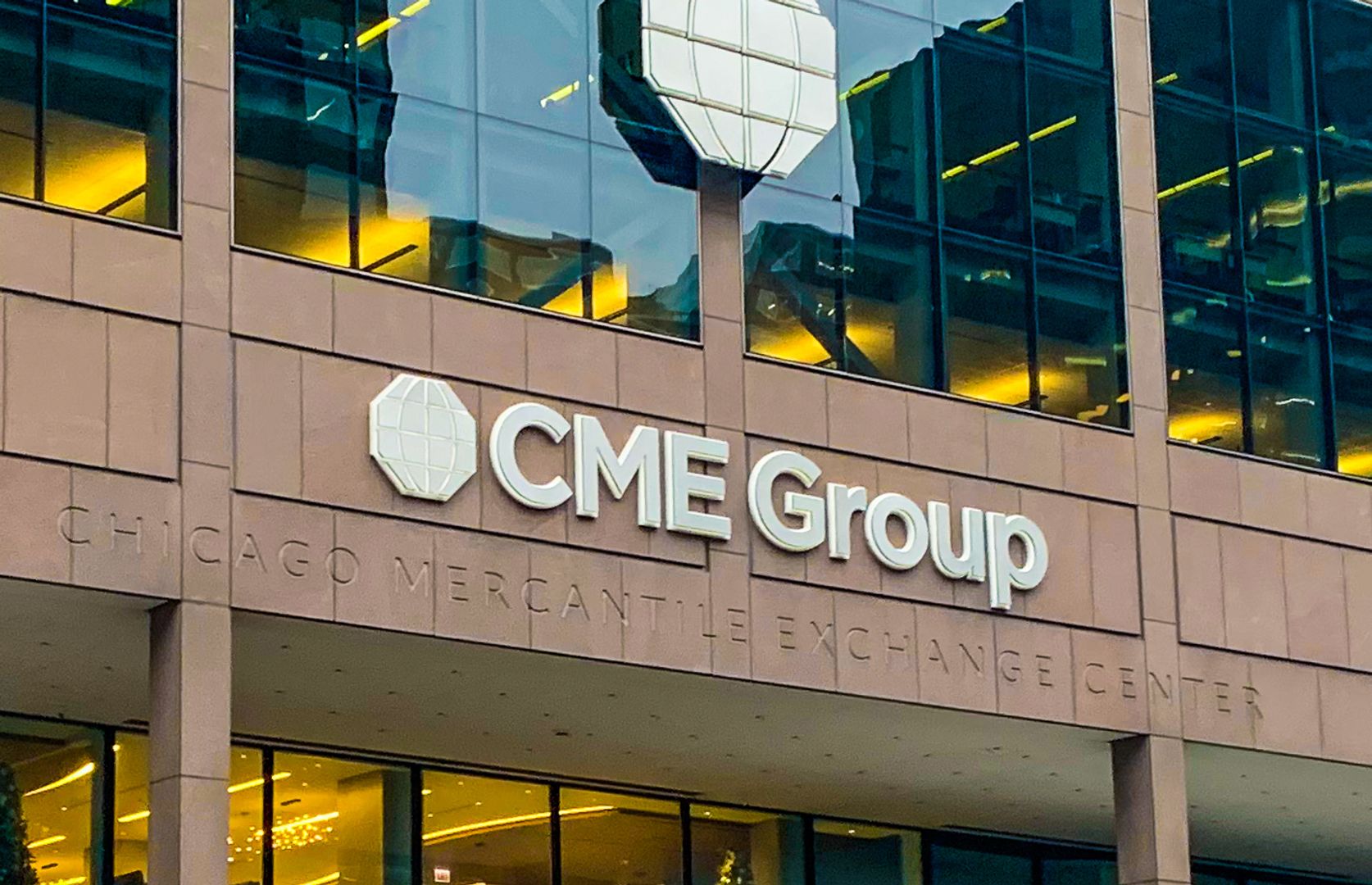
The Commodity Futures Trading Commission (CFTC) has filed a motion to dismiss a lawsuit brought by the Chicago Mercantile Exchange (CME), characterizing the legal dispute as "much ado about nothing." The regulator’s central argument is that the order in question does not grant preferential treatment to any specific firm; rather, it allows any designated contract market (DCM), including the CME itself, to list crypto perpetual futures products provided they meet standard regulatory requirements.
The conflict originated from concerns that the CFTC’s handling of crypto-native derivative approvals might give certain platforms an unfair advantage or bypass traditional oversight procedures. Perpetual futures, which are high-volume trading instruments that do not have an expiration date, have long been a staple of offshore crypto exchanges but have faced a complex path to regulation within the United States. By moving to dismiss, the CFTC is asserting its authority to integrate these products into the existing regulatory framework for all authorized exchanges.
From a regulatory perspective, this case is a significant indicator of how the CFTC plans to bridge the gap between traditional finance (TradFi) and the digital asset economy. If the court grants the dismissal, it reinforces the CFTC's position that existing rules for contract markets are sufficient to handle the risks associated with crypto derivatives without needing bespoke, exclusionary legislation for every new product type. This could potentially lower the barrier for other US-based institutional exchanges to offer similar crypto products.
Market participants should watch for the judge's ruling on this motion, as a dismissal would likely clear the regulatory fog surrounding US-regulated perpetuals. For investors, this could lead to increased liquidity and a broader range of hedging tools available on domestic platforms. If the CME continues its challenge, however, it could signal a longer period of litigation that might delay the expansion of the US crypto derivatives market.