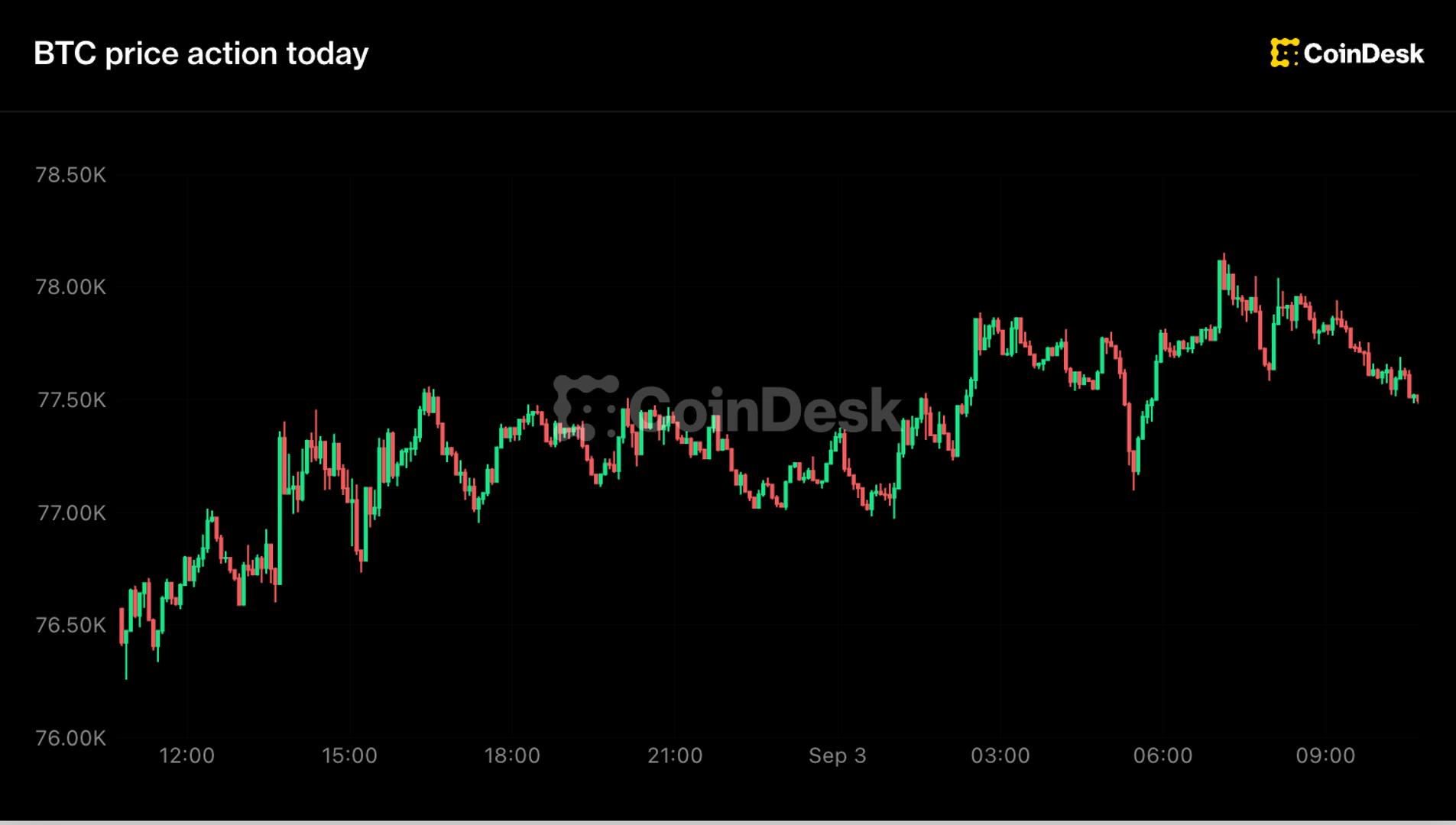
Bitcoin has surged back above $77,500, decoupling from traditional bearish indicators such as higher oil prices and a strengthening Japanese yen. While the broader weekly trend remains slightly negative, the daily recovery suggests that crypto markets are benefiting from a unique macroeconomic environment where global investors are increasingly comfortable holding U.S. assets without significant currency hedging. This suggests that despite global volatility, capital continues to flow into U.S.-focused risk assets like Bitcoin.
The current market environment is characterized by a decade-low level of currency protection on U.S. assets. This lack of hedging indicates that international investors expect U.S. markets to continue outperforming, providing a liquidity tailwind that supports Bitcoin even as energy costs rise. The rally in the Japanese yen, which typically triggers concerns regarding the unwinding of the 'yen carry trade' and puts pressure on risk assets, has so far failed to stall Bitcoin's upward momentum in the daily timeframe.
Higher oil prices usually signal inflationary pressure, which can lead to fears of tighter monetary policy from the Federal Reserve. However, Bitcoin's ability to shrug off these costs indicates a shift in market sentiment where investors prioritize liquidity and store-of-value characteristics over short-term macro fluctuations. The correlation between traditional currency movements and crypto appears to be weakening as Bitcoin establishes a firmer foothold in the current U.S. investment landscape.
Moving forward, traders should monitor the $77,500 support level and the continued movement of the Japanese yen. If the yen continues to rally sharply, it could eventually test the market's low-hedging complacency and lead to volatility. Additionally, any sudden spikes in oil prices could impact energy-intensive sectors like Bitcoin mining and broader inflation expectations, which may influence future Federal Reserve decisions regarding interest rates and market liquidity.