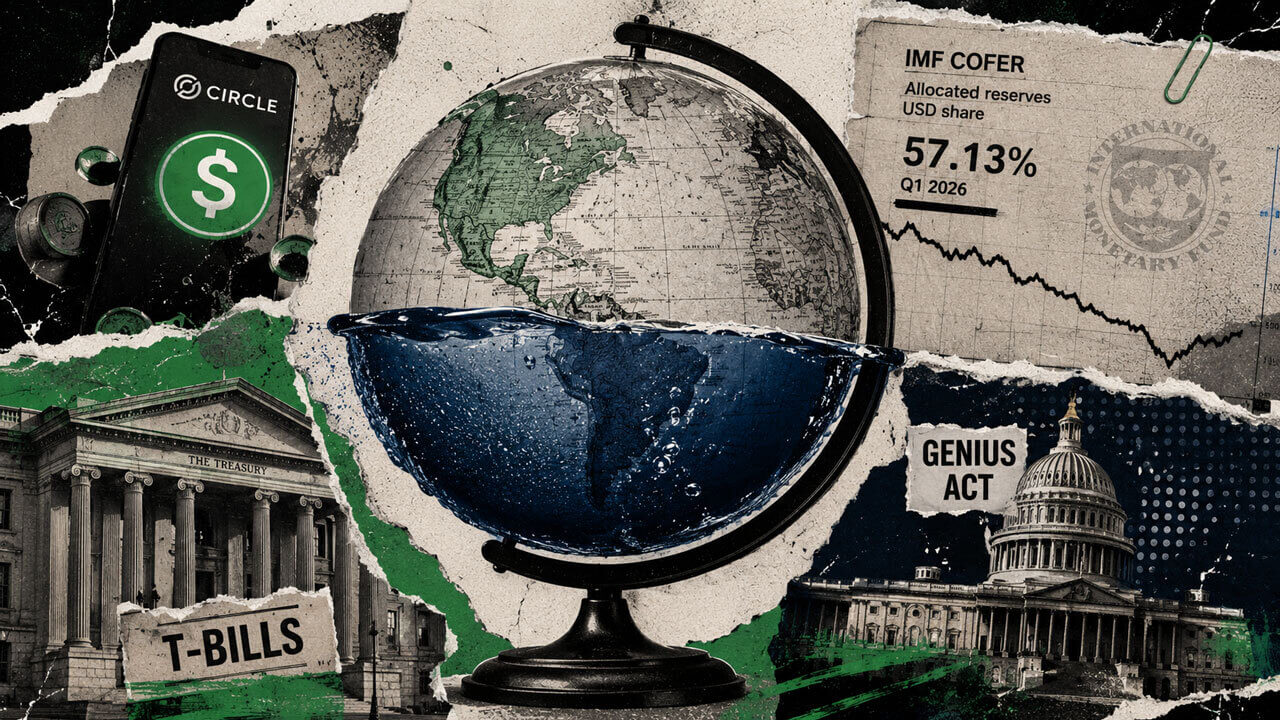
Stablecoins have evolved into a critical pillar of the US Treasury market by acting as significant holders of short-term government debt. By backing their dollar-pegged tokens with Treasury bills, issuers like Tether and Circle are effectively absorbing US debt, a role historically dominated by traditional central banks and institutional investors. This shift allows the private sector to expand the use of digital dollars while simultaneously supporting the liquidity of the US sovereign debt market.
The rise of stablecoins comes at a time when the US Treasury faces increasing pressure to find reliable buyers for its mounting debt. As the national deficit grows, these digital assets provide a market-driven solution that supports the dollar's global dominance. Unlike traditional reserve allocations by foreign central banks, which can be influenced by geopolitical tensions, stablecoin demand is driven by the growing utility of decentralized finance (DeFi) and international payments.
From a geopolitical perspective, this trend strengthens the 'petrodollar' infrastructure in a digital age. By digitizing the dollar and export it through blockchain rails, stablecoins expand the reach of US monetary influence into emerging markets where traditional banking access is limited. US regulators are increasingly recognizing that stablecoins aren't just speculative assets, but are becoming systemic components of the US financial architecture that could influence future monetary policy and debt management.
Investors and market participants should watch for upcoming US stablecoin legislation, such as the Clarity for Stablecoins Act. These regulatory frameworks will likely formalize reserve requirements for issuers, potentially mandating specific allocations to US Treasury bills. Such legislation would further entrench stablecoins as a permanent, regulated fixture in the US debt market, providing a bullish backdrop for the long-term legitimacy of the digital asset ecosystem.