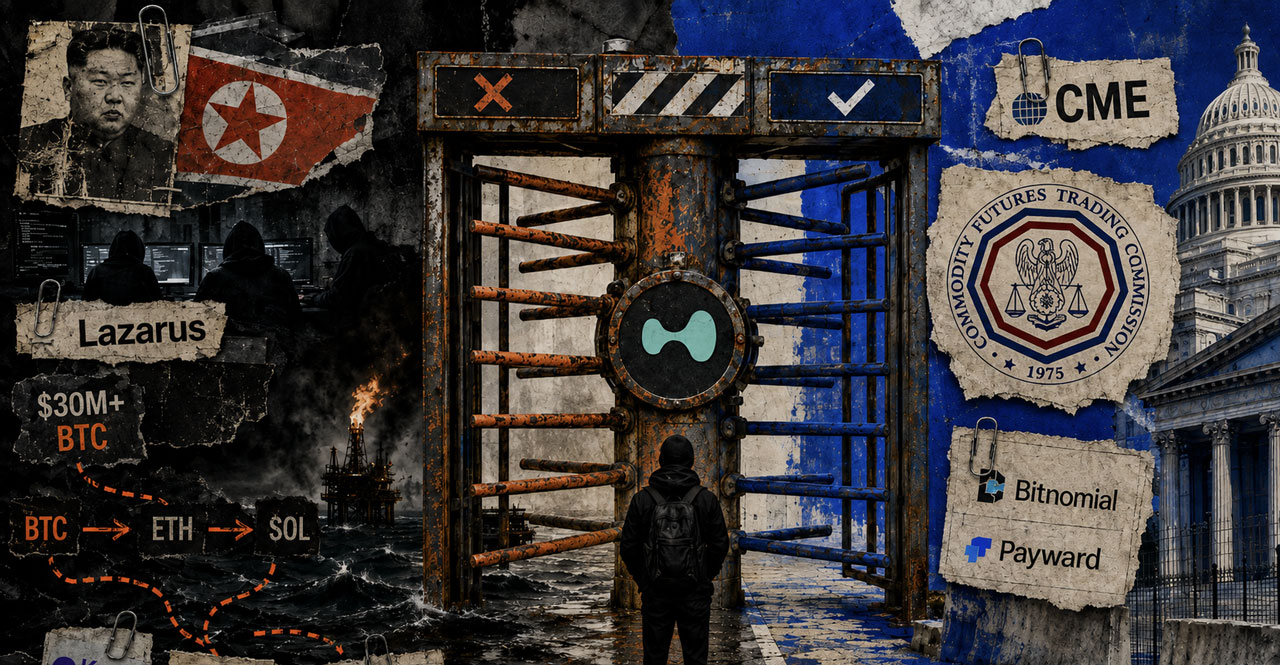
The $30 million Bitcoin cashout by North Korea’s Lazarus Group through the decentralized exchange Hyperliquid is expected to trigger a significant regulatory crackdown on DeFi in the United States. Traditional financial powerhouses, including the CME Group and Intercontinental Exchange (ICE), had already warned Washington in May that the pseudonymous, always-on nature of platforms like Hyperliquid could be used by sanctioned state actors to circumvent international law. This recent activity provides the tangible evidence lawmakers need to argue that decentralized protocols pose a direct threat to national security and must be subjected to strict oversight.
According to an Arkham Intelligence analysis, wallets linked to the Lazarus Group successfully offloaded over $30 million in Bitcoin through Hyperliquid during a three-week period ending August 31. Hyperliquid’s model, which offers deep liquidity and high-speed perpetual swaps without traditional intermediary gatekeeping, allowed the sanctioned group to move large volumes of capital. This incident highlights the growing tension between the privacy-centric ethos of DeFi and the anti-money laundering (AML) requirements that the U.S. government demands from all financial service providers.
For the legacy finance sector, this cashout serves as a strategic weapon to stall the institutional adoption of DeFi in the U.S. By framing decentralized finance as a haven for state-sponsored cybercrime, incumbents can pressure the Treasury Department and the SEC to implement rigid KYC (Know Your Customer) mandates on decentralized order books. This could effectively kill the "US debut" of many DeFi protocols that cannot comply with such rules without compromising their core decentralized architecture.
Investors should prepare for increased volatility in DeFi-related assets as the regulatory environment hardens. The immediate concern is whether the U.S. government will move to blacklist specific decentralized protocols or hold U.S.-based developers liable for illicit activity occurring on their platforms. Moving forward, the market should closely monitor upcoming legislative sessions and Treasury reports for new language targeting "unhosted" wallets and decentralized liquidity hubs in response to the Lazarus Group’s actions.