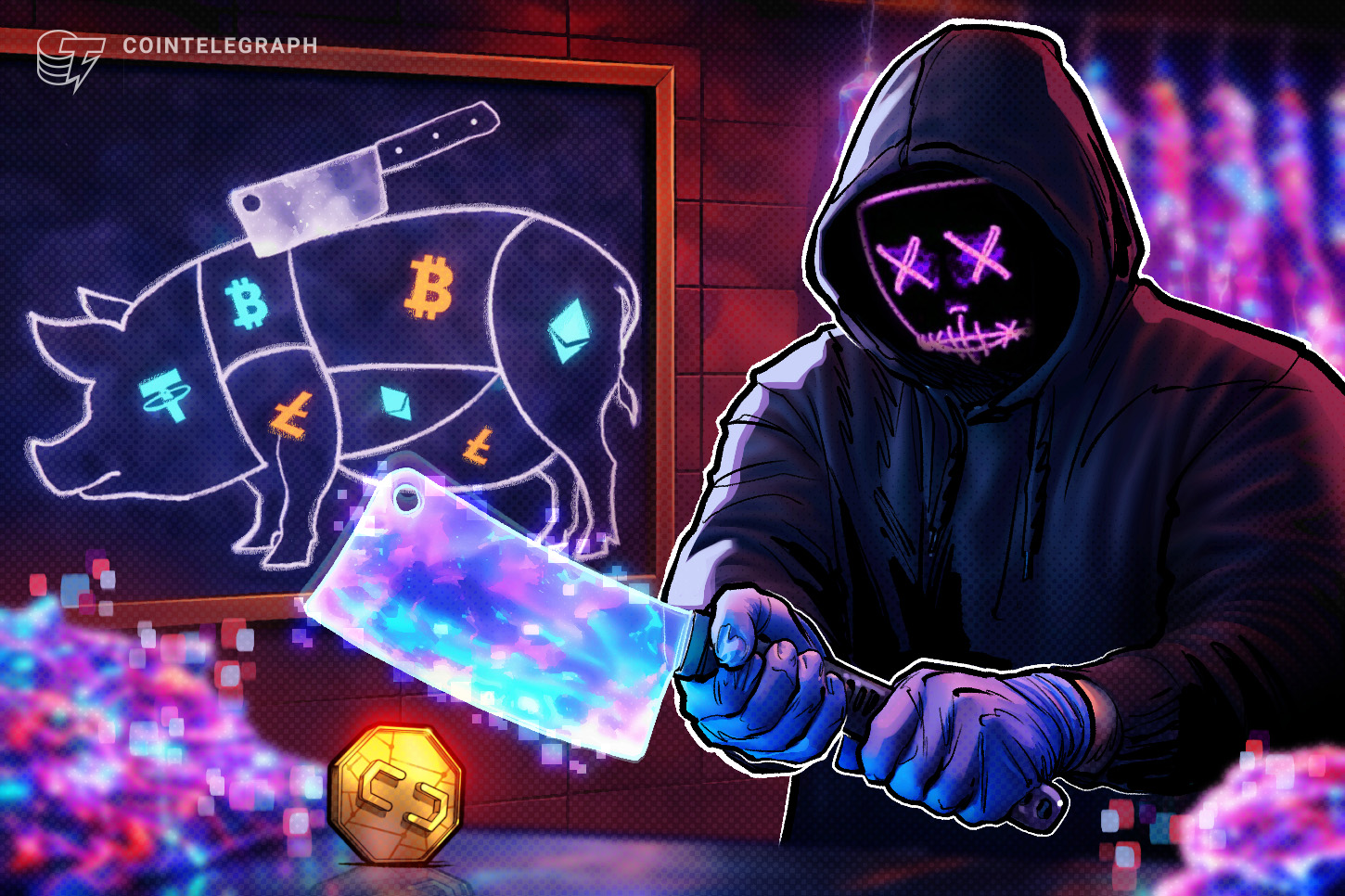
A group of Thai businessmen has filed a lawsuit against Tether, the issuer of the world’s largest stablecoin, challenging its authority to freeze $42 million in USDT. The funds are allegedly part of a $61 million 'pig butchering' scam—a type of long-term fraud where scammers build trust with victims before stealing their investments. While the plaintiffs have not disputed their involvement in the underlying activities, their legal challenge focuses entirely on whether Tether, as a private entity, has the jurisdictional right to seize or freeze assets without a direct mandate from local Thai authorities.
This case brings the centralized nature of Tether into sharp focus, highlighting the 'god mode' capabilities built into the USDT smart contract. Tether has long positioned itself as a cooperative partner to international law enforcement, frequently freezing wallets at the request of agencies like the FBI and DOJ to combat money laundering and terrorism financing. However, this lawsuit suggests that in some jurisdictions, the company’s proactive compliance efforts may be viewed as an overreach of private corporate power that bypasses due process.
For US-based crypto users and institutional investors, the outcome of this litigation is significant because it addresses the legal risks of holding centralized stablecoins. If a court rules that Tether cannot freeze funds without specific local judicial oversight, it could complicate how the company responds to global crime and might lead to increased regulatory scrutiny from US lawmakers who demand strict anti-money laundering controls. A victory for Tether, however, would reinforce the company's ability to police its own network across international borders.
Moving forward, market participants should monitor the Thai court's decision and any subsequent appeals, as this could set a precedent for how other stablecoin issuers like Circle (USDC) operate in foreign markets. Furthermore, the case may influence the development of the Lummis-Gillibrand Payment Stablecoin Act in the US, particularly regarding the rights of issuers to freeze assets. Investors should watch for any changes in Tether’s terms of service that might clarify their authority in the wake of this legal challenge.