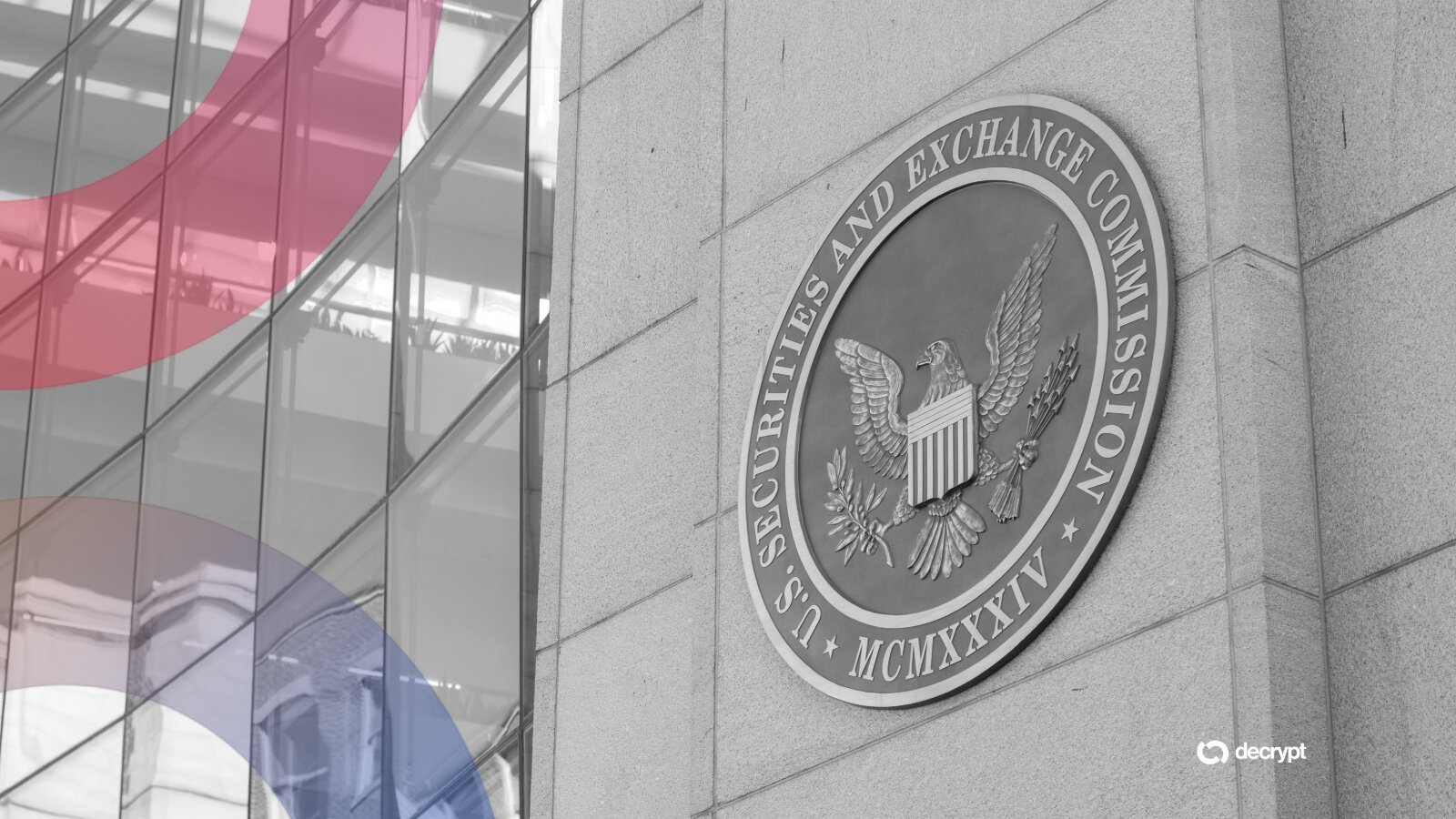
The SEC’s proposed overhaul of transfer agent regulations, the first significant update in four decades, introduces specific reporting requirements for distributed ledger technology (DLT). Under the proposed updates to Form TA-2, transfer agents would be required to explicitly disclose whether they maintain share registers on a blockchain or other distributed ledgers. This update signals the SEC's formal recognition of asset tokenization as an emerging and permanent component of the US financial infrastructure.
Transfer agents play a critical role in the traditional stock market by tracking who owns a company's shares and managing dividend payments. For 40 years, the rules governing these entities have remained largely static, failing to account for the shift toward digital assets. By citing tokenization as a primary catalyst for these changes, the SEC is attempting to gain visibility into how private and public securities are being issued and managed using decentralized or distributed databases.
This move is part of a broader regulatory push to integrate traditional finance (TradFi) with digital asset technology. While the SEC has frequently been criticized for a "regulation by enforcement" approach toward crypto, this proposal represents a more formal, administrative effort to define how blockchain technology fits into existing market structures. It places the burden of transparency on the intermediaries who bridge the gap between legacy stock systems and tokenized assets.
For investors and issuers, this regulatory clarity could eventually pave the way for wider adoption of Security Token Offerings (STOs) and the tokenization of Real World Assets (RWAs). If transfer agents have a clear framework for reporting DLT-based registers, institutional players may feel more confident moving traditional securities onto public blockchains or specialized private ledgers. Such transparency is intended to mitigate risks related to the custody and verification of digital share ownership.
Moving forward, market participants should watch for the public comment period results and the final implementation of the revised Form TA-2. The specific wording of the new questions will determine how strictly the SEC intends to monitor the interplay between crypto technology and the US capital markets. Investors should also monitor whether this leads to a surge in formal partnerships between legacy transfer agents and blockchain infrastructure providers.