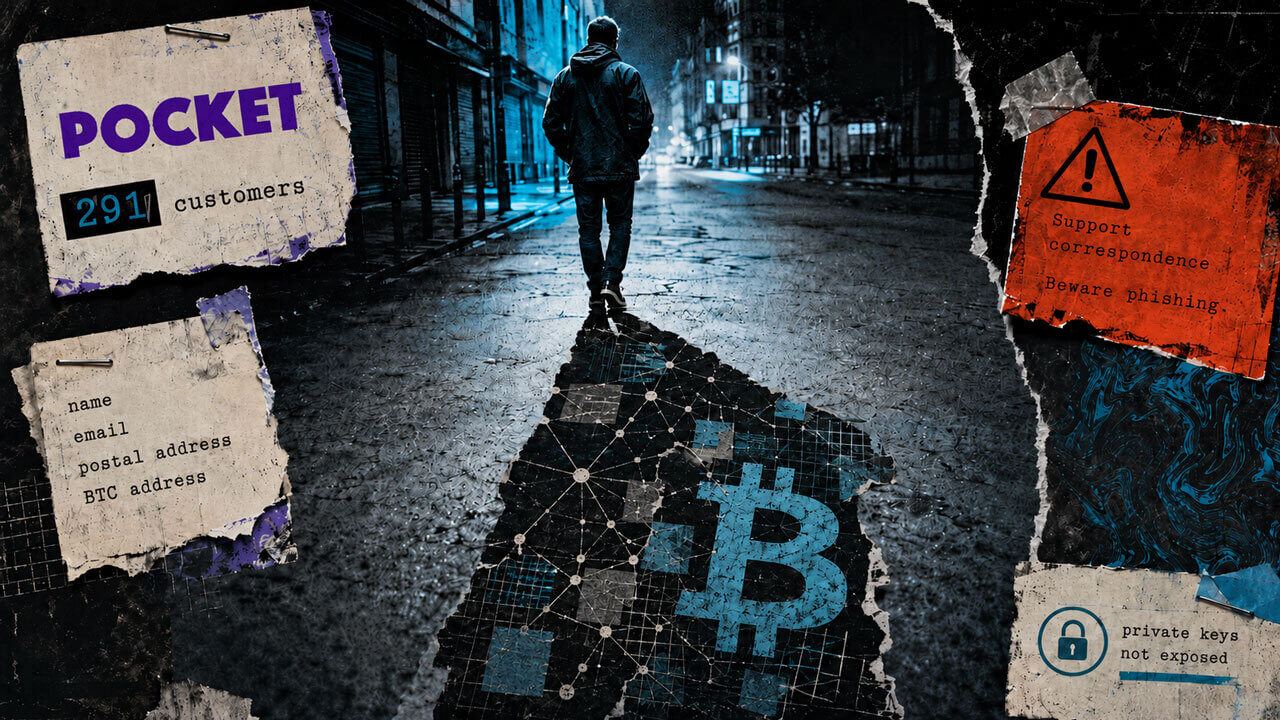
The identities of 291 cryptocurrency users were exposed after leaked compliance and support records matched their legal names and geographic locations to specific wallet activity. This breach effectively de-anonymized the affected individuals by creating a direct link between their private financial behavior on the blockchain and their real-world identities. It is important to note that the leak was confined to identity and compliance data; no private keys were compromised, and all customer funds remain safe within their respective wallets.
The records appear to have been exfiltrated from a customer support or compliance database rather than a direct exploit of a blockchain network. These databases are often required by regulators to fulfill Know Your Customer (KYC) and Anti-Money Laundering (AML) mandates. However, the centralization of this sensitive information creates a significant security risk, as a single point of failure can lead to the permanent exposure of a user's entire financial history, which is otherwise obfuscated on public ledgers.
From a regulatory perspective, this incident underscores the growing tension between government-mandated data collection and user privacy. In the United States, the Treasury and other agencies have pushed for stricter reporting requirements for digital asset service providers. While these rules aim to curb illicit finance, this leak demonstrates that the massive 'honeypots' of personal data generated by such regulations are prime targets for hackers and accidental disclosure, potentially putting law-abiding citizens at risk of targeted phishing or physical threats.
For the broader crypto market, this event serves as a stark reminder of the limitations of exchange-based privacy. As the industry matures, investors should expect increased scrutiny of how centralized platforms handle and protect KYC data. The breach may also accelerate the adoption of decentralized identity (DID) solutions and zero-knowledge proofs, which allow users to prove their identity for compliance purposes without forcing them to hand over sensitive personal records to vulnerable third-party databases.