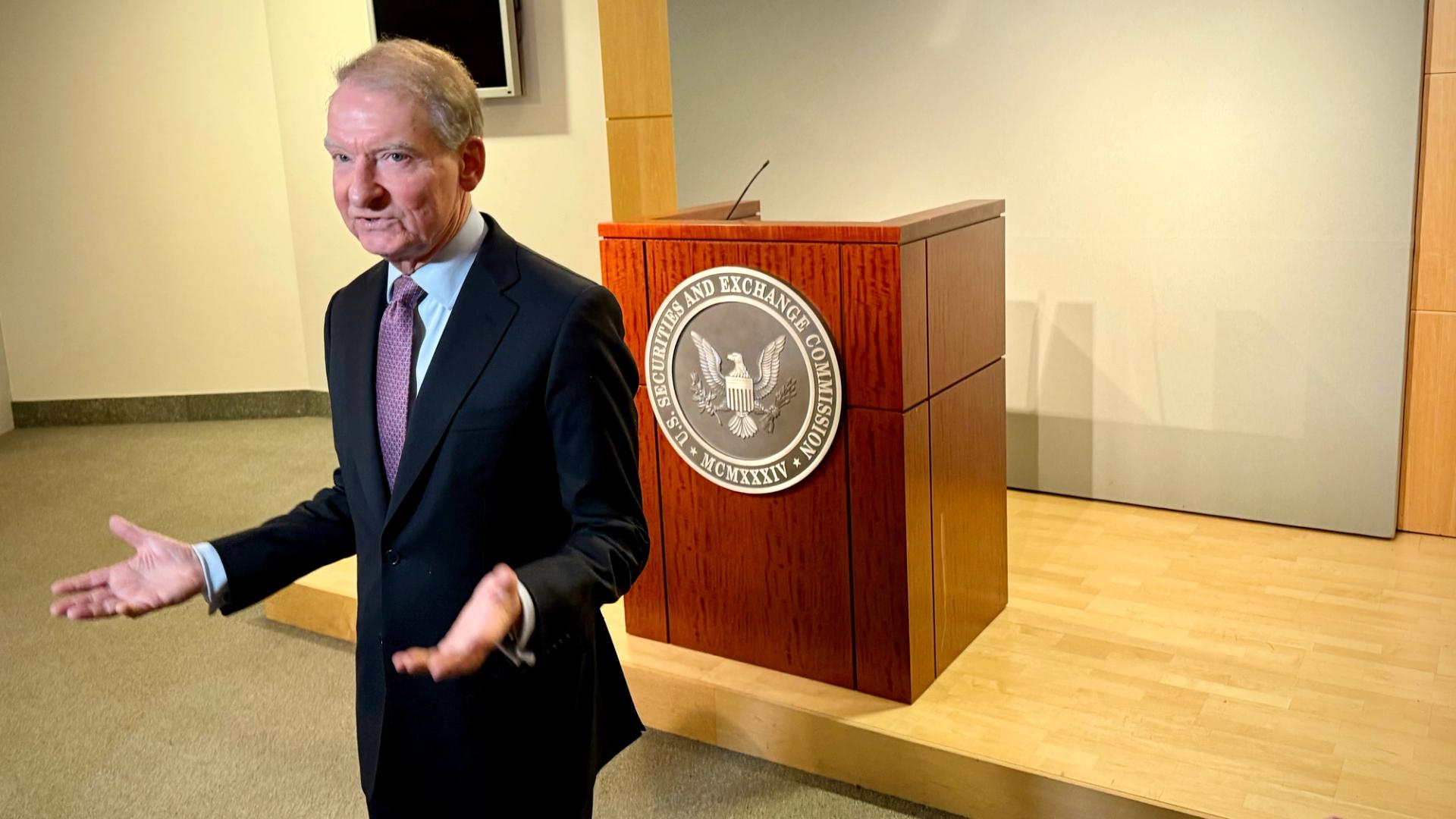
The U.S. Securities and Exchange Commission (SEC) has proposed a new transfer agent rule that directly addresses the use of blockchain technology for maintaining ownership records. By updating these rules, the SEC is creating a regulatory framework for how entities track the issuance and transfer of securities using distributed ledger technology (DLT). This is a critical development for the crypto industry, as it provides a clearer legal path for the tokenization of real-world assets (RWAs) like stocks and bonds on public or private blockchains.
In tandem with this proposal, the SEC scheduled a roundtable to discuss the feasibility of 24/7 trading in U.S. capital markets. Currently, traditional markets operate on a restricted 9:30 AM to 4:00 PM ET schedule, while the cryptocurrency market never closes. The SEC's agenda focuses on the technical and regulatory adjustments needed to support round-the-clock operations, a shift that would likely require the speed and transparency of blockchain settlement to function efficiently at scale.
This regulatory shift occurs as traditional finance (TradFi) institutions increasingly demand faster settlement times and lower operational costs. By formalizing the role of blockchain in transfer agency functions, the SEC is acknowledging that the current T+1 or T+2 settlement cycles are outdated. If the proposal is adopted, it could eliminate the need for centralized intermediaries in certain parts of the settlement process, allowing for the near-instantaneous transfer of ownership that blockchain enthusiasts have long advocated for.
For the digital asset market, this signal from the SEC suggests a move toward convergence between crypto infrastructure and traditional finance. However, the path forward remains complex; the SEC must balance the efficiency of blockchain with strict requirements for investor protection and market integrity. Readers should watch the upcoming roundtable closely, as the feedback from participants will likely dictate the speed at which 24/7 trading and blockchain-based settlement become a reality in the United States.