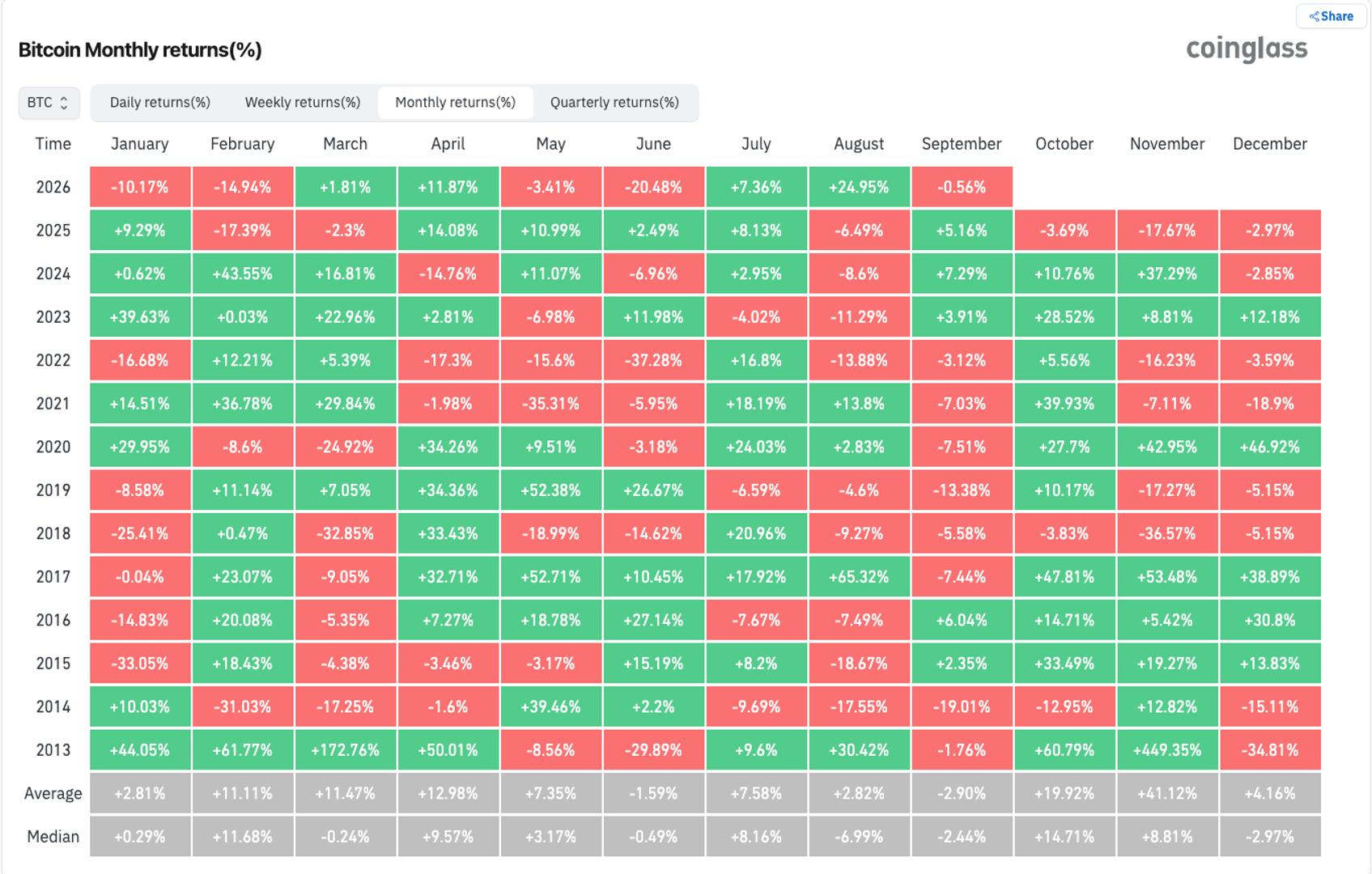
Bitcoin's price performance is currently under threat from the convergence of a historically negative seasonal trend and renewed macroeconomic uncertainty regarding the Federal Reserve's interest rate policy. Historically, September has been the weakest month for Bitcoin and broader risk assets, frequently resulting in monthly losses. This 'Rektember' effect is now being compounded by the risk of further rate hikes or a prolonged period of high interest rates, which traditionally draws liquidity away from volatile assets like cryptocurrency and into safer, yield-bearing alternatives.
The seasonal slump is often attributed to institutional portfolio rebalancing and a general decrease in market liquidity as the summer ends. However, the current environment is unique because the Federal Reserve's battle against inflation remains a primary driver of market sentiment. If the Fed signals a hawkish stance to combat persistent price pressures, the resulting increase in the cost of borrowing could derail the recovery momentum Bitcoin established earlier in the year.
For crypto participants, this means preparing for a period of heightened price swings. The combination of historical data and current monetary policy creates a challenging environment for bulls attempting to push Bitcoin toward new yearly highs. A failure to maintain support levels during this month could trigger wider sell-offs across the digital asset ecosystem as investors pivot toward risk-off strategies.
Moving forward, market watchers should keep a close eye on the upcoming Federal Open Market Committee (FOMC) statements and Consumer Price Index (CPI) data releases. These events will serve as critical indicators of the Fed's next move. While the historical 'Rektember' trend is a strong signal, a shift toward a more dovish monetary policy could be the catalyst needed for Bitcoin to break its seasonal curse and resume its upward trajectory.