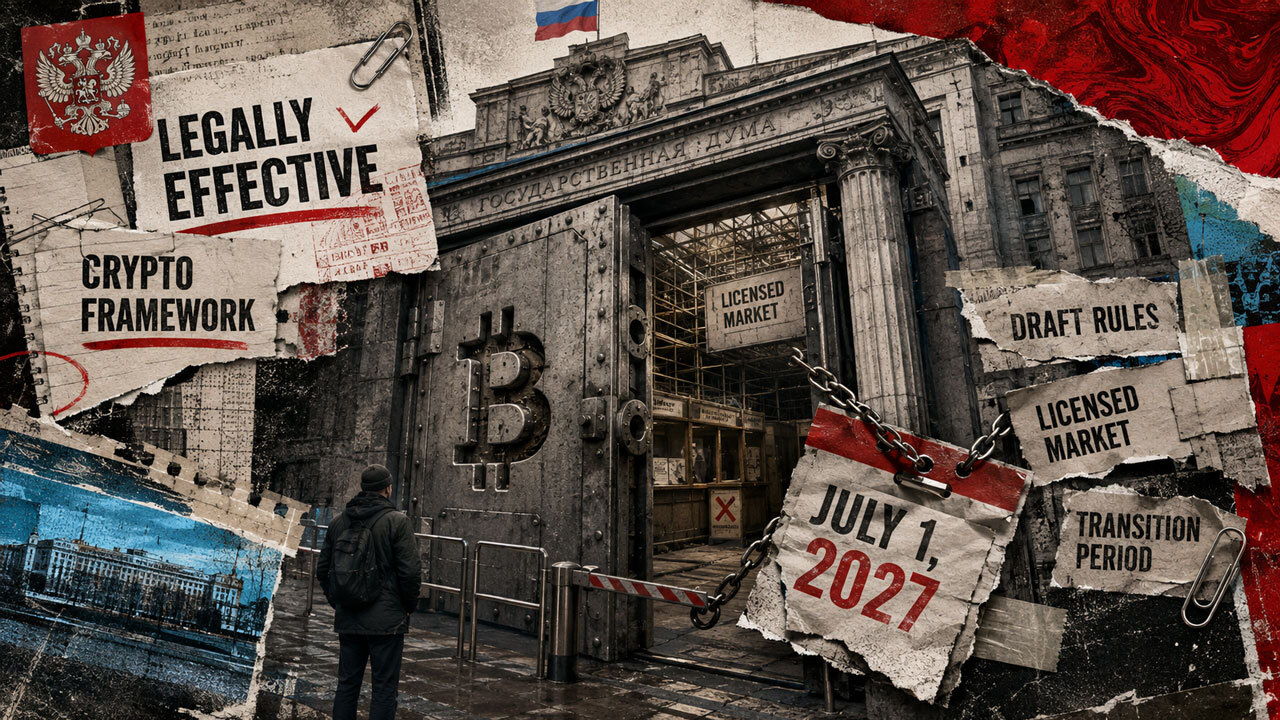
Russia’s new legislation, which took effect on September 1, allows the Bank of Russia to oversee a regulatory sandbox for using digital currencies in cross-border trade. The law is a direct response to Western sanctions that have largely cut the country off from the SWIFT international banking system. By legalizing crypto for trade payments, Moscow aims to create a workaround for paying foreign suppliers and receiving payments for exports without relying on traditional dollar-dominated rails.
Despite the 'on' switch being flipped, the market is not yet fully functional for the average participant. The legal framework is currently limited by draft rules and a phased implementation strategy. The Russian central bank holds significant discretionary power over which entities can participate in these initial pilots, meaning the 'market' currently resembles a series of controlled experiments rather than a decentralized trading environment.
Political and geopolitical pressures are the primary drivers behind this sudden regulatory shift. The Kremlin views digital assets as a tool for economic survival, but remains cautious about allowing crypto to circulate freely within its domestic economy. The July 2027 deadline serves as a transition period, giving the government time to build out domestic exchange infrastructure and monitoring tools to prevent unauthorized capital flight.
For the global crypto market, this move highlights a growing trend of nation-states utilizing Bitcoin and stablecoins for state-level utility rather than retail speculation. However, U.S.-focused investors should be aware of the risks; the use of crypto to bypass sanctions could lead to increased scrutiny from the U.S. Treasury and potential secondary sanctions on international exchanges that facilitate Russian trade flows. The next key milestone will be the announcement of the first batch of authorized settlement operators under this new regime.