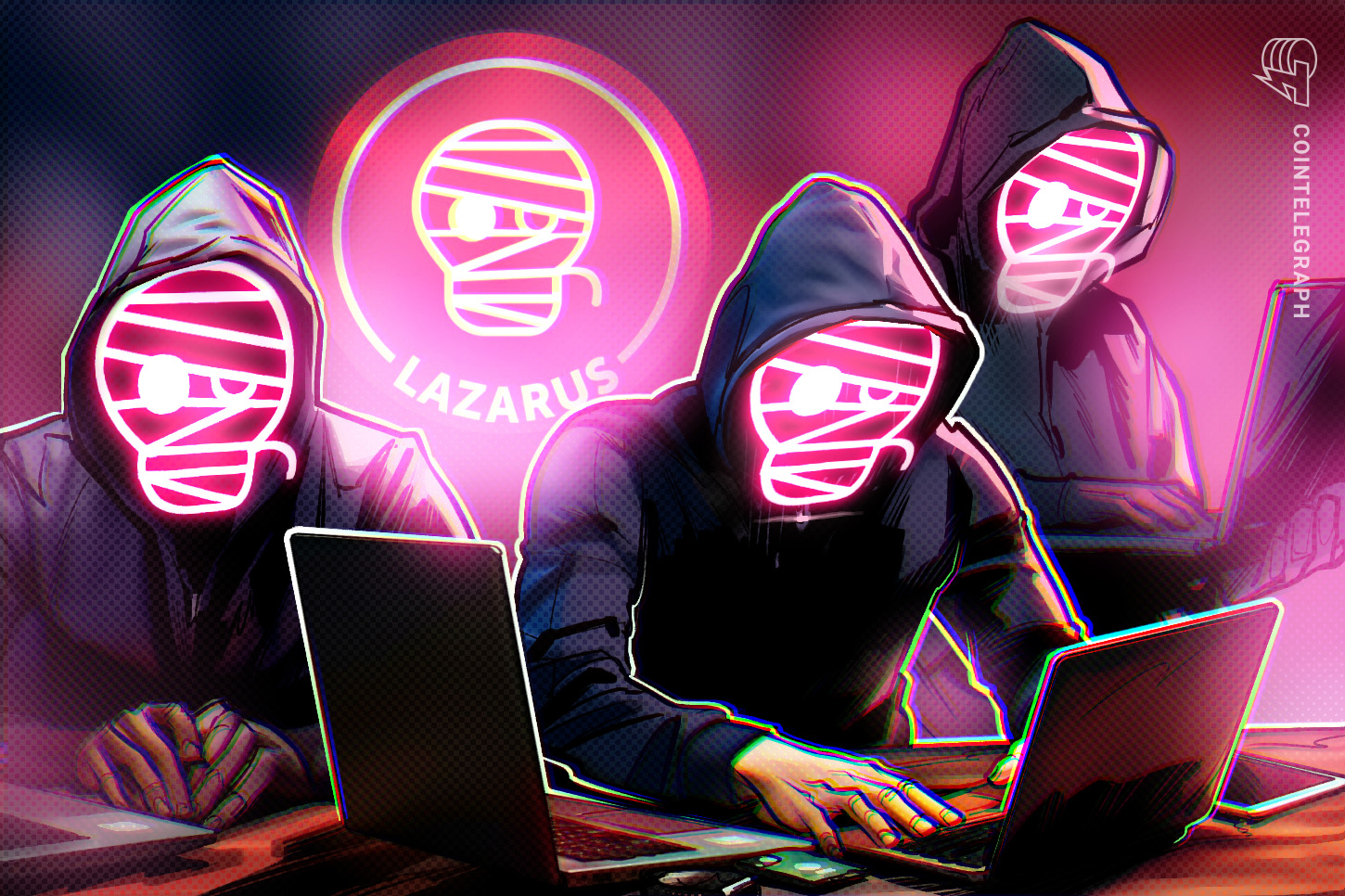
The North Korean-linked Lazarus Group recently moved $30 million through the Hyperliquid exchange, a development that is expected to stall the platform’s ongoing negotiations for entry into the U.S. market. Because the Lazarus Group is under strict OFAC sanctions, the use of Hyperliquid to facilitate these transfers highlights potential gaps in the protocol's anti-money laundering (AML) and know-your-customer (KYC) safeguards. This activity directly contradicts the compliance standards that U.S. regulators require for domestic financial licensing.
This security breach occurred just weeks after reports indicated that U.S. regulators were actively working on a regulatory framework to integrate Hyperliquid into the American financial system. The timing is particularly damaging, as it provides ammunition to critics who argue that decentralized exchanges (DEXs) lack the necessary controls to prevent state-sponsored cybercriminals from laundering stolen funds. The Lazarus Group has a long history of utilizing DeFi protocols to obfuscate the trail of assets stolen from various high-profile crypto exploits.
For U.S.-based crypto investors and DeFi developers, this event serves as a stark reminder of the mounting geopolitical pressure on the industry. The Treasury Department and the SEC have increasingly focused on 'gatekeeper' liability, suggesting that platforms—even decentralized ones—must take proactive steps to block sanctioned entities. If Hyperliquid is unable to demonstrate that it can effectively geofence and monitor suspicious activity, it risks total exclusion from the U.S. market and potential sanctions against the protocol itself.
Investors should closely monitor the Treasury’s Office of Foreign Assets Control (OFAC) for any new designations or advisories naming Hyperliquid. Furthermore, the exchange's response—specifically whether they implement more aggressive wallet screening or blacklisting—will be a key indicator of their future viability in regulated markets. A failure to address this $30 million transfer could lead to a broader crackdown on similar decentralized perpetual exchanges operating in the U.S. shadow market.