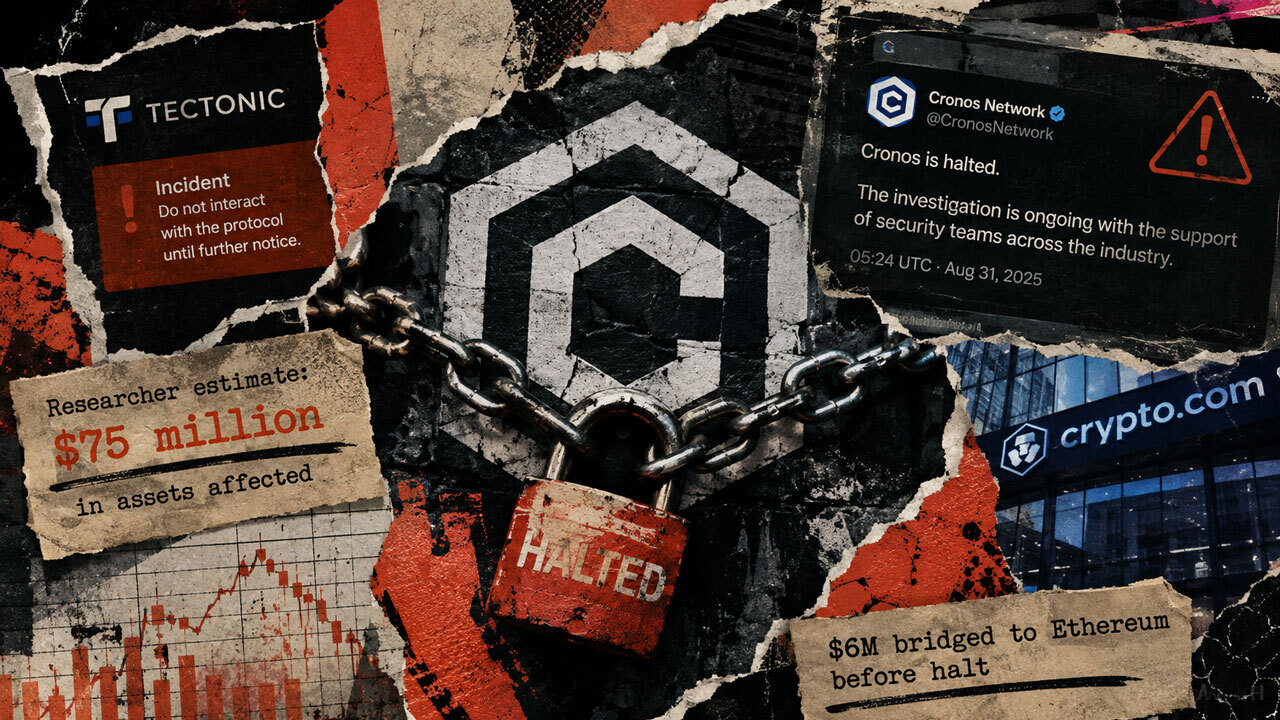
To contain a massive $75 million exploit targeting a lending protocol, Cronos validators took the unprecedented step of pausing the entire network and erasing transaction history. This aggressive intervention was designed to freeze the attacker's progress and ensure that the majority of the affected assets remained within the ecosystem rather than being bridged to other chains or mixed through privacy protocols. By rolling back the state of the blockchain, validators effectively neutralized the immediate threat, though at the cost of network uptime and temporary data integrity.
The exploit, which targeted a specific lending protocol on the Cronos chain, represents one of the largest security breaches in the ecosystem's history. The decision to erase transaction history suggests that the breach was caught in near real-time, allowing validators to coordinate a manual intervention. While this move saved tens of millions in user funds, it highlights the centralized nature of validator governance in newer EVM-compatible chains, where a small group can decide to halt all economic activity to mitigate losses.
For US-based investors and DeFi participants, this event serves as a stark reminder of the risks inherent in emerging smart contract platforms. The incident is likely to draw scrutiny from regulators who are increasingly focused on the security standards of DeFi protocols and the centralized 'kill switches' employed by blockchain validators. The fact that validators can erase history to stop a crime presents a complex legal and ethical dilemma regarding the immutability of blockchain technology.
Market implications are currently focused on the recovery of the network and the specific accounting of user balances. Until the network is back online and an official audit of the damage is released, the Cronos (CRO) token may experience heightened volatility and decreased liquidity. Traders are closely monitoring the chain's status to see if the 'erased' history creates discrepancies in wallet balances or smart contract states once the ledger resumes.
Moving forward, users should watch for the official restart timetable from the Cronos team and a comprehensive post-mortem report. The focus will be on whether the lending protocol can recover its lost liquidity and what security upgrades will be implemented to prevent similar exploits. This event will likely accelerate the adoption of more robust monitoring tools for validators to catch malicious activity without requiring a full network shutdown.